Grand Egyptian Museum Unveiled as Torre dei Conti Collapses in Rome: A Weekly Architectural Overview
This week's architectural highlights explore the interplay between cultural heritage, environmental awareness, and modern design practices. As the 19th Venice Architecture Biennale nears its conclusion, projects focusing on collaborative intelligence and material innovation are presented.
In-depth analysis
Current environmental changes
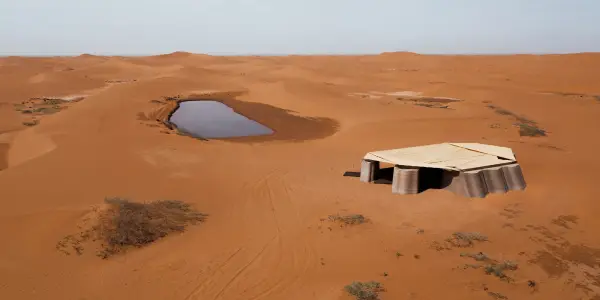
Recent architectural initiatives are increasingly focusing on sustainability, as seen at the Venice Architecture Biennale, where themes of climate awareness are central. Projects like 'Desert Ark' in China exemplify low-impact construction methods tailored for extreme environments, showcasing how design can adapt to ecological challenges while promoting conservation efforts.
Impact on society
These architectural advancements are reshaping public spaces and cultural narratives, fostering a deeper connection between communities and their heritage. By integrating educational facilities, they enhance public understanding of history and environmental stewardship.
Policy implications
The emergence of sustainable architectural projects emphasizes the need for policies that support innovative design and heritage preservation. Governments must prioritize funding and regulations that encourage environmentally responsible practices, ensuring that new developments harmonize with cultural and ecological contexts.
Future outlook
As architectural practices evolve, a stronger emphasis on sustainability and cultural integration is expected. This shift will likely influence future projects, driving innovation in design while addressing pressing global challenges related to climate change and heritage conservation.
Did you know?
Why this concerns all of us
The Grand Egyptian Museum and other architectural projects highlight how cultural heritage shapes our identity and community. With climate change affecting global landscapes, these initiatives remind us that preserving history and adapting to modern needs can coexist. As cities evolve, these spaces will impact local economies, tourism, and education, making heritage accessible and relevant for future generations.
Nature's hidden secret
In Egypt's arid climate, the ancient Egyptians ingeniously used natural air currents to cool their homes, a technique that predates modern air conditioning by millennia. This understanding of passive cooling is a testament to their architectural ingenuity and offers insights into sustainable design practices today.
The person whose life climate changed
Nadia El-Sayed, a 34-year-old archaeologist from Cairo, has dedicated her life to uncovering Egypt's past. With the Grand Egyptian Museum opening, she feels a renewed sense of purpose. The museum represents a dream realized, not just for her but for future generations to understand their heritage. Nadia believes that the museum will inspire local youth to appreciate and protect their history, especially as climate change threatens archaeological sites. She hopes to see more young people engaged in conservation efforts, bridging the gap between past and present.

Doom's Programming Error Sparks Renewed Interest...

UK Prepares for Cold Snap with Snow Forecasts...

Cate Blanchett Joins Festive Guest Editors for...

Emerging Superfoods from the Amazon: Beyond Açaí

The Emerging Debate on Geoengineering: A Call for...

Breakthrough Research Unveils Thermal Convection...

Scientists Warn Earth Has Reached Critical...

Marvel Gears Up for a Major Avengers Event:...

The Rapid Intensification of Hurricane Melissa...

Revisiting India's Air Quality Standards Amid...

Meta Enhances Smart Glasses with Garmin and...
The Overlooked Link Between Climate Change and...

Unexpected Shift in North Pacific Storm Track...
Unprecedented Strength of Hurricane Melissa Marks...

New Mapping of Antarctica's Subglacial Landscape...
Revolutionizing Ocean Research: Robotic Floats...

Hurricane Melissa's Death Toll Reaches 28 in...

Pacific Nations Set Ambitious Goal for 100%...
Key Outcomes from COP30: Innovations in...

Exploring the Depths of Human Connection: Ursula...

New Report Highlights Risks of Marine Carbon...

Research Uncovers Factors Behind Weight Gain...

Antarctic Robot Explorer Surfaces After Eight...

Palantir's CEO Alex Karp Defends Company’s...

Navigating Climate Distress Amid Brain Injury...

Golden Hare from Iconic Treasure Hunt Fetches...

Tragic Cargo Plane Crash in Kentucky Claims Lives...

Massive Leak Exposes 183 Million Email Passwords:...

Impact of Global Warming on Reptile Sex Ratios...
Ancient Tools Illuminate Early Human Innovation...
The Resilient Desert Flora Thrives in Extreme...

Experts Caution Against Solar Geoengineering:...

Chronic Diseases in Animals Mirror Human Health...

Japanese Trade Group, Including Studio Ghibli,...

The Crucible: A Test of Nerves in Snooker's Most...

Top Five Books Exploring the Intersection of...
Trump's Environmental Policies Could Lead to 1.3...

Key Insights on the Future of Electricity Demand...
Zaha Hadid Architects' Yidan Center Reaches...

Hurricane Melissa Marks a Historic Category 5...