Ancient Tools Illuminate Early Human Innovation Over Millennia
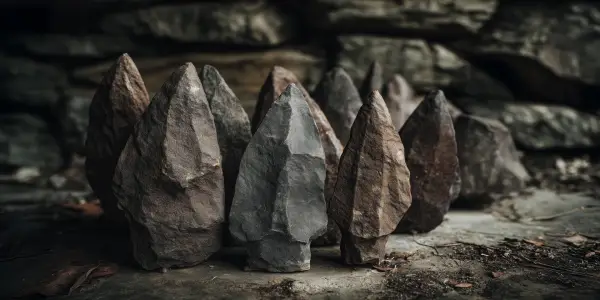
A groundbreaking study reveals that early humans in Kenya developed and maintained stone tool traditions for nearly 300,000 years, showcasing remarkable adaptability amid extreme climate fluctuations.
In-depth analysis
Current environmental changes
The archaeological site at Namorotukunan reveals significant climatic shifts that occurred between 2.75 and 2.44 million years ago. During this period, early hominins adapted to extreme environmental changes, including severe droughts and wildfires, transitioning from lush wetlands to arid grasslands. These conditions shaped both their survival strategies and toolmaking practices.
Impact on society
The discovery emphasizes the historical resilience of early humans, illustrating how they not only survived but thrived amid environmental upheaval. This adaptability highlights the foundational role of innovation in human evolution and informs contemporary understandings of human behavior.
Policy implications
The findings suggest a need for policies that promote interdisciplinary research in archaeology and climate science. Understanding ancient human adaptability can inform modern responses to environmental challenges, emphasizing the importance of resilience in both past and present contexts.
Future outlook
As research continues, further exploration of similar sites may uncover additional insights into early human adaptation. This could enhance our understanding of human evolution and inform strategies for addressing contemporary environmental issues.
Did you know?
Why this concerns all of us
The discovery at Namorotukunan reveals how early humans confronted environmental crises, a lesson that resonates today. As climate change accelerates, understanding our ancestors' adaptability can inspire modern resilience. Their ability to innovate amidst adversity mirrors the challenges we face with shifting ecosystems, urging us to find sustainable solutions to thrive in our changing world.
Nature's hidden secret
Around 2.5 million years ago, early humans crafted the first multi-purpose tools, known as Oldowan tools, during a period marked by extreme climate fluctuations. This innovation not only reflects their survival instincts but also highlights their cognitive abilities, showcasing an early form of problem-solving that laid the groundwork for future technological advancements.
The person whose life climate changed
Meet Kwame, a 32-year-old Kenyan conservationist living near the Turkana Basin. He grew up hearing stories of early humans from his grandmother, who often spoke of their incredible adaptability. Inspired by these tales, Kwame has dedicated his life to protecting the environment and educating others about climate resilience. The discovery at Namorotukunan strikes a personal chord for him; it serves as a reminder that humanity's history is filled with lessons about survival and innovation. As he leads community workshops on sustainable practices, Kwame reflects on how understanding our past can empower future generations to face climate challenges head-on, just as our ancestors did.

MindsEye Developers Criticize Leadership Over...

Brian Greene to Host Inaugural Global Space...

Peaky Blinders: A Catalyst for West Midlands...
Ancient Tools Illuminate Early Human Innovation...

The Rapid Intensification of Hurricane Melissa...

Revitalizing Wellness at Fairmont Chateau Lake...
Preserving Modern Jewelry and Vintage Heirlooms:...
New Report Indicates Coral Reefs May Have Reached...

Augusta Township Residents Mobilize Against...

Residential ZIP Codes Linked to Increased...

New Lancet Report Reveals Alarming Impact of...

Sex Workers Launch 'Anti-OnlyFans' Platform to...

Introducing the Clamshell Writer Deck: A Focused...
The Deadly Impact of Plastic Ingestion on Marine...

Public Outcry Grows Over Severe Air Pollution in...

Massive Leak Exposes 183 Million Email Passwords:...

Protests and Food Safety Concerns Challenge...

Council of Europe Chief Signals Openness to...

Can New Alcohol Warning Labels Shift Ireland's...

Navigating Climate Distress Amid Brain Injury...

Conspiracy Theories Divert Attention from Genuine...

Puffins Make Historic Return to Isle of Muck...

Pacific Nations Set Ambitious Goal for 100%...

Perrier-Jouët and Design Miami Launch Inaugural...

The Impact of US Withdrawal on Global Climate...

Exploring India's Innovative Eco-Retreat Crafted...

Green Turtle Sees Significant Recovery Thanks to...
Unprecedented Strength of Hurricane Melissa Marks...

Foldable Phones on the Rise: 2026 Expected to...

California's Proposition 50: Voters Set to...

AI Unveils Hidden Lion Roar, Revolutionizing...

Urgent Action Needed as Scientists Warn of...

New Report Reveals Fossil Fuel Connections Among...

Key Insights Ahead of COP30 Summit in Brazil: A...

Rikako Nagashima's Wool Calendars Highlight...

Bill Gates's Climate Remarks Spark Controversy...

New Report Highlights Risks of Marine Carbon...

Exploring Climate Change Through Sound: The Role...

U.S. Fish and Wildlife Service's Plan to Cull...

Joe Swash Opens Up About the Challenges of Being...