Impact of Earthquakes on Microbial Life Beneath Yellowstone Explored
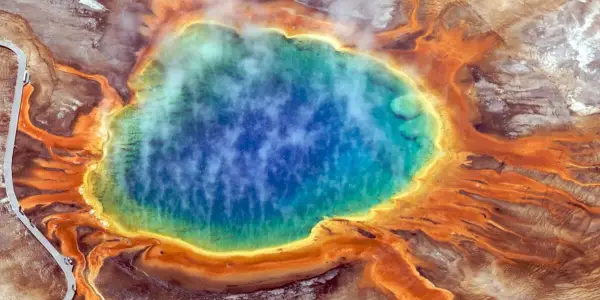
A new study reveals how earthquakes affect microbial ecosystems beneath Yellowstone, highlighting their resilience and adaptability in extreme underground en...
In-depth analysis
Current environmental changes
Recent research highlights the dynamic interplay between seismic activity and microbial ecosystems in Yellowstone National Park. Minor earthquakes can alter subsurface chemical environments, enhancing the availability of essential nutrients and substrates. This study reveals that such geological events can significantly influence microbial life, challenging previous notions of stability in these extreme habitats.
Impact on society
The findings underscore the interconnectedness of geological processes and biological communities, emphasizing the need for a deeper understanding of ecosystem resilience. This knowledge could inform conservation efforts and enhance our approach to managing natural resources.
Policy implications
Policymakers may need to consider the implications of geological activity on ecosystems when developing environmental regulations. Understanding how seismic events impact microbial life can guide conservation strategies, especially in protected areas like national parks, ensuring the preservation of these unique biological communities.
Future outlook
This research opens new avenues for exploring life in extreme environments, both on Earth and potentially on other celestial bodies. Continued study of microbial responses to seismic activity could enhance our understanding of life's adaptability and inform astrobiological research.
Did you know?
Why this concerns all of us
The intricate relationship between seismic activity and microbial ecosystems at Yellowstone reveals how interconnected our planet's systems are. Understanding these dynamics is crucial, as they may influence everything from climate regulation to nutrient cycling. Such insights can help shape policies on environmental conservation and inform our approach to managing natural disasters, ultimately affecting food security and water quality in our communities.
Nature's hidden secret
Microbial life deep beneath Yellowstone can survive in complete darkness, relying on chemical reactions for energy rather than sunlight. This resilience allows them to thrive even in extreme temperatures and pressures, making them a key component of the ecosystem's underground food web.
The person whose life climate changed
Meet Sarah, a park ranger at Yellowstone who has dedicated her career to studying the park's unique geology. When she first noticed shifts in microbial populations following a minor earthquake, she felt a profound connection to the land. For Sarah, these microbes are not just data points; they represent the resilience of life in the face of adversity. As she shares this knowledge with visitors, she emphasizes that understanding these ecosystems is essential for preserving the park's future. The implications extend beyond Yellowstone, inspiring her to advocate for the protection of similar habitats worldwide, as they could hold clues to life beyond Earth.

AI's Water Consumption May Soon Match That of 10...
Global Climate Action in the Absence of the US: A...

Doom's Programming Error Sparks Renewed Interest...

Foldable Phones on the Rise: 2026 Expected to...

Spring Studio Integrates Biomaterials for...
Understanding the Urgency of Climate Change: Key...

OpenAI Introduces 'Group Chats' Feature in...

Research Uncovers Factors Behind Weight Gain...
Impact of Global Warming on Reptile Sex Ratios...
Lawsuit Alleges Tesla Wrongfully Terminated Deaf...

Joe Swash Opens Up About the Challenges of Being...
The Overlooked Link Between Climate Change and...
Projected Plastic Waste to Exceed 280 Million...
Revival of Wild Turkeys: A Conservation Triumph...

South Africa's G20 Agenda: Addressing Debt,...
The Economic Risks of Abruptly Halting Solar...

Teachers' Unions Take a Stand Against Climate...
Comprehensive 3D Map Showcases Every Building on...

Council of Europe Chief Signals Openness to...
Bill Gates's Climate Remarks Spark Controversy...

Zaha Hadid Architects' Yidan Center Reaches...
Accelerating Climate Impacts Could Lead to...
U.S. Fish and Wildlife Service's Plan to Cull...

New Lancet Report Reveals Alarming Impact of...
Pacific Nations Set Ambitious Goal for 100%...

Pipeline Dispute Challenges Canada's Energy...
Unexpected Shift in North Pacific Storm Track...

Emerging Superfoods from the Amazon: Beyond Açaí

Tehran on the Brink: Water Crisis Highlights...
Hurricane Melissa's Death Toll Reaches 28 in...
Global Rice Yields Plummet Due to Extreme...
Key Insights Ahead of COP30 Summit in Brazil: A...

AI Unveils Hidden Lion Roar, Revolutionizing...

Cate Blanchett Joins Festive Guest Editors for...

Top Five Books Exploring the Intersection of...

KDE Plans to Phase Out X11 Support in Upcoming...
Fisher Makes Historic Return to Ohio Forests...

Guide to Setting Up and Customizing Gemini Raise...
Japanese Trade Group, Including Studio Ghibli,...