Reducing Microplastic Inhalation in Your Home Environment
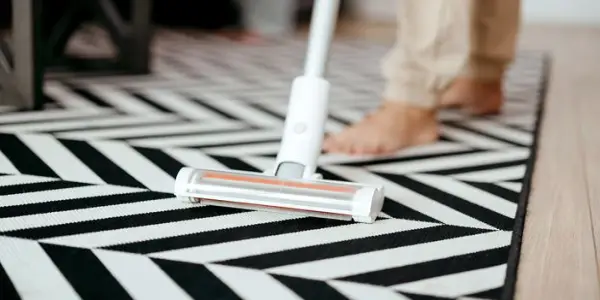
Microplastics are prevalent in indoor air, and adopting certain practices can significantly minimize our exposure to these tiny pollutants.
In-depth analysis
Current environmental changes
Microplastics have increasingly infiltrated indoor environments, primarily due to the widespread use of synthetic fabrics in clothing. Studies reveal that these tiny particles are released during everyday activities, such as washing and wearing garments, leading to significant airborne microplastic levels within homes. This environmental shift poses serious implications for air quality and public health.
Impact on society
The pervasive presence of microplastics in indoor air raises significant health concerns, particularly respiratory issues. As awareness grows, individuals are becoming more conscious of their exposure, prompting a societal shift towards healthier living practices.
Policy implications
Addressing microplastic pollution requires comprehensive policy measures focused on regulating synthetic fabric production and promoting sustainable alternatives. Governments may need to implement stricter guidelines for textile manufacturing and encourage public education campaigns to mitigate indoor air contamination.
Future outlook
The ongoing research into microplastics suggests that their impact on health and the environment will continue to be a critical area of focus. Future strategies will likely emphasize innovation in materials and increased public awareness to reduce exposure and improve indoor air quality.
Did you know?
Why this concerns all of us
Microplastics infiltrate our everyday environments, impacting health in ways many may not realize. With individuals potentially inhaling millions of microplastic particles annually, these pollutants can affect respiratory health and overall well-being. The clothing we wear contributes to this issue, highlighting the need for conscious consumer choices. Addressing microplastic exposure isn't just an environmental issue; it directly influences public health and quality of life.
Nature's hidden secret
Did you know that microplastics have been found in human blood? Recent research shows that these tiny particles can travel through the bloodstream, raising concerns about their potential effects on organs and overall health. This discovery underscores the urgent need to address microplastic pollution, as they infiltrate not just our environment but also our bodies.
The person whose life climate changed
Meet Clara, a dedicated nurse living in a bustling city. After years of noticing persistent respiratory issues among her patients, she began investigating possible causes. Her research led to shocking findings about microplastics in indoor air. Clara made it her mission to educate her community about the health risks linked to synthetic clothing and indoor pollution. Now, she advocates for natural fibers and better indoor air quality, transforming her home and workplace into safer environments. Clara’s experience illustrates the profound impact of microplastics on personal and public health, motivating her to inspire others to take action.
Expert Commentary

Exploring Climate Change Through Sound: The Role...

The Resilient Desert Flora Thrives in Extreme...

Advocating for Forest Sovereignty: A Call for...

Accelerating Climate Impacts Could Lead to...


Teachers' Unions Take a Stand Against Climate...

Key Outcomes from COP30: Innovations in...

Hurricanes and Droughts: A Dangerous Connection...

Global Climate Action in the Absence of the US: A...

Lawsuit Alleges Tesla Wrongfully Terminated Deaf...

Revisiting India's Air Quality Standards Amid...

Doom's Programming Error Sparks Renewed Interest...

New Report Highlights Risks of Marine Carbon...

Chronic Diseases in Animals Mirror Human Health...

The Overlooked Link Between Climate Change and...
Revolutionizing Ocean Research: Robotic Floats...

Foldable Phones on the Rise: 2026 Expected to...

Puffins Make Historic Return to Isle of Muck...

Decline in Indian Passport Ranking Despite...
The Rapid Intensification of Hurricane Melissa...

Pacific Nations Set Ambitious Goal for 100%...

Revitalizing Wellness at Fairmont Chateau Lake...

Hurricane Melissa Marks a Historic Category 5...

Golden Hare from Iconic Treasure Hunt Fetches...

Key Insights on the Future of Electricity Demand...

Tragic Cargo Plane Crash in Kentucky Claims Lives...

Council of Europe Chief Signals Openness to...

Palantir's CEO Alex Karp Defends Company’s...

Fisher Makes Historic Return to Ohio Forests...

Guide to Setting Up and Customizing Gemini Raise...

UK Prepares for Cold Snap with Snow Forecasts...


Understanding the Urgency of Climate Change: Key...

Unexpected Shift in North Pacific Storm Track...

Emerging Superfoods from the Amazon: Beyond Açaí
Projected Plastic Waste to Exceed 280 Million...

Revival of Wild Turkeys: A Conservation Triumph...

Urgent Action Needed as Scientists Warn of...

Trump's Environmental Policies Could Lead to 1.3...