Florida Cold Snap Leads to Surge in Iguana Removals as Thousands Are Collected
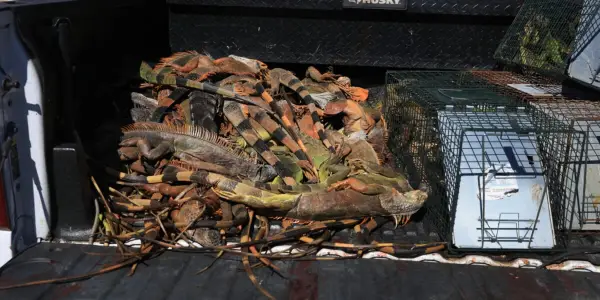
Florida's recent cold snap has led to a spike in iguana removals, with over 8,000 captured as the reptiles succumb to low temperatures, impacting local ecosy...
In-depth analysis
Current environmental changes
Florida's recent cold snap has triggered a remarkable response from the local iguana population, with approximately 8,000 cold-stunned reptiles being collected. This phenomenon highlights how sudden temperature drops can significantly affect wildlife behavior, particularly for non-native species like iguanas that struggle to adapt to extreme weather conditions.
Impact on society
The influx of cold-stunned iguanas presents both a nuisance and a safety concern for Florida residents. Their size and potential for falling from trees can create hazards, while their invasive nature continues to disrupt local ecosystems.
Policy implications
The Florida Fish and Wildlife Conservation Commission's recent executive order allowing public collection of iguanas reflects a strategic response to invasive species management. This policy aims to alleviate environmental and economic pressures caused by the growing iguana population, emphasizing the need for community involvement in wildlife control.
Future outlook
With climate change influencing weather patterns, Florida may face more frequent instances of cold snaps affecting wildlife. Ongoing monitoring and adaptive management strategies will be essential to address the challenges posed by invasive species like iguanas in the future.
Did you know?
Why this concerns all of us
The sudden rise in cold-stunned iguanas in Florida is more than a quirky wildlife event; it reveals the fragility of local ecosystems. As climate patterns shift, invasive species like iguanas thrive, threatening gardens, power lines, and native wildlife. Residents may find themselves grappling with higher pest control costs and the loss of biodiversity in their neighborhoods, underscoring the need for community awareness and proactive environmental stewardship.
Nature's hidden secret
Iguanas, while often seen as mere garden nuisances, can actually hold the key to understanding climate resilience. Their ability to survive in extreme temperatures highlights how some species adapt, yet their cold-stunned state reveals vulnerabilities that can disrupt entire ecosystems. This duality illustrates the delicate balance between adaptation and survival in a changing climate.
The person whose life climate changed
Meet Maria Lopez, a passionate Florida gardener who watched her carefully tended flowers and vegetables suffer due to the iguana invasion. After the recent cold snap, she saw dozens of iguanas fall from her trees, prompting her to join a local cleanup initiative. Through this experience, Maria not only contributed to wildlife management but also connected with neighbors who shared her concerns. The event transformed her perspective—she now sees the intersection of climate change and local biodiversity as a pressing community issue, inspiring her to advocate for sustainable practices in her neighborhood.
Expert Commentary
As a wildlife management expert, this iguana surge highlights how invasive species exploit Florida’s climate—until rare cold snaps briefly tip the balance. While mass collection helps reduce immediate damage, it’s a temporary fix. Long-term control will require consistent population management, public awareness, and policies that prevent invasive species from becoming entrenched in the first place.

Exploring the Depths of Human Connection: Ursula...
Ancient Ice Sample Reveals 6 Million-Year-Old Air...
Impact of Global Warming on Reptile Sex Ratios...
Global Rice Yields Plummet Due to Extreme...

The Impact of US Withdrawal on Global Climate...

Zaha Hadid Architects' Yidan Center Reaches...
Navigating Climate Distress Amid Brain Injury...
Revolutionizing Ocean Research: Robotic Floats...

Key Insights on the Future of Electricity Demand...
The Overlooked Link Between Climate Change and...
New Mapping of Antarctica's Subglacial Landscape...

New Report Highlights Risks of Marine Carbon...

Perrier-Jouët and Design Miami Launch Inaugural...
The Rapid Intensification of Hurricane Melissa...
Deforestation-Free Beef: A Sustainable Approach...

Spring Studio Integrates Biomaterials for...

Palantir's CEO Alex Karp Defends Company’s...

Decline in Indian Passport Ranking Despite...
UK Prepares for Cold Snap with Snow Forecasts...

Research Uncovers Factors Behind Weight Gain...

Brian Greene to Host Inaugural Global Space...

AI Unveils Hidden Lion Roar, Revolutionizing...
Recent Study Indicates Accelerated Pace of Global...

£9 Billion Government Initiative to Revamp...

Golden Hare from Iconic Treasure Hunt Fetches...
Global Climate Action in the Absence of the US: A...
Comprehensive 3D Map Showcases Every Building on...

New Lancet Report Reveals Alarming Impact of...

Can New Alcohol Warning Labels Shift Ireland's...
Lawsuit Alleges Tesla Wrongfully Terminated Deaf...

OpenAI Introduces 'Group Chats' Feature in...

Tragic Cargo Plane Crash in Kentucky Claims Lives...
Emerging Ocean Hotspots Heighten Risk of...

Revisiting India's Air Quality Standards Amid...

Lab Gloves May Complicate Microplastics Research,...

The Economic Risks of Abruptly Halting Solar...
UN Treaty for High Seas Conservation Now Effective
Accelerating Climate Impacts Could Lead to...

Emerging Superfoods from the Amazon: Beyond Açaí