The Impact of US Withdrawal on Global Climate Data Initiatives

The Biden administration's withdrawal from key climate initiatives disrupts global data collection, risking funding and support for essential climate monitor...
In-depth analysis
Current environmental changes
The Biden administration's withdrawal from key international climate monitoring initiatives has created a significant void in global climate data collection. This decision disrupts decades of US involvement in climate governance, undermining the collaborative efforts that have historically supported critical climate assessments and data-sharing among nations.
Impact on society
The reduction in climate-related funding jeopardizes essential services, such as weather forecasting and storm tracking, directly affecting communities' preparedness for extreme weather events. This situation poses heightened risks for vulnerable populations, particularly in coastal regions reliant on accurate climate data.
Policy implications
The cuts to climate science funding signal a shift in US climate policy that may weaken international partnerships and hinder global climate action. As other nations step in to fill the void, the absence of US leadership could lead to fragmented efforts in addressing climate change.
Future outlook
Without renewed investment in climate data and science, the ability to respond effectively to climate challenges will be compromised. The ongoing risk of diminished expertise and resources could stall progress in climate resilience, particularly for regions already facing significant environmental threats.
Did you know?
Why this concerns all of us
The Biden administration's withdrawal from key climate monitoring initiatives poses a direct threat to everyone, impacting weather forecasting, disaster preparedness, and environmental health. As budget cuts jeopardize crucial data collection, communities across the U.S. and beyond will face increased vulnerability to extreme weather events. Without accurate climate data, families may struggle to protect their homes and livelihoods, while local governments lack the resources needed to plan effectively for future challenges.
Nature's hidden secret
Did you know that the ocean absorbs about 30% of the carbon dioxide released into the atmosphere? This process slows the rate of climate change but also leads to ocean acidification, threatening marine ecosystems. The health of our oceans is deeply interconnected with global climate patterns, making their monitoring vital.
The person whose life climate changed
Meet Maria Gonzalez, a small business owner in San Juan, Puerto Rico. For years, she relied on accurate weather forecasts to prepare her beachside café for tourist seasons. With recent cuts to NOAA and the potential loss of vital climate data, Maria fears that unpredictable weather patterns could devastate her business. The absence of reliable information means she might not be able to warn customers about approaching storms, putting her livelihood and community at risk. Maria's story highlights the broader implications of these funding cuts, illustrating how climate data shapes the resilience of local economies and the lives of everyday people.
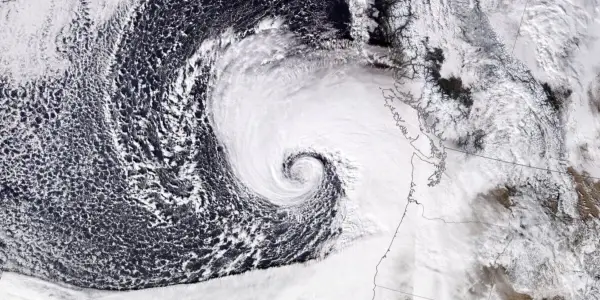
Unexpected Shift in North Pacific Storm Track...

UN Treaty for High Seas Conservation Now Effective
Emerging Ocean Hotspots Heighten Risk of...

Understanding the Urgency of Climate Change: Key...

Recent Study Indicates Accelerated Pace of Global...

Tragic Cargo Plane Crash in Kentucky Claims Lives...

Bill Gates's Climate Remarks Spark Controversy...

UK Prepares for Cold Snap with Snow Forecasts...

Exploring Climate Change Through Sound: The Role...

Global Rice Yields Plummet Due to Extreme...
The Resilient Desert Flora Thrives in Extreme...

Revival of Wild Turkeys: A Conservation Triumph...

The Overlooked Link Between Climate Change and...

Scientists Warn Earth Has Reached Critical...
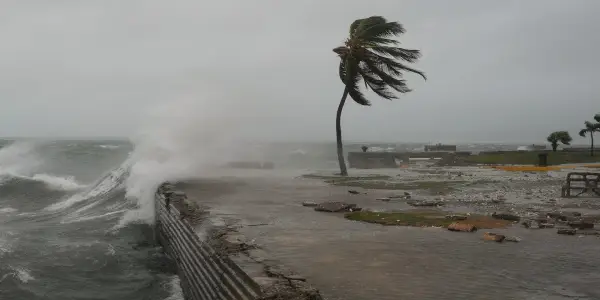
Hurricane Melissa Marks a Historic Category 5...

India's Climate Adaptation Fund Faces Budget Cuts...

Puffins Make Historic Return to Isle of Muck...

AI Unveils Hidden Lion Roar, Revolutionizing...
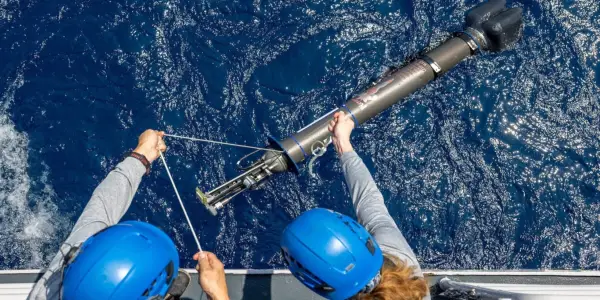
Revolutionizing Ocean Research: Robotic Floats...

The Consensus Model at UN Climate Talks: An...

Revitalizing Wellness at Fairmont Chateau Lake...

Massive Leak Exposes 183 Million Email Passwords:...

OnePlus 15R Poised to Redefine Battery Life...

Japanese Trade Group, Including Studio Ghibli,...

Study Reveals Airborne Microplastics May...

Experts Caution Against Solar Geoengineering:...

Key Outcomes from COP30: Innovations in...

Lawsuit Alleges Tesla Wrongfully Terminated Deaf...

Foldable Phones on the Rise: 2026 Expected to...

Guide to Setting Up and Customizing Gemini Raise...

Residential ZIP Codes Linked to Increased...

The Emerging Debate on Geoengineering: A Call for...

Key Insights Ahead of COP30 Summit in Brazil: A...

Grand Egyptian Museum Unveiled as Torre dei Conti...

The Shift in Climate Discourse: Navigating the...

South Africa's G20 Agenda: Addressing Debt,...

Research Uncovers Factors Behind Weight Gain...

Sex Workers Launch 'Anti-OnlyFans' Platform to...

Meta Enhances Smart Glasses with Garmin and...