Revival of Wild Turkeys: A Conservation Triumph in America
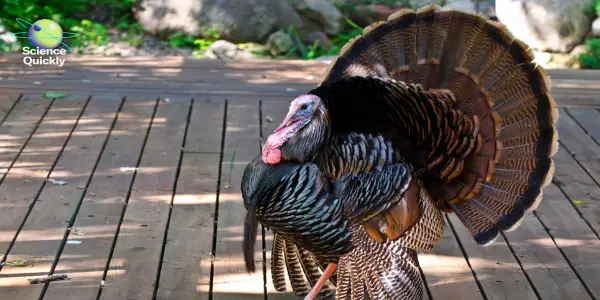
The revival of wild turkeys in America marks a conservation success story, with populations soaring from near extinction to over six million through strategi...
In-depth analysis
Current environmental changes
The resurgence of wild turkeys in the United States highlights significant environmental changes, particularly the recovery of habitats that support their populations. Conservation strategies, including trap-and-transfer methods and habitat restoration, have allowed these birds to thrive in both urban and rural environments, although some areas still experience population declines due to habitat loss and predation.
Impact on society
The return of wild turkeys has influenced community dynamics, particularly in suburban areas where they frequently interact with residents. This has led to both appreciation for the species and conflicts over their presence, emphasizing the need for effective wildlife management.
Policy implications
The success of wild turkey conservation efforts indicates the effectiveness of current wildlife management policies, yet it also highlights the necessity for adaptive strategies. Policymakers must continually assess and respond to emerging challenges, such as habitat loss and human-wildlife interactions, to ensure sustainable populations.
Future outlook
Looking ahead, the future of wild turkeys will depend on ongoing conservation efforts and public awareness. As urbanization continues, balancing turkey populations with human activities will be crucial, requiring innovative management approaches to foster coexistence.
Did you know?
Why this concerns all of us
The resurgence of wild turkeys impacts biodiversity and local ecosystems, affecting everything from pest control to seed dispersal. As these birds thrive in urban areas, they remind us of the delicate balance between nature and human development. Their presence can influence community interactions and even local economies through wildlife tourism, highlighting the interconnectedness of our environmental stewardship and daily lives.
Nature's hidden secret
Wild turkeys have a remarkable ability to fly short distances, reaching speeds up to 55 miles per hour. This surprising trait is often overlooked, as many associate them solely with their ground-dwelling habits. This capability allows them to evade predators and navigate their environments more effectively than most realize.
The person whose life climate changed
Meet Sarah Jenkins, a wildlife enthusiast who transformed her backyard into a sanctuary for local wildlife. After witnessing the resurgence of wild turkeys in her suburban Massachusetts neighborhood, she became an advocate for coexistence. Sarah’s daily routine now includes feeding and observing these birds, fostering a connection that energizes her community. She often hosts educational workshops, teaching neighbors about the importance of respecting wildlife habitats. Through her efforts, Sarah has not only cultivated a deeper appreciation for turkeys but has also sparked conversations about conservation, emphasizing the vital role we all play in protecting the environment.

Introducing the Clamshell Writer Deck: A Focused...
Emerging Ocean Hotspots Heighten Risk of...

Global Climate Action in the Absence of the US: A...
Key Outcomes from COP30: Innovations in...

Sex Workers Launch 'Anti-OnlyFans' Platform to...

South Africa's G20 Agenda: Addressing Debt,...

Recent Study Indicates Accelerated Pace of Global...

Emerging Superfoods from the Amazon: Beyond Açaí
Experts Caution Against Solar Geoengineering:...
Antarctic Robot Explorer Surfaces After Eight...

Perrier-Jouët and Design Miami Launch Inaugural...
Impact of Global Warming on Reptile Sex Ratios...

OnePlus 15R Poised to Redefine Battery Life...

Massive Leak Exposes 183 Million Email Passwords:...

Foldable Phones on the Rise: 2026 Expected to...
The Deadly Impact of Plastic Ingestion on Marine...

The Consensus Model at UN Climate Talks: An...
Fisher Makes Historic Return to Ohio Forests...

Rerouted Shipping Offers Unique Insights into...

Exploring Climate Change Through Sound: The Role...

Pipeline Dispute Challenges Canada's Energy...

Bill Gates's Climate Remarks Spark Controversy...

Heat Flow on Saturn’s Moon Enceladus Suggests...

Study Reveals Airborne Microplastics May...
U.S. Fish and Wildlife Service's Plan to Cull...
Revival of Wild Turkeys: A Conservation Triumph...

New Lancet Report Reveals Alarming Impact of...

Residential ZIP Codes Linked to Increased...
Accelerating Climate Impacts Could Lead to...

Revitalizing Wellness at Fairmont Chateau Lake...
The Overlooked Link Between Climate Change and...
UN Treaty for High Seas Conservation Now Effective
The Rapid Intensification of Hurricane Melissa...

Cate Blanchett Joins Festive Guest Editors for...

Lawsuit Alleges Tesla Wrongfully Terminated Deaf...
Advocating for Forest Sovereignty: A Call for...

Grand Egyptian Museum Unveiled as Torre dei Conti...

Key Insights on the Future of Electricity Demand...
Deforestation-Free Beef: A Sustainable Approach...

Tragic Cargo Plane Crash in Kentucky Claims Lives...