U.S. Fish and Wildlife Service's Plan to Cull Barred Owls Advances Amid Controversy
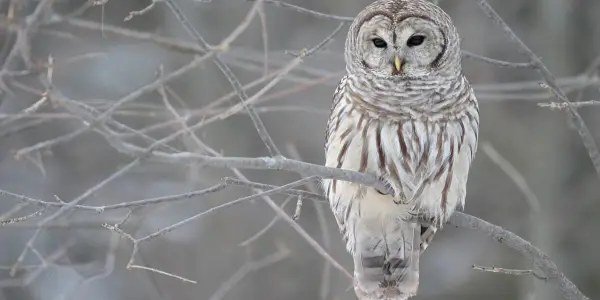
A contentious conservation proposal aimed at protecting the northern spotted owl has cleared a significant legislative hurdle, igniting fierce debate among lawmakers and environmental advocates.
In-depth analysis
Current environmental changes
The expansion of barred owls into the western United States has significantly altered local ecosystems, directly impacting the already vulnerable northern spotted owl. Habitat loss and competition for resources have compounded these changes, forcing wildlife management agencies to reconsider traditional conservation strategies. This situation underscores the complex interactions between species and their environments in the face of human-induced alterations.
Impact on society
The proposed culling plan has sparked intense public debate, reflecting broader societal concerns about wildlife management ethics and the implications of prioritizing one species over another. This controversy highlights the tension between conservation efforts and human interests, particularly in regions where logging and land use are economically significant.
Policy implications
The USFWS's decision to proceed with the culling of barred owls raises critical questions about wildlife management policies and their ethical ramifications. Lawmakers face pressure to balance ecological integrity with economic interests, prompting discussions about the effectiveness and morality of such invasive measures in conservation efforts.
Future outlook
The future of the northern spotted owl remains precarious, hinging on the outcomes of the USFWS's controversial plan. As ecological and economic factors continue to intersect, ongoing debates will likely shape wildlife management strategies and influence public perception of conservation practices in the years to come.
Did you know?
Why this concerns all of us
The decision to cull barred owls raises critical questions about our role in nature. Beyond the immediate impact on these birds, it reflects how human-driven actions—like habitat destruction—have shaped ecosystems. For those living in these regions, wildlife management isn't just a policy debate; it affects local biodiversity, recreation, and even the health of forests. Understanding these dynamics is vital for our future.
Nature's hidden secret
Barred owls, originally from the eastern U.S., have expanded their territory dramatically, moving into the western states over the last century. This shift is not just a fascinating migration story; it underscores how species can adapt and thrive in new environments, often leading to unexpected ecological challenges.
The person whose life climate changed
Meet Sarah Thompson, a wildlife photographer who has spent the last decade in the forests of Oregon, documenting the northern spotted owl. For Sarah, these owls symbolize a fragile ecosystem. As she watched their numbers dwindle, the idea of culling barred owls left her conflicted. In her view, every creature plays a role in the greater tapestry of life. She argues that instead of culling, efforts should focus on restoring habitats and addressing human-induced threats. Sarah believes that protecting the northern spotted owl requires a holistic approach, one that respects all species and their interconnectedness, rather than resorting to drastic measures.

Scientists Warn Earth Has Reached Critical...

Tehran on the Brink: Water Crisis Highlights...

Grand Egyptian Museum Unveiled as Torre dei Conti...
Advocating for Forest Sovereignty: A Call for...

Lab Gloves May Complicate Microplastics Research,...

Understanding the Urgency of Climate Change: Key...
Revolutionizing Ocean Research: Robotic Floats...
Fisher Makes Historic Return to Ohio Forests...
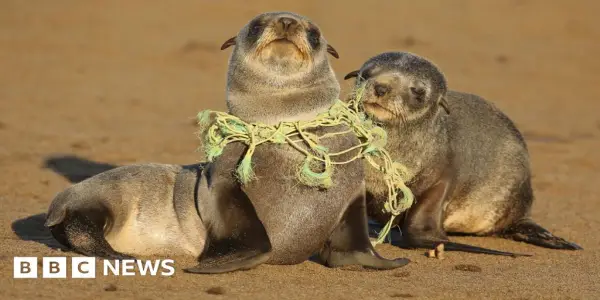
The Deadly Impact of Plastic Ingestion on Marine...
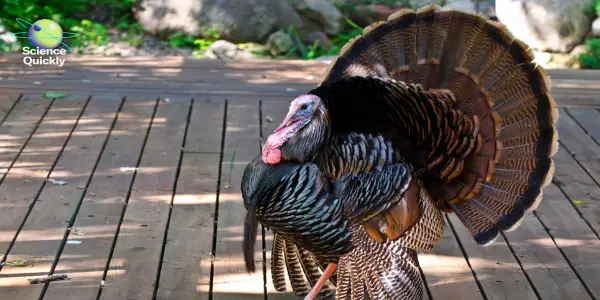
Revival of Wild Turkeys: A Conservation Triumph...

Key Insights on the Future of Electricity Demand...
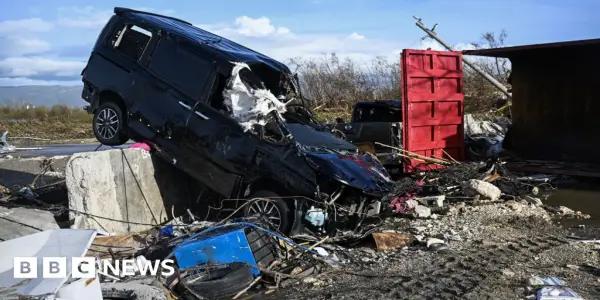
Hurricane Melissa's Death Toll Reaches 28 in...

New Report Highlights Risks of Marine Carbon...

UN Treaty for High Seas Conservation Now Effective
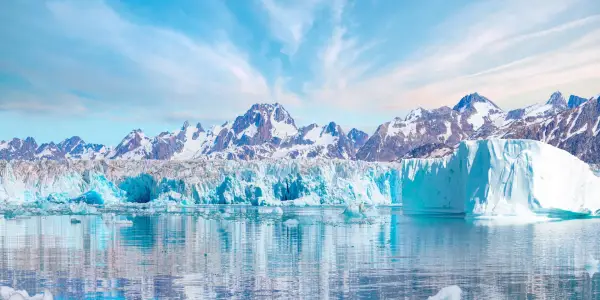
Breakthrough Research Unveils Thermal Convection...
UK Prepares for Cold Snap with Snow Forecasts...

Emerging Superfoods from the Amazon: Beyond Açaí
Key Outcomes from COP30: Innovations in...

Heat Flow on Saturn’s Moon Enceladus Suggests...

Global Climate Action in the Absence of the US: A...

AI's Water Consumption May Soon Match That of 10...

Can New Alcohol Warning Labels Shift Ireland's...
New Mapping of Antarctica's Subglacial Landscape...

Golden Hare from Iconic Treasure Hunt Fetches...

The Impact of US Withdrawal on Global Climate...

Decline in Indian Passport Ranking Despite...

Dezeen Jobs Launches Initiative to Celebrate...
The Overlooked Link Between Climate Change and...
Global Rice Yields Plummet Due to Extreme...
The Economic Risks of Abruptly Halting Solar...

South Africa's G20 Agenda: Addressing Debt,...

OpenAI Introduces 'Group Chats' Feature in...

Meta Enhances Smart Glasses with Garmin and...

Revitalizing Wellness at Fairmont Chateau Lake...

Residential ZIP Codes Linked to Increased...
The Resilient Desert Flora Thrives in Extreme...

Recent Study Indicates Accelerated Pace of Global...

Pacific Nations Set Ambitious Goal for 100%...

The Emerging Debate on Geoengineering: A Call for...