Rising Climate Risks May Render Homes Uninsurable in Several States
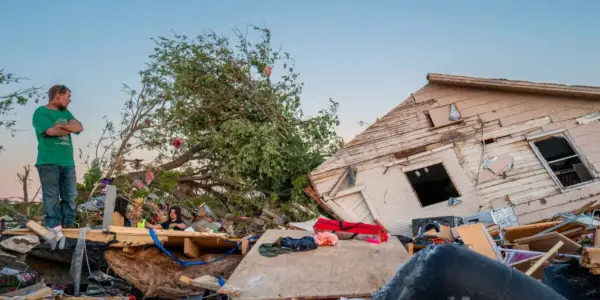
Homeowners face increasing insurance costs due to climate risks, with some states potentially becoming uninsurable as extreme weather events escalate.
In-depth analysis
Current environmental changes
The United States is witnessing significant environmental shifts, particularly in the form of increasing frequency and intensity of climate-related disasters such as hurricanes and wildfires. This escalation has led to a dramatic rise in annual natural disaster losses, now averaging $100 billion, up from $50 billion just a decade ago.
Impact on society
The rising costs and unavailability of homeowner's insurance are straining many households, particularly in high-risk areas. This situation threatens financial stability for numerous families already grappling with the effects of climate change.
Policy implications
The ongoing crisis in the insurance market necessitates urgent policy interventions. States like California are adapting regulations to allow insurers to incorporate future climate data into their models, while also promoting fire resilience measures to counteract risks associated with extreme weather.
Future outlook
As climate change continues to intensify, the insurance landscape is likely to face further upheaval. Homeowners may experience even higher premiums and reduced coverage options, prompting a reevaluation of risk management strategies within the insurance industry.
Did you know?
Why this concerns all of us
The rising costs and instability of homeowner's insurance affect not just those living in high-risk areas but everyone. As premiums soar, homeowners may struggle to afford coverage, risking financial ruin in the event of a disaster. This situation can destabilize local economies, lead to decreased property values, and ultimately force communities to bear the burden of increased taxes and reduced services.
Nature's hidden secret
Did you know that trees can actually help mitigate storm damage? Research shows that urban areas with higher tree canopies experience less severe wind damage during hurricanes. The natural windbreaks provided by trees can significantly reduce property damage, making urban forestry an essential component of disaster preparedness.
The person whose life climate changed
Meet Maria Lopez, a single mother living in California. After losing her home to the wildfires of 2020, she faced the daunting reality of skyrocketing insurance premiums. With her premiums increasing by 30%, Maria now spends nearly half her monthly income on coverage. This financial strain has forced her to cut back on essentials, leaving her anxious about the future. Maria advocates for more affordable insurance options, hoping to share her story and inspire policy changes that could protect families like hers from the financial devastation of climate-related disasters.
Expert Commentary

£9 Billion Government Initiative to Revamp...

South Africa's G20 Agenda: Addressing Debt,...
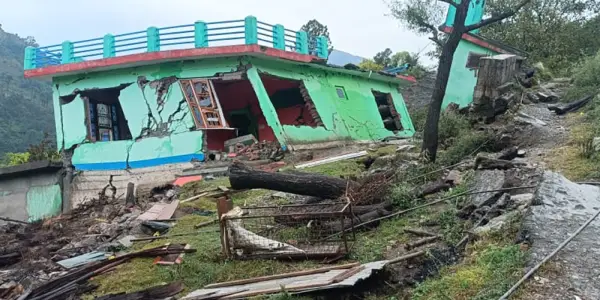
India's Climate Adaptation Fund Faces Budget Cuts...
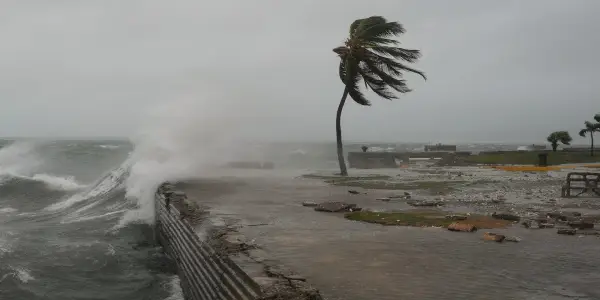
Hurricane Melissa Marks a Historic Category 5...
Key Outcomes from COP30: Innovations in...
Meta Enhances Smart Glasses with Garmin and...
Hurricanes and Droughts: A Dangerous Connection...

Pacific Nations Set Ambitious Goal for 100%...

Teachers' Unions Take a Stand Against Climate...
Navigating Climate Distress Amid Brain Injury...
Revival of Wild Turkeys: A Conservation Triumph...
Breakthrough Research Unveils Thermal Convection...

OnePlus 15R Poised to Redefine Battery Life...
Council of Europe Chief Signals Openness to...
Comprehensive 3D Map Showcases Every Building on...

Guide to Setting Up and Customizing Gemini Raise...

Revitalizing Wellness at Fairmont Chateau Lake...
Global Climate Action in the Absence of the US: A...
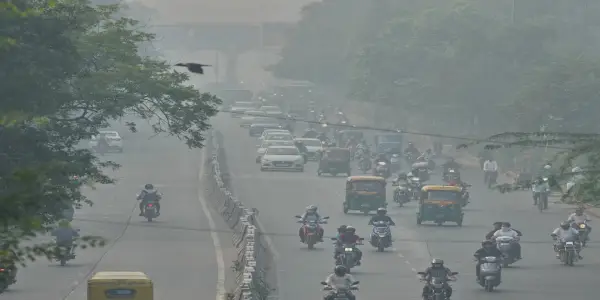
New Delhi Suffers Severe Air Pollution Following...

Key Insights on the Future of Electricity Demand...

New Mapping of Antarctica's Subglacial Landscape...
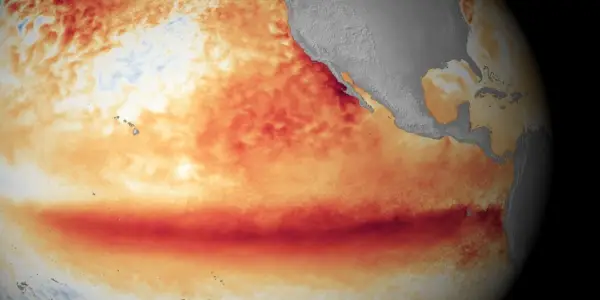
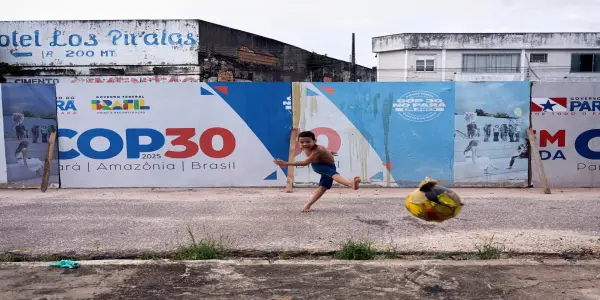
Key Insights Ahead of COP30 Summit in Brazil: A...

Introducing the Clamshell Writer Deck: A Focused...
Japanese Trade Group, Including Studio Ghibli,...
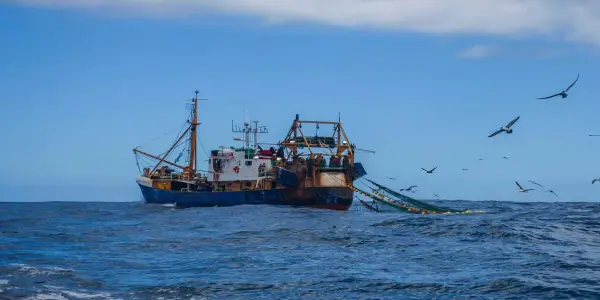
UN Treaty for High Seas Conservation Now Effective
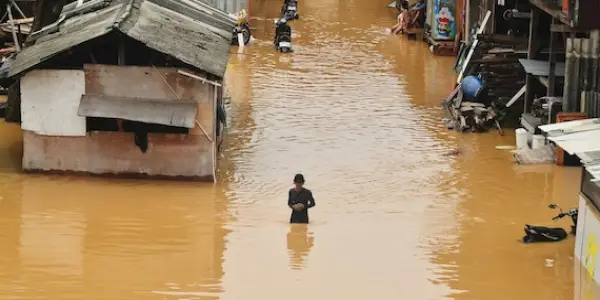
Trump's Environmental Policies Could Lead to 1.3...
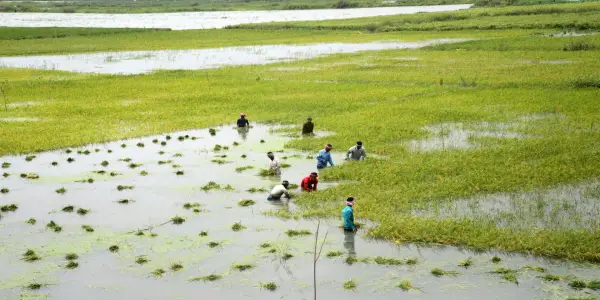
Global Rice Yields Plummet Due to Extreme...
Exploring the Depths of Human Connection: Ursula...

Dezeen Jobs Launches Initiative to Celebrate...
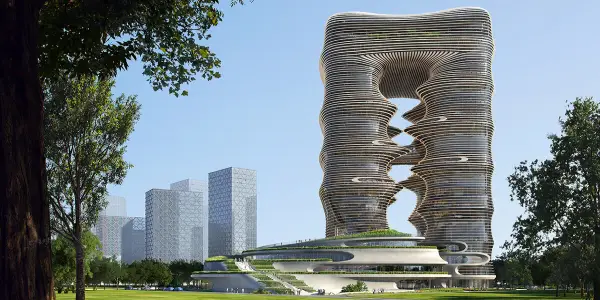
Zaha Hadid Architects' Yidan Center Reaches...
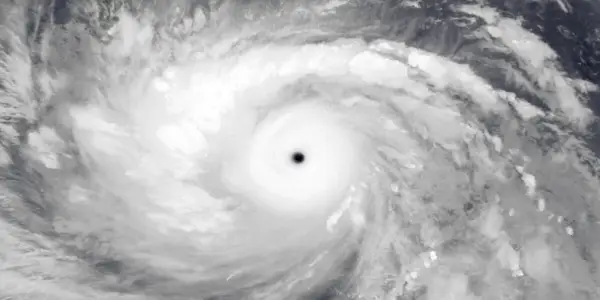
Emerging Ocean Hotspots Heighten Risk of...
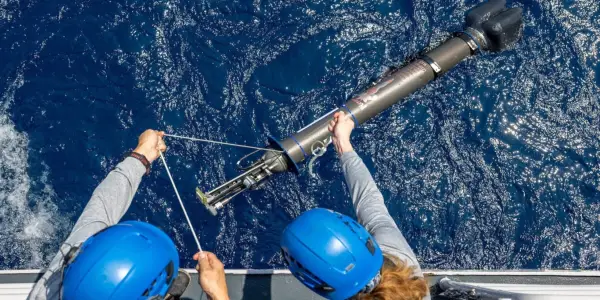
Revolutionizing Ocean Research: Robotic Floats...
The Resilient Desert Flora Thrives in Extreme...
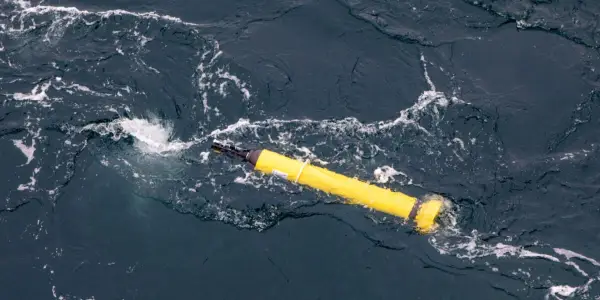
Antarctic Robot Explorer Surfaces After Eight...
UK Prepares for Cold Snap with Snow Forecasts...

Research Uncovers Factors Behind Weight Gain...

Can New Alcohol Warning Labels Shift Ireland's...
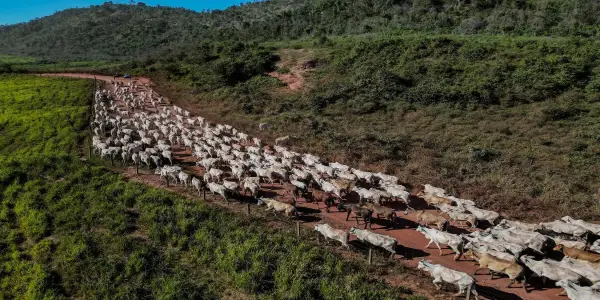
Deforestation-Free Beef: A Sustainable Approach...
Revisiting India's Air Quality Standards Amid...