Microplastics Research Compromised by Common Laboratory Equipment Error
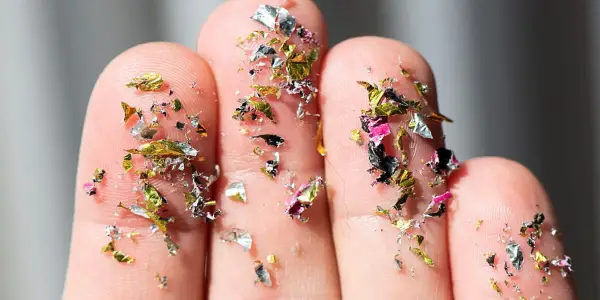
Recent findings reveal that standard lab gloves may introduce thousands of false microplastic readings, challenging previous research conclusions.
In-depth analysis
Current environmental changes
Recent findings indicate that standard laboratory gloves used in microplastics research may contribute to significant inaccuracies in measuring microplastics contamination. Contaminants from latex and nitrile gloves can shed stearates, which are often misidentified as microplastics, potentially skewing the understanding of pollution levels across various ecosystems, including oceans and human tissues.
Impact on society
The inaccuracies in microplastics measurement could have far-reaching implications for public health and environmental policies, as they may misrepresent the severity of pollution and its effects on ecosystems and human health.
Policy implications
This research calls for a reevaluation of existing microplastics data and methodologies, urging policymakers to consider the potential overestimations in contamination levels. Adoption of improved laboratory practices, such as using cleanroom gloves, is essential for accurate assessments and informed decision-making.
Future outlook
As research continues, there is a growing emphasis on refining measurement techniques to ensure accurate data on microplastics pollution. Ongoing studies, particularly in atmospheric microplastic levels, aim to enhance the understanding of contamination and its implications for environmental health.
Did you know?
Why this concerns all of us
Microplastics have infiltrated our ecosystems and even our bodies, posing unknown health risks. This new research reveals that the tools we use to measure their presence may be flawed, leading to inflated contamination reports. For everyday consumers, this means the food, water, and air we rely on may be less safe than previously thought, potentially jeopardizing public health and the environment.
Nature's hidden secret
Interestingly, stearates, the particles shed by gloves, are found in many everyday products, from cosmetics to food packaging. This connection raises questions about how widespread contamination could occur from sources other than microplastics themselves, complicating our understanding of environmental pollution.
The person whose life climate changed
Meet Ethan, a marine biologist whose career has been shaped by the alarming rise of microplastics in our oceans. After years of research, Ethan discovered high microplastic levels affecting fish populations, harming both marine life and the fishing industry. The recent findings on glove contamination have left him unsettled; he fears that previous data may have led to misguided policies that fail to address the real threats to marine ecosystems. For Ethan, the stakes are personal—his passion for preserving ocean health is now intertwined with the responsibility of ensuring scientific integrity. This new research compels him to rethink his methods and advocate for rigorous standards, emphasizing the urgent need for accurate data to protect the environment he loves.
Expert Commentary

£9 Billion Government Initiative to Revamp...

Spring Studio Integrates Biomaterials for...

Exploring Climate Change Through Sound: The Role...

Hurricanes and Droughts: A Dangerous Connection...

Hurricane Melissa Marks a Historic Category 5...

Deforestation-Free Beef: A Sustainable Approach...


Navigating Climate Distress Amid Brain Injury...

Sex Workers Launch 'Anti-OnlyFans' Platform to...

Revitalizing Wellness at Fairmont Chateau Lake...

Bill Gates's Climate Remarks Spark Controversy...

Unexpected Shift in North Pacific Storm Track...

India's Climate Adaptation Fund Faces Budget Cuts...


Exploring the Depths of Human Connection: Ursula...

Residential ZIP Codes Linked to Increased...

Grand Egyptian Museum Unveiled as Torre dei Conti...

New Report Highlights Risks of Marine Carbon...

UN Treaty for High Seas Conservation Now Effective

Japanese Trade Group, Including Studio Ghibli,...

The Crucible: A Test of Nerves in Snooker's Most...
Can New Alcohol Warning Labels Shift Ireland's...

Foldable Phones on the Rise: 2026 Expected to...
Ancient Ice Sample Reveals 6 Million-Year-Old Air...

Puffins Make Historic Return to Isle of Muck...

Urgent Action Needed as Scientists Warn of...

Golden Hare from Iconic Treasure Hunt Fetches...
Meta Enhances Smart Glasses with Garmin and...

Impact of Global Warming on Reptile Sex Ratios...

The Shift in Climate Discourse: Navigating the...
The Rapid Intensification of Hurricane Melissa...

Revolutionizing Camping: Solar-Powered Tent...

Accelerating Climate Impacts Could Lead to...

New Mapping of Antarctica's Subglacial Landscape...

The Consensus Model at UN Climate Talks: An...

Fisher Makes Historic Return to Ohio Forests...

Brian Greene to Host Inaugural Global Space...

Palantir's CEO Alex Karp Defends Company’s...

Peaky Blinders: A Catalyst for West Midlands...

KDE Plans to Phase Out X11 Support in Upcoming...