UN Treaty for High Seas Conservation Now Effective
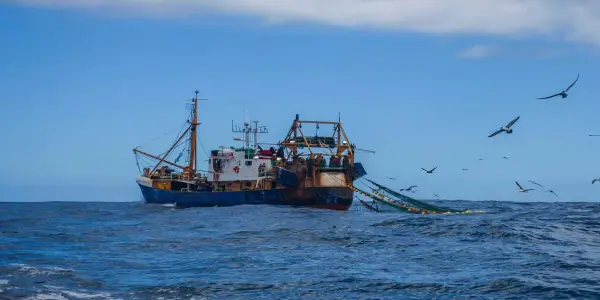
The UN's new treaty for high seas conservation has officially taken effect, promising to protect marine biodiversity in vast ocean areas previously unregulated.
In-depth analysis
Why this matters
Awareness of environmental changes impacts policy, business, and daily life.
Real-world use case
Policy makers and activists use news to plan initiatives and campaigns.
Comparison
Single reports may be isolated; aggregated summaries reveal trends.
Limits / risks
Data accuracy varies; rely on credible scientific sources.
Did you know?
Why this concerns all of us
The new UN treaty for high seas conservation impacts everyone, as our oceans are crucial for climate regulation and food security. With fish stocks dwindling and marine biodiversity at risk, this treaty is a step toward sustainable fishing practices that can protect our seafood supply. A healthier ocean means healthier communities, ensuring we can rely on marine resources for generations.
Nature's hidden secret
The high seas, covering nearly half the Earth's surface, are home to species that remain largely undiscovered. For example, hydrothermal vents, often referred to as 'black smokers,' support unique ecosystems that thrive in extreme conditions, showcasing life forms that could hold secrets to biotechnology and medicine.
The person whose life climate changed
Maria Lopez, a fisherman from a coastal village in Chile, has seen the effects of overfishing firsthand. For years, her family relied on abundant fish stocks, but declining catches have led to economic hardship. The new treaty brings her hope. Maria dreams of a sustainable future where her children can inherit a thriving ocean. She actively advocates for marine protected areas, believing they could restore fish populations. With the treaty in place, she feels empowered, knowing that collective international action might ensure her community's way of life can endure.

Scientists Warn Earth Has Reached Critical...

Tehran on the Brink: Water Crisis Highlights...

Grand Egyptian Museum Unveiled as Torre dei Conti...
Advocating for Forest Sovereignty: A Call for...

Lab Gloves May Complicate Microplastics Research,...

Understanding the Urgency of Climate Change: Key...
Revolutionizing Ocean Research: Robotic Floats...

Fisher Makes Historic Return to Ohio Forests...
The Deadly Impact of Plastic Ingestion on Marine...
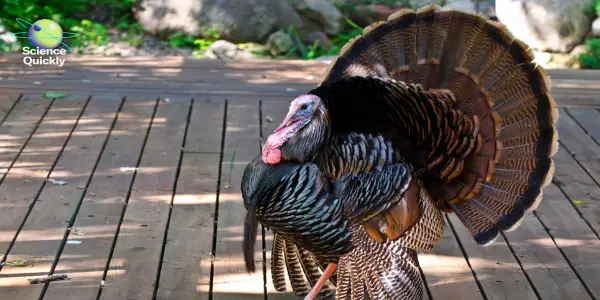
Revival of Wild Turkeys: A Conservation Triumph...

Key Insights on the Future of Electricity Demand...
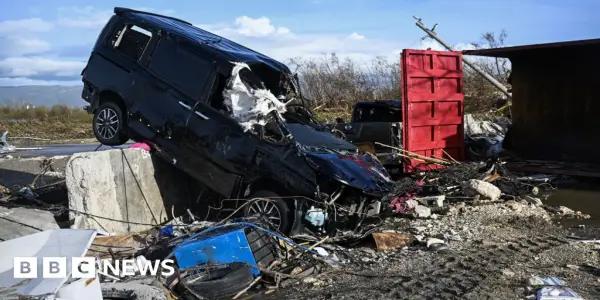
Hurricane Melissa's Death Toll Reaches 28 in...
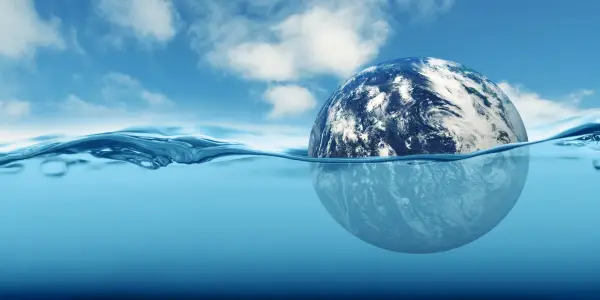
New Report Highlights Risks of Marine Carbon...

Revisiting India's Air Quality Standards Amid...
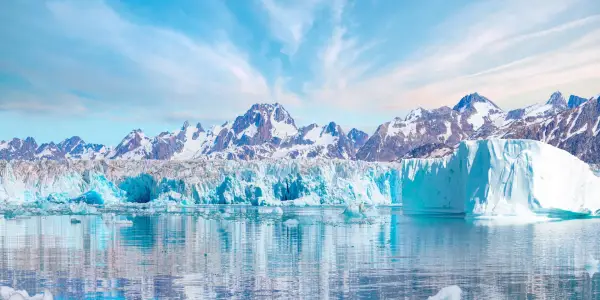
Breakthrough Research Unveils Thermal Convection...

UK Prepares for Cold Snap with Snow Forecasts...
UN Treaty for High Seas Conservation Now Effective
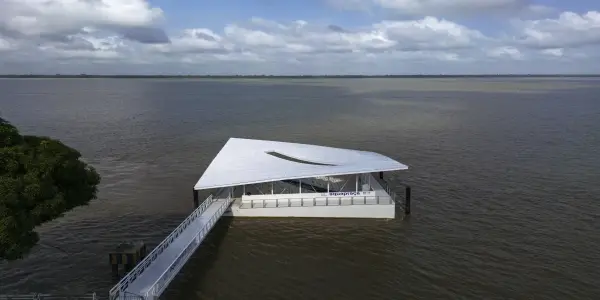
Key Outcomes from COP30: Innovations in...

Heat Flow on Saturn’s Moon Enceladus Suggests...
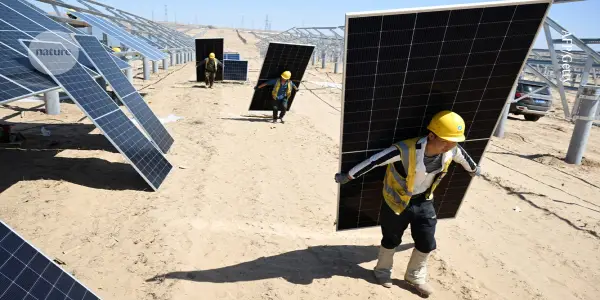
Global Climate Action in the Absence of the US: A...

AI's Water Consumption May Soon Match That of 10...

Can New Alcohol Warning Labels Shift Ireland's...
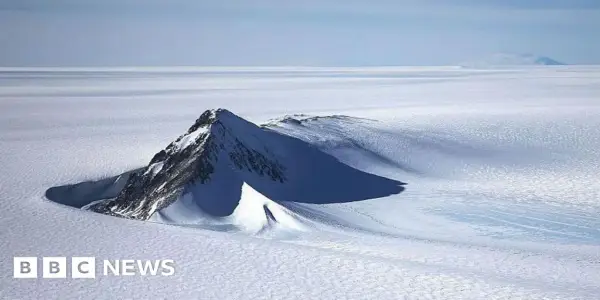
New Mapping of Antarctica's Subglacial Landscape...

Golden Hare from Iconic Treasure Hunt Fetches...

The Impact of US Withdrawal on Global Climate...
Decline in Indian Passport Ranking Despite...

Dezeen Jobs Launches Initiative to Celebrate...

The Overlooked Link Between Climate Change and...
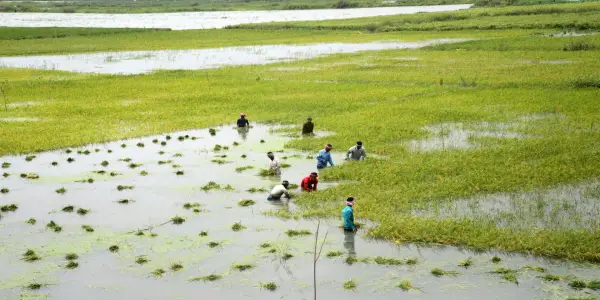
Global Rice Yields Plummet Due to Extreme...
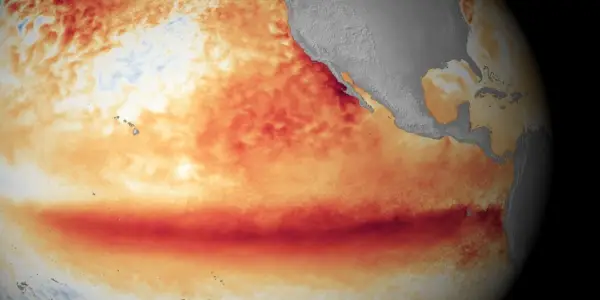
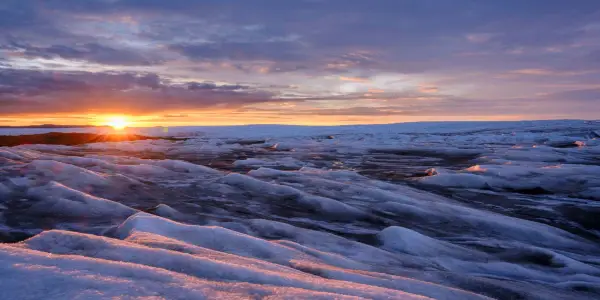
The Economic Risks of Abruptly Halting Solar...

South Africa's G20 Agenda: Addressing Debt,...

OpenAI Introduces 'Group Chats' Feature in...

Meta Enhances Smart Glasses with Garmin and...

Revitalizing Wellness at Fairmont Chateau Lake...

Residential ZIP Codes Linked to Increased...
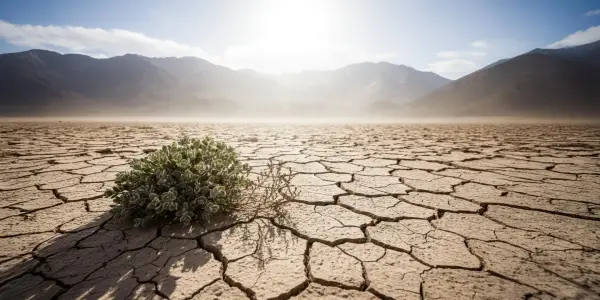
The Resilient Desert Flora Thrives in Extreme...

Recent Study Indicates Accelerated Pace of Global...

Pacific Nations Set Ambitious Goal for 100%...

The Emerging Debate on Geoengineering: A Call for...