Tehran on the Brink: Water Crisis Highlights Iran's Environmental Challenges
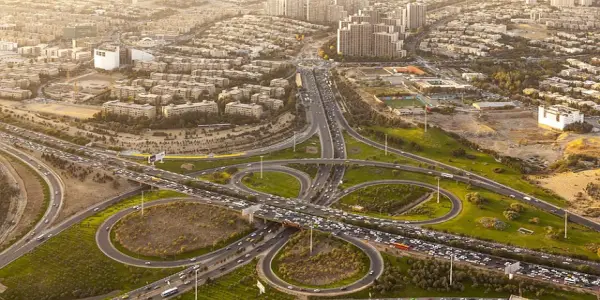
As Iran's capital faces severe drought, experts warn of an impending 'Day Zero' when water supplies could run dry, exacerbated by climate change and decades of poor management.
In-depth analysis
Current environmental changes
Tehran is experiencing an unprecedented water crisis, with reservoirs nearing depletion as the city enters the rainy season. The past four years have seen rainfall levels significantly below normal, with the fall of 2023 marking the hottest and driest period on record, intensifying pressure on the already dwindling groundwater supplies.
Impact on society
The water crisis in Tehran poses serious risks to public health and economic stability, threatening livelihoods and access to essential resources for millions. This situation exacerbates existing inequalities, particularly affecting vulnerable populations who rely heavily on consistent water supply.
Policy implications
Iran's current water crisis necessitates urgent reforms in water management policies. Strategies should focus on sustainable agricultural practices, improved infrastructure, and public education on conservation, alongside innovative solutions like groundwater desalination to enhance resilience against future shortages.
Future outlook
The trajectory of Tehran's water crisis indicates a critical need for immediate and effective interventions. Without significant policy changes and resource management reforms, the city may face increasingly severe water shortages, threatening its economic and social fabric.
Did you know?
Why this concerns all of us
Tehran's water crisis is a stark reminder of the fragility of urban infrastructure in the face of climate change. As cities worldwide face similar challenges, the potential for 'Day Zero' scenarios could threaten millions. This situation underscores the need for local governments to prioritize sustainable water management, which impacts everything from agriculture to daily water access for families.
Nature's hidden secret
Interestingly, Iran's ancient qanat system, a network of underground aqueducts, has been used for over 3,000 years to transport water from mountains to arid regions. This ingenious method utilizes gravity to move water, showcasing a historical adaptation to environmental challenges that is now at risk due to modern mismanagement and climate change.
The person whose life climate changed
Fatemeh, a 38-year-old farmer near Tehran, has witnessed her land's transformation firsthand. Once fertile, her fields now lie parched, unable to yield crops as water becomes scarce. Each day, she faces the heart-wrenching decision of whether to buy expensive water or let her family’s livelihood dry up. Fatemeh dreams of a future where sustainable practices revive her community's connection to the land, yet she feels the weight of uncertainty as climate patterns shift. Her story reflects the struggles of many in Iran, emphasizing the urgent need for systemic change to ensure that families like hers can thrive.

Puffins Make Historic Return to Isle of Muck...
Tragic Cargo Plane Crash in Kentucky Claims Lives...

Revitalizing Wellness at Fairmont Chateau Lake...
Unprecedented Strength of Hurricane Melissa Marks...
Grand Egyptian Museum Unveiled as Torre dei Conti...

Decline in Indian Passport Ranking Despite...
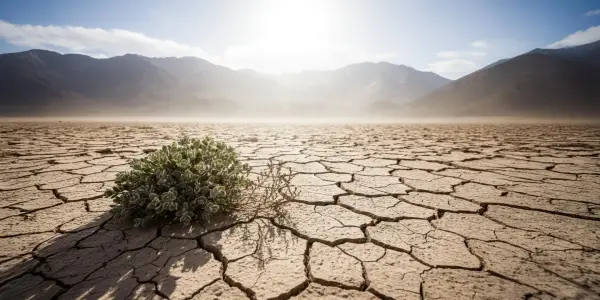
The Resilient Desert Flora Thrives in Extreme...

Fisher Makes Historic Return to Ohio Forests...
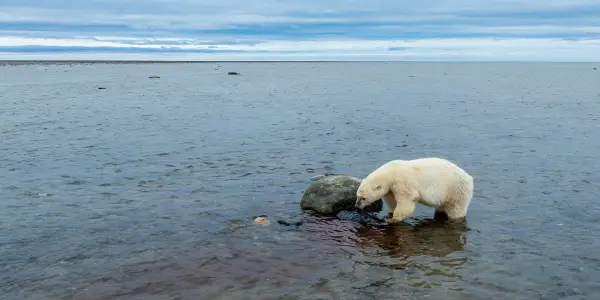
Reevaluating the Polar Bear Narrative Amid...

Scientists Warn Earth Has Reached Critical...
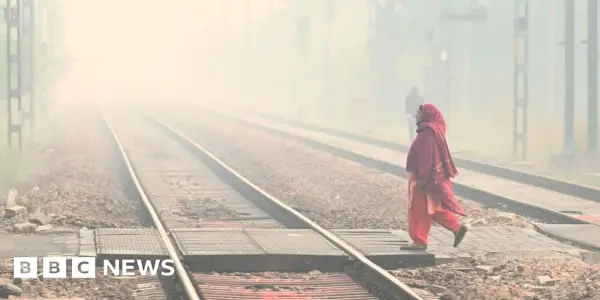
Revisiting India's Air Quality Standards Amid...
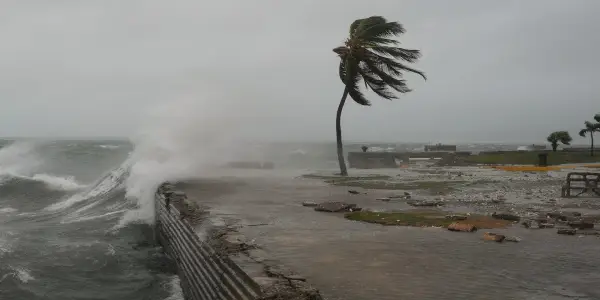
Hurricane Melissa Marks a Historic Category 5...
UN Treaty for High Seas Conservation Now Effective
Lawsuit Alleges Tesla Wrongfully Terminated Deaf...
Trump's Environmental Policies Could Lead to 1.3...
Global Climate Action in the Absence of the US: A...

The Consensus Model at UN Climate Talks: An...

Advocating for Forest Sovereignty: A Call for...

KDE Plans to Phase Out X11 Support in Upcoming...

Sex Workers Launch 'Anti-OnlyFans' Platform to...

Palantir's CEO Alex Karp Defends Company’s...

New Report Highlights Risks of Marine Carbon...
Key Outcomes from COP30: Innovations in...
Antarctic Robot Explorer Surfaces After Eight...

Marvel Gears Up for a Major Avengers Event:...

Golden Hare from Iconic Treasure Hunt Fetches...
New Mapping of Antarctica's Subglacial Landscape...

Research Uncovers Factors Behind Weight Gain...

Japanese Trade Group, Including Studio Ghibli,...

OpenAI Introduces 'Group Chats' Feature in...

Study Reveals Airborne Microplastics May...

AI's Water Consumption May Soon Match That of 10...
The Economic Risks of Abruptly Halting Solar...
The Rapid Intensification of Hurricane Melissa...

Spring Studio Integrates Biomaterials for...

Guide to Setting Up and Customizing Gemini Raise...

Urgent Action Needed as Scientists Warn of...

Exploring Climate Change Through Sound: The Role...