Emerging Ocean Hotspots Heighten Risk of Catastrophic Mega-Hurricanes
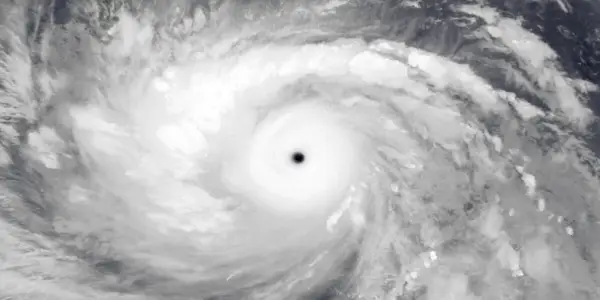
Climate change is intensifying the threat of unprecedented tropical cyclones, prompting discussions on the necessity of a new 'Category 6' classification.
In-depth analysis
Current environmental changes
Recent research indicates a troubling rise in ocean hotspots, which are contributing to the increased likelihood of extreme tropical cyclones, or 'mega-hurricanes.' Over the last four decades, the frequency of storms potentially qualifying as Category 6 has surged, with significant occurrences observed in the western Pacific and North Atlantic regions. This trend is closely linked to human-induced climate change.
Impact on society
The escalation of mega-hurricanes poses a significant threat to coastal communities, particularly in densely populated areas. Increased storm intensity can lead to devastating impacts on infrastructure, public health, and local economies, necessitating urgent adaptations in disaster preparedness.
Policy implications
This research underscores the need for policymakers to revise existing hurricane classification systems and enhance preparedness strategies. As the threat of Category 6 storms looms, proactive measures must be implemented to safeguard vulnerable populations and infrastructure against increasingly severe weather events.
Future outlook
Given the ongoing effects of climate change, the frequency and intensity of mega-hurricanes are expected to continue rising. This reality demands immediate action in disaster management and infrastructure resilience to mitigate the impacts of these powerful storms on society.
Did you know?
Why this concerns all of us
The rise of mega-hurricanes isn’t just a scientific concern; it has tangible implications for coastal communities, economies, and daily life. With storms becoming more intense and frequent, residents in vulnerable areas face increased risk of devastation. This can lead to loss of homes, infrastructure damage, and economic instability, affecting everything from local businesses to emergency services. Preparing for these storms means reassessing building codes, emergency plans, and community resources, directly impacting how people live and work.
Nature's hidden secret
Surprisingly, the frequency of storms that could be classified as Category 6 has surged, with eight such storms recorded since 1979. Alarmingly, a quarter of these extreme events occurred in just the last decade, highlighting an accelerated trend linked directly to rising ocean temperatures.
The person whose life climate changed
Maria Santos, a teacher in Tacloban City, Philippines, witnessed her life upended by Typhoon Haiyan in 2013. The storm ravaged her community, displacing thousands and leaving her school in ruins. As she rebuilt her life, Maria became a passionate advocate for climate education, emphasizing the importance of preparedness. Her experience reflects a broader reality: as storms increase in intensity, individuals like Maria are not just survivors but voices for change, urging communities to adapt to a future where mega-hurricanes are the new norm.

New Lancet Report Reveals Alarming Impact of...

The Crucible: A Test of Nerves in Snooker's Most...
Global Climate Action in the Absence of the US: A...

Guide to Setting Up and Customizing Gemini Raise...

Ancient Tools Illuminate Early Human Innovation...
Hurricanes and Droughts: A Dangerous Connection...
Residential ZIP Codes Linked to Increased...

Doom's Programming Error Sparks Renewed Interest...

The Shift in Climate Discourse: Navigating the...


Revival of Wild Turkeys: A Conservation Triumph...

£9 Billion Government Initiative to Revamp...

The Economic Risks of Abruptly Halting Solar...

Spring Studio Integrates Biomaterials for...

Palantir's CEO Alex Karp Defends Company’s...

The Overlooked Link Between Climate Change and...

Study Reveals Airborne Microplastics May...

Massive Leak Exposes 183 Million Email Passwords:...

Breakthrough Research Unveils Thermal Convection...

UK Prepares for Cold Snap with Snow Forecasts...
Unprecedented Strength of Hurricane Melissa Marks...

OpenAI Introduces 'Group Chats' Feature in...

AI's Water Consumption May Soon Match That of 10...

The Consensus Model at UN Climate Talks: An...
Projected Plastic Waste to Exceed 280 Million...

Zaha Hadid Architects' Yidan Center Reaches...

Exploring the Depths of Human Connection: Ursula...
Dezeen Jobs Launches Initiative to Celebrate...
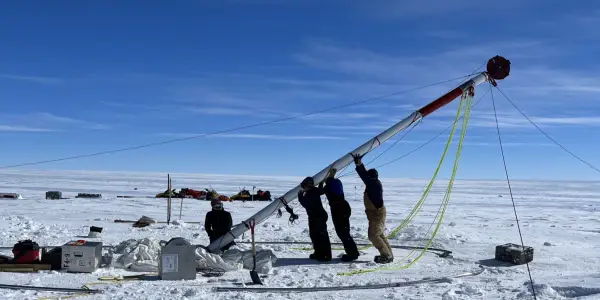
Ancient Ice Sample Reveals 6 Million-Year-Old Air...

Recent Study Indicates Accelerated Pace of Global...

Can New Alcohol Warning Labels Shift Ireland's...
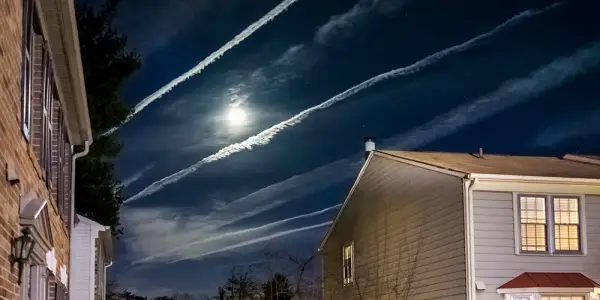
Experts Caution Against Solar Geoengineering:...

Key Insights on the Future of Electricity Demand...

Impact of Global Warming on Reptile Sex Ratios...

AI Unveils Hidden Lion Roar, Revolutionizing...

Scientists Warn Earth Has Reached Critical...

Lab Gloves May Complicate Microplastics Research,...

Decline in Indian Passport Ranking Despite...