Projected Plastic Waste to Exceed 280 Million Metric Tons Annually by 2040
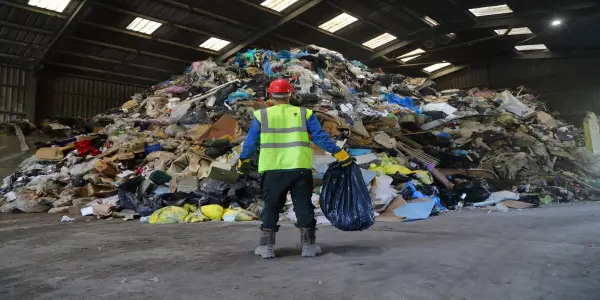
Plastic waste is set to exceed 280 million metric tons annually by 2040, driven by new data from multiple industries. Urgent action is needed to address this...
In-depth analysis
Current environmental changes
The report from The Pew Charitable Trusts reveals a dramatic escalation in plastic waste, predicting it will exceed 280 million metric tons annually by 2040. This surge, driven by expanded data on various sectors, indicates a critical environmental crisis as microplastics infiltrate even the most isolated ecosystems, threatening biodiversity and public health.
Impact on society
The health ramifications of plastic pollution are becoming increasingly severe, with associations to conditions like cancer and cardiovascular diseases. The potential economic burden of these health issues could reach $1 trillion globally, underscoring the urgent need for societal awareness and action.
Policy implications
Current waste management systems are ill-equipped to handle the projected increase in plastic production, necessitating urgent policy reform. The failure of a recent global treaty initiative highlights the challenges posed by powerful industries resistant to change, emphasizing the need for robust regulatory frameworks.
Future outlook
Without significant intervention, the trajectory of plastic waste is alarming, with projections indicating an overwhelming crisis by 2040. A coordinated global response is essential to mitigate the environmental and health impacts of plastic pollution and to develop sustainable management practices.
Did you know?
Why this concerns all of us
The projected rise in plastic waste affects everyone, not just those in polluted areas. As plastics infiltrate our food and water supplies, they pose direct health risks, from hormone disruption to cancer. Communities must confront the reality of microplastics in everyday products, from bottled water to seafood, emphasizing the urgent need for collective action to protect public health and the environment.
Nature's hidden secret
Recent research reveals that oceanic plastic waste can break down into microplastics, which then become part of the food web. Surprisingly, filter-feeding animals, like oysters and clams, can ingest these particles, leading to their accumulation in the human food chain, raising concerns about the unseen dangers lurking in our seafood.
The person whose life climate changed
Meet Ava Rodriguez, a marine biologist from Florida. After spending years studying coral reef health, she was devastated to find microplastics in the very ecosystems she sought to protect. Witnessing the decline of marine life due to plastic pollution has driven her to advocate for stricter regulations. Ava's emotional connection to the ocean fuels her fight, as she grapples with the loss of biodiversity and its impact on communities that depend on marine resources for their livelihoods.

Tehran on the Brink: Water Crisis Highlights...
Recent Study Indicates Accelerated Pace of Global...

Experts Caution Against Solar Geoengineering:...

Can New Alcohol Warning Labels Shift Ireland's...

Navigating Climate Distress Amid Brain Injury...
Trump's Environmental Policies Could Lead to 1.3...

KDE Plans to Phase Out X11 Support in Upcoming...
The Resilient Desert Flora Thrives in Extreme...
OpenAI Introduces 'Group Chats' Feature in...

Pipeline Dispute Challenges Canada's Energy...

The Crucible: A Test of Nerves in Snooker's Most...

Cate Blanchett Joins Festive Guest Editors for...

Deforestation-Free Beef: A Sustainable Approach...

New Lancet Report Reveals Alarming Impact of...

£9 Billion Government Initiative to Revamp...

Study Reveals Airborne Microplastics May...

Global Rice Yields Plummet Due to Extreme...

Exploring the Depths of Human Connection: Ursula...
Decline in Indian Passport Ranking Despite...
Key Insights Ahead of COP30 Summit in Brazil: A...

Teachers' Unions Take a Stand Against Climate...

The Impact of US Withdrawal on Global Climate...

Lawsuit Alleges Tesla Wrongfully Terminated Deaf...
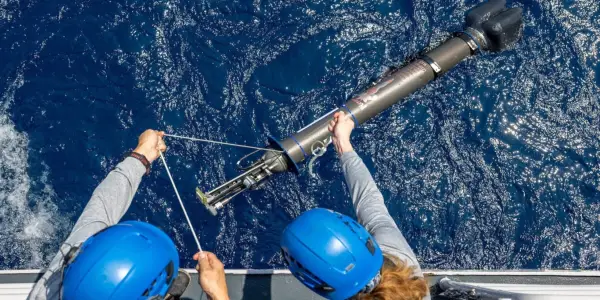
Revolutionizing Ocean Research: Robotic Floats...
Research Uncovers Factors Behind Weight Gain...
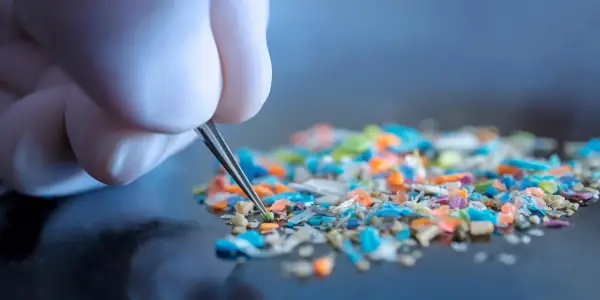
Lab Gloves May Complicate Microplastics Research,...

Zaha Hadid Architects' Yidan Center Reaches...

The Economic Risks of Abruptly Halting Solar...

UK Prepares for Cold Snap with Snow Forecasts...

Sex Workers Launch 'Anti-OnlyFans' Platform to...
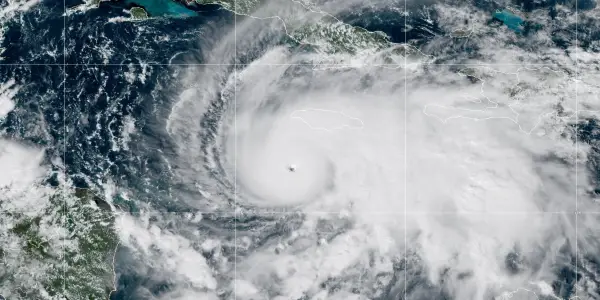
The Rapid Intensification of Hurricane Melissa...
Global Climate Action in the Absence of the US: A...
New Report Highlights Risks of Marine Carbon...
Impact of Global Warming on Reptile Sex Ratios...

Pacific Nations Set Ambitious Goal for 100%...

Chronic Diseases in Animals Mirror Human Health...

Perrier-Jouët and Design Miami Launch Inaugural...

Heat Flow on Saturn’s Moon Enceladus Suggests...

U.S. Fish and Wildlife Service's Plan to Cull...