New Report Highlights Risks of Marine Carbon Dioxide Removal Technologies
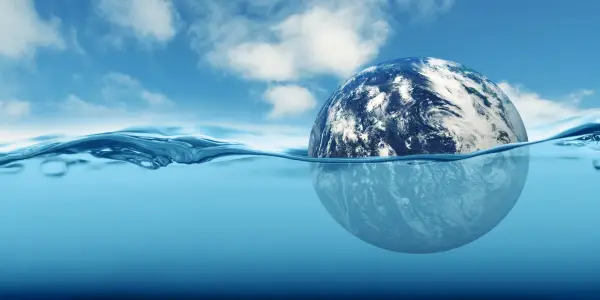
A recent assessment presented at COP30 underscores the challenges of utilizing oceans as carbon sinks, emphasizing the need for robust monitoring and verification before scaling up these technologies.
In-depth analysis
Current environmental changes
The increasing urgency of climate change is reflected in the rapid rise of global temperatures, which threatens to surpass the 1.5 degrees Celsius threshold established by the Paris Agreement. This alarming trend highlights the critical need for effective carbon management strategies, particularly in oceanic environments that play a vital role in carbon dioxide absorption.
Impact on society
The implications of failing to address climate change are profound, affecting public health, food security, and economic stability. Communities worldwide face heightened risks from extreme weather events and rising sea levels, necessitating immediate action to mitigate these challenges.
Policy implications
The findings from the European Marine Board report underscore the necessity for policymakers to prioritize established emission reduction strategies over unproven marine carbon removal technologies. Effective regulatory frameworks are essential to ensure that any new methods do not inadvertently harm ocean ecosystems while addressing climate goals.
Future outlook
Looking ahead, the integration of innovative carbon removal solutions with traditional emission reduction strategies will be crucial. Continued research and development in marine carbon technologies, coupled with stringent monitoring practices, will shape the effectiveness of global climate initiatives in the coming decades.
Did you know?
Why this concerns all of us
The health of our oceans directly impacts global weather patterns, food security, and even our local economies. When marine ecosystems struggle, the ripple effects can lead to decreased fish populations, affecting livelihoods and food sources for millions. Safeguarding ocean health is crucial not just for environmental reasons, but also for ensuring sustainable communities and economies that rely on these vital resources.
Nature's hidden secret
Did you know that the ocean absorbs about 30% of the carbon dioxide produced by humans? This incredible ability helps mitigate climate change, but it also leads to ocean acidification, which threatens marine life, particularly organisms with calcium carbonate shells, like coral and certain shellfish.
The person whose life climate changed
Meet Elena Torres, a marine biologist from San Diego, whose research focuses on coral reef restoration. With rising sea temperatures, Elena has witnessed firsthand the bleaching events that devastate these ecosystems. Her passion for the ocean drives her to advocate for sustainable practices, but she also feels the weight of urgency. "Every day, I see the impacts of climate change on the reefs I love. It’s not just data; it’s my home, my work, and my passion at risk," she shares. Elena emphasizes that while marine carbon removal technologies are being explored, we must prioritize protecting what remains. For her, the ocean is not merely a source of carbon sequestration; it is a complex, vibrant ecosystem that deserves our commitment.
Ancient Ice Sample Reveals 6 Million-Year-Old Air...

Grand Egyptian Museum Unveiled as Torre dei Conti...

Lawsuit Alleges Tesla Wrongfully Terminated Deaf...
The Rapid Intensification of Hurricane Melissa...
The Resilient Desert Flora Thrives in Extreme...

Advocating for Forest Sovereignty: A Call for...

Heat Flow on Saturn’s Moon Enceladus Suggests...

Perrier-Jouët and Design Miami Launch Inaugural...

Residential ZIP Codes Linked to Increased...

Revisiting India's Air Quality Standards Amid...

New Lancet Report Reveals Alarming Impact of...

Meta Enhances Smart Glasses with Garmin and...

Key Insights Ahead of COP30 Summit in Brazil: A...
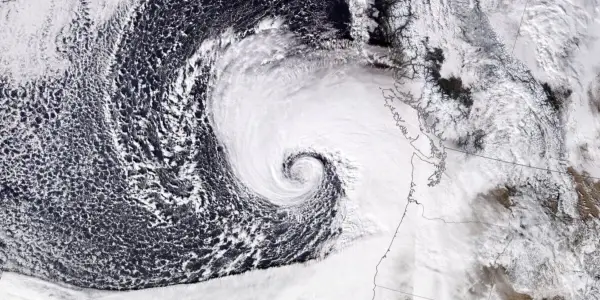
Unexpected Shift in North Pacific Storm Track...

The Shift in Climate Discourse: Navigating the...

Joe Swash Opens Up About the Challenges of Being...

Decline in Indian Passport Ranking Despite...

Impact of Global Warming on Reptile Sex Ratios...

Deforestation-Free Beef: A Sustainable Approach...

Rediscovery of Cold War Iceworm Project Site...

Chronic Diseases in Animals Mirror Human Health...
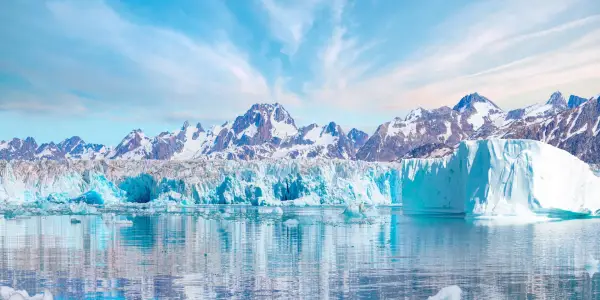
Breakthrough Research Unveils Thermal Convection...

Tehran on the Brink: Water Crisis Highlights...

The Overlooked Link Between Climate Change and...

Palantir's CEO Alex Karp Defends Company’s...
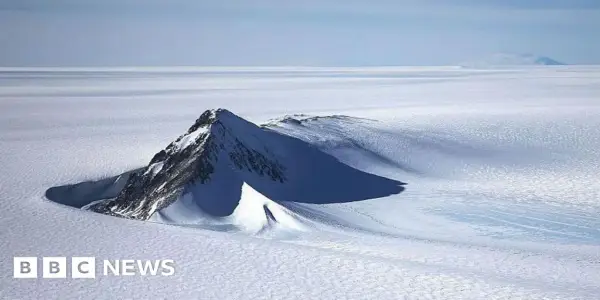
New Mapping of Antarctica's Subglacial Landscape...

Tragic Cargo Plane Crash in Kentucky Claims Lives...

Introducing the Clamshell Writer Deck: A Focused...
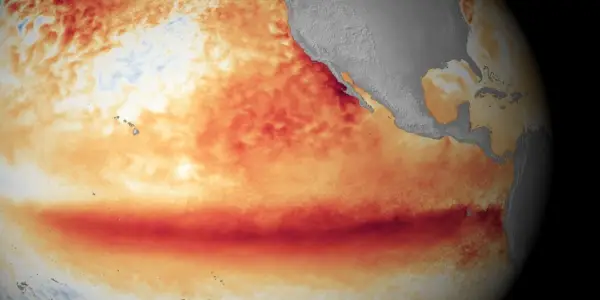

Experts Caution Against Solar Geoengineering:...

Foldable Phones on the Rise: 2026 Expected to...

Unprecedented Strength of Hurricane Melissa Marks...

Bill Gates's Climate Remarks Spark Controversy...

Puffins Make Historic Return to Isle of Muck...

Sex Workers Launch 'Anti-OnlyFans' Platform to...
Projected Plastic Waste to Exceed 280 Million...
UN Treaty for High Seas Conservation Now Effective

U.S. Fish and Wildlife Service's Plan to Cull...

Council of Europe Chief Signals Openness to...