UK Anticipates Warmer Summer with Increased Likelihood of Heatwaves
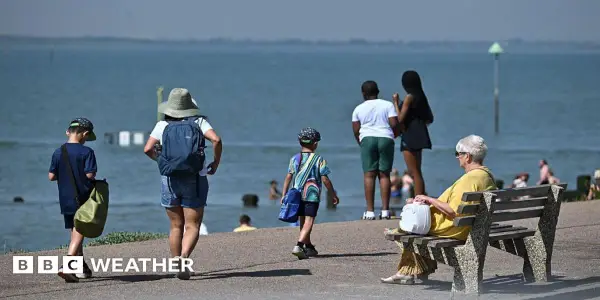
The Met Office forecasts a hotter summer with heightened heatwave risk, following record-breaking temperatures and climate trends.
In-depth analysis
Current environmental changes
The latest forecast from the Met Office indicates that the UK will face a summer characterized by above-average temperatures and an increased likelihood of heatwaves. This trend follows a record-setting late spring heatwave, suggesting that warmer conditions may persist through August, reflecting broader climate change effects.
Impact on society
The anticipated heatwaves pose significant risks to public health, agriculture, and energy consumption, potentially straining resources and affecting crop yields across the country.
Policy implications
This forecast highlights the urgent need for policymakers to address climate resilience strategies. Enhanced preparedness measures for heat-related health issues and resource management will be essential to mitigate the impacts of prolonged high temperatures.
Future outlook
As temperature trends continue to rise, ongoing monitoring will be vital. Understanding these changes will help anticipate long-term effects on the UK's climate and inform necessary adaptations.
Did you know?
Why this concerns all of us
The expected rise in summer temperatures in the UK is more than just a weather forecast; it's a wake-up call for our daily lives. Heatwaves can disrupt everything from school schedules to outdoor work, affecting productivity and well-being. Vulnerable populations, such as the elderly and those with health issues, face heightened risks. Additionally, increasing temperatures strain energy resources, impacting electricity costs and availability, which can lead to broader economic consequences for everyone.
Nature's hidden secret
Did you know that the UK’s average summer temperature has risen by about 1°C since the late 20th century? This seemingly small shift has significant impacts, as it alters ecosystems, affects wildlife behavior, and influences agricultural cycles, making it a crucial factor in understanding climate change.
The person whose life climate changed
Meet Sarah Thompson, a 72-year-old retiree living in South London. This summer's heatwaves strike a personal chord with her, as she recalls the heat health alerts that made her fearful of venturing outside. With a history of heart problems, extreme temperatures are not just uncomfortable; they pose real health risks. Sarah’s garden, once a thriving sanctuary, now suffers under the relentless sun, affecting her mental well-being. She often feels isolated, as friends hesitate to visit during peak heat. Sarah's story highlights how climate change is reshaping not only the environment but also the lives of individuals, especially those most vulnerable.
Expert Commentary
New Delhi Suffers Severe Air Pollution Following...
The Limitations of Carbon Credits in Combating...

Rerouted Shipping Offers Unique Insights into...
Intensified Competition Threatens African...

Golden Hare from Iconic Treasure Hunt Fetches...

Addressing API Overload: A Developer's Confession

Can New Alcohol Warning Labels Shift Ireland's...

Sex Workers Launch 'Anti-OnlyFans' Platform to...

California's Proposition 50: Voters Set to...
Key Insights Ahead of COP30 Summit in Brazil: A...
Navigating Climate Distress Amid Brain Injury...

Dezeen Jobs Launches Initiative to Celebrate...
Understanding Climate Change: The Need for...

New Report Highlights Risks of Marine Carbon...

Massive Leak Exposes 183 Million Email Passwords:...

The Bugatti Veyron's Unique Oil Change: A Costly...

Protests and Food Safety Concerns Challenge...

KDE Plans to Phase Out X11 Support in Upcoming...

Top Five Books Exploring the Intersection of...

Tragic Cargo Plane Crash in Kentucky Claims Lives...
Revisiting India's Air Quality Standards Amid...
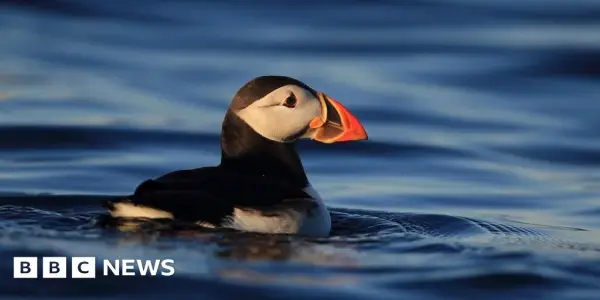
Puffins Make Historic Return to Isle of Muck...

The Impact of US Withdrawal on Global Climate...

Portalgraph Revolutionizes 3D Visualization with...

Revitalizing Wellness at Fairmont Chateau Lake...
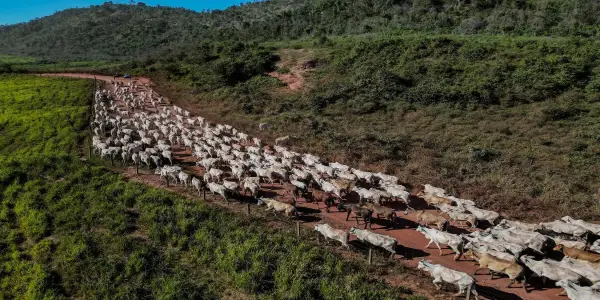
Deforestation-Free Beef: A Sustainable Approach...
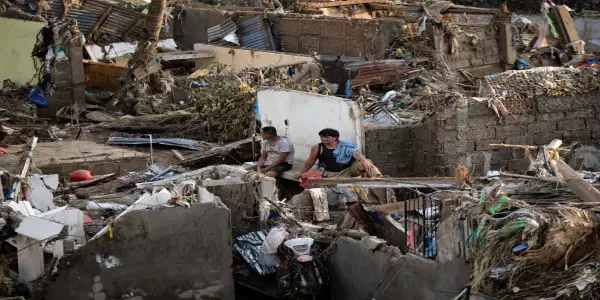
UN Warns 2025 Expected to Rank Among Hottest...
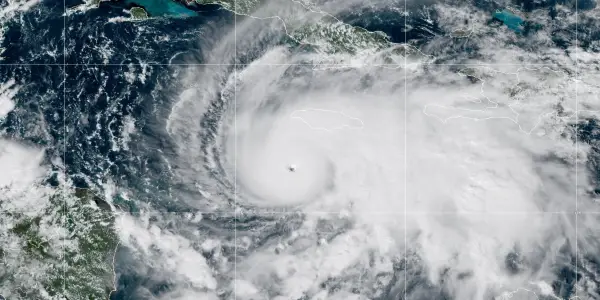
The Rapid Intensification of Hurricane Melissa...
Revival of Wild Turkeys: A Conservation Triumph...
Global Rice Yields Plummet Due to Extreme...
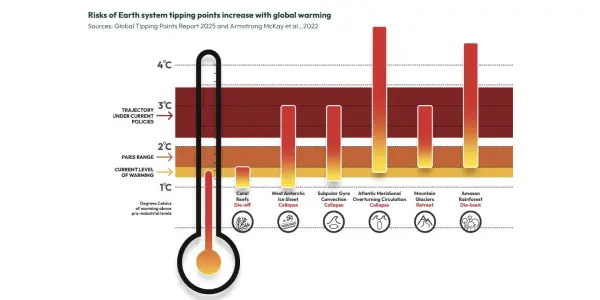
New Report Indicates Coral Reefs May Have Reached...

Pacific Nations Set Ambitious Goal for 100%...

U.S. Fish and Wildlife Service's Plan to Cull...

Exploring Climate Change Through Sound: The Role...

Japanese Trade Group, Including Studio Ghibli,...

Joe Swash Opens Up About the Challenges of Being...

Residential ZIP Codes Linked to Increased...
UN Treaty for High Seas Conservation Now Effective

AI Unveils Hidden Lion Roar, Revolutionizing...
Trump's Environmental Policies Could Lead to 1.3...