UN Warns 2025 Expected to Rank Among Hottest Years on Record
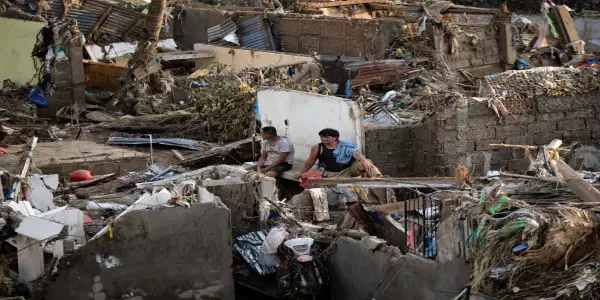
The UN warns that 2025 may be one of the hottest years on record, intensifying the climate crisis and threatening ecosystems and human livelihoods globally.
In-depth analysis
Current environmental changes
The United Nations warns that 2025 is expected to be among the hottest years on record, intensifying the climate crisis. With greenhouse gas levels at unprecedented heights, global temperatures are set to rise further, threatening ecosystems and human livelihoods. Extreme weather events, including floods and heatwaves, are becoming more frequent and severe, highlighting the urgent need for action.
Impact on society
Rising global temperatures are exacerbating economic inequalities and threatening food security. Vulnerable communities face the brunt of climate-related disasters, which can lead to displacement and increased poverty, underscoring the social ramifications of environmental neglect.
Policy implications
The current trajectory of greenhouse gas emissions poses significant challenges to achieving the Paris Agreement's targets. Urgent policy measures are necessary to mitigate climate change effects, including enhancing early warning systems and promoting sustainable practices, particularly in developing nations.
Future outlook
If current trends continue, the likelihood of surpassing critical temperature thresholds increases, potentially leading to irreversible environmental damage. Immediate global cooperation and innovative solutions are essential to avert the worst outcomes of climate change.
Did you know?
Why this concerns all of us
The UN's warning about 2025 being potentially the hottest year impacts everyone, from farmers facing unpredictable weather to urban dwellers experiencing more heatwaves. Rising temperatures can lead to crop failures, increased food prices, and health risks, particularly for vulnerable communities. This is not just an environmental issue; it directly threatens our economic stability and well-being, highlighting the urgent need for collective action.
Nature's hidden secret
Did you know that the oceans absorb about 30% of the carbon dioxide produced by human activities? This process helps mitigate climate change, but it also leads to ocean acidification, threatening marine life. As the oceans become more acidic, coral reefs and shellfish are at risk, disrupting entire ecosystems and the livelihoods of those who depend on them.
The person whose life climate changed
Meet Maria Torres, a small-scale coffee farmer in Colombia. Over the past decade, she has witnessed her once-thriving crops wilt under increasingly erratic weather patterns. Last year, heavy rains destroyed half of her harvest, leaving her family struggling to make ends meet. Maria's story is a stark reminder of how climate change transforms lives, pushing many into poverty and forcing them to seek new, often uncertain paths. Her resilience, however, shines through as she joins local cooperatives advocating for sustainable farming practices, determined to adapt and fight for her community's future.
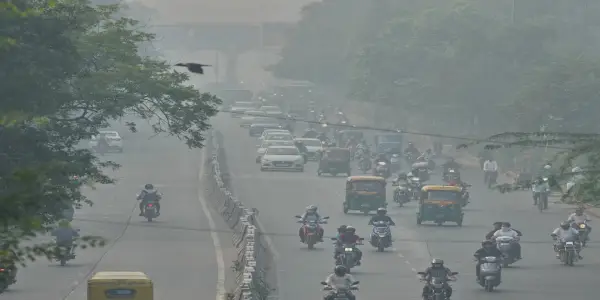
New Delhi Suffers Severe Air Pollution Following...

New Report Highlights Risks of Marine Carbon...

Doom's Programming Error Sparks Renewed Interest...

Golden Hare from Iconic Treasure Hunt Fetches...

Innovative Approach to Sustainable Living: The...

Portalgraph Revolutionizes 3D Visualization with...

Debate Over Genetic Engineering of Wildlife:...

OpenAI Unveils Ambitious Vibe Coding Initiative,...

Revisiting Pan-African Aspirations Through the...

Pacific Nations Set Ambitious Goal for 100%...

Massive Leak Exposes 183 Million Email Passwords:...

The Bugatti Veyron's Unique Oil Change: A Costly...

Impact of Global Warming on Reptile Sex Ratios...

Tehran on the Brink: Water Crisis Highlights...
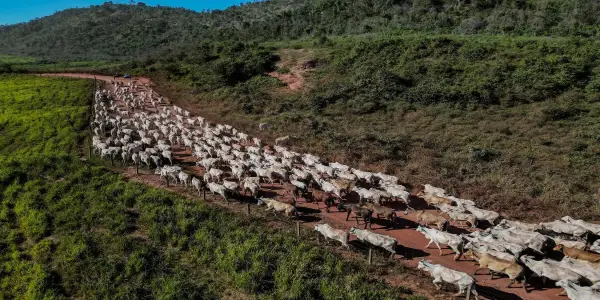
Deforestation-Free Beef: A Sustainable Approach...

Cate Blanchett Joins Festive Guest Editors for...

Augusta Township Residents Mobilize Against...

South Africa's G20 Agenda: Addressing Debt,...

Emerging Superfoods from the Amazon: Beyond Açaí

Preserving Modern Jewelry and Vintage Heirlooms:...

Conspiracy Theories Divert Attention from Genuine...

Brian Greene to Host Inaugural Global Space...

India's Climate Adaptation Fund Faces Budget Cuts...

Startup Aims to Ignite a New Era in U.S. AI...

Rikako Nagashima's Wool Calendars Highlight...

Bill Gates's Climate Remarks Spark Controversy...

California's Proposition 50: Voters Set to...

Rising Temperatures Intensify Skin Conditions...

Revival of Wild Turkeys: A Conservation Triumph...

The Shift in Climate Discourse: Navigating the...

Peaky Blinders: A Catalyst for West Midlands...

Sex Workers Launch 'Anti-OnlyFans' Platform to...

Perrier-Jouët and Design Miami Launch Inaugural...
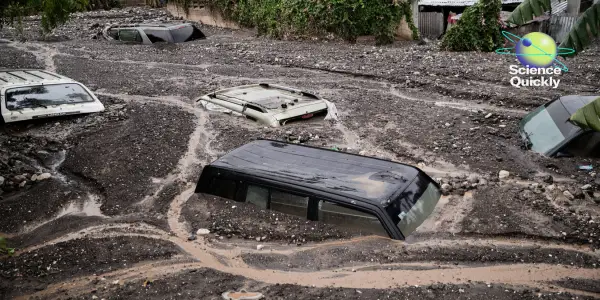
Unprecedented Strength of Hurricane Melissa Marks...
The Overlooked Link Between Climate Change and...

Revolutionizing Camping: Solar-Powered Tent...

Key Insights on the Future of Electricity Demand...

Bill Gates Advocates for Innovation as Key to...

The Hidden Costs of Men's Alcohol Consumption on...

Joe Swash Opens Up About the Challenges of Being...