New Research Reveals Complex Factors Behind the Maya Civilization's Decline

A comprehensive study indicates that the collapse of Classic Maya cities resulted from a combination of climate change, conflict, and agricultural economics, rather than drought alone.
In-depth analysis
Current environmental changes
Recent studies reveal that the decline of the Classic Maya civilization was influenced by a combination of climate fluctuations, rather than solely by drought. Researchers found that environmental changes, such as climate downturns, significantly impacted urban growth and the sustainability of agricultural practices within Maya cities, highlighting a complex interplay of factors.
Impact on society
The findings indicate that urbanization in the Classic Maya period fostered inequality and social conflict, as increased competition for resources and exposure to diseases became prevalent. Consequently, these societal pressures contributed to a shift in population dynamics, with many individuals choosing to leave urban centers.
Policy implications
Understanding the multifaceted causes behind the rise and fall of ancient civilizations can inform contemporary urban planning and resource management. Policymakers can benefit from recognizing the importance of integrating environmental, social, and economic factors to create sustainable urban environments that can withstand future challenges.
Future outlook
The research opens avenues for further exploration into urban development patterns across different historical contexts. By applying similar analytical frameworks to other ancient societies, scholars may uncover additional insights into the complex dynamics that influence urbanization and societal resilience.
Did you know?
Why this concerns all of us
This research into the Classic Maya civilization reveals essential lessons about urban development and sustainability that resonate today. As cities worldwide grapple with climate change, resource scarcity, and social inequalities, understanding the complexities that led to the rise and fall of ancient cities can inform modern urban planning. It highlights the need to balance growth with environmental stewardship and social equity, essential for thriving communities.
Nature's hidden secret
Surprisingly, the Classic Maya civilization was not solely dependent on maize; they cultivated over 50 different crops, including fruits, vegetables, and medicinal plants. This agricultural diversity allowed them to adapt to changing climates and maintain resilience, showcasing how varied food systems can support societies in the face of environmental challenges.
The person whose life climate changed
Maria Lopez, a descendant of the Maya, feels a deep connection to her ancestors as she tends her family's small farm in southern Mexico. Growing up, she learned about the ancient cities and their remarkable achievements, but the recent findings about climate impacts resonate with her daily struggles. As she faces shifting weather patterns that threaten her crops, Maria draws inspiration from her ancestors' adaptability. Their journey reflects her own as she navigates the challenges of modern farming, blending traditional practices with new techniques. Maria believes that understanding the past can guide her community in creating sustainable agricultural practices, ensuring that the lessons of the Maya will not be forgotten.

Study Reveals Airborne Microplastics May...
South Africa's G20 Agenda: Addressing Debt,...

Impact of Global Warming on Reptile Sex Ratios...

Pipeline Dispute Challenges Canada's Energy...

Antarctic Robot Explorer Surfaces After Eight...
Lawsuit Alleges Tesla Wrongfully Terminated Deaf...

Sex Workers Launch 'Anti-OnlyFans' Platform to...

Tehran on the Brink: Water Crisis Highlights...
Understanding the Urgency of Climate Change: Key...

Decline in Indian Passport Ranking Despite...

Fisher Makes Historic Return to Ohio Forests...

Can New Alcohol Warning Labels Shift Ireland's...
Comprehensive 3D Map Showcases Every Building on...

Exploring the Depths of Human Connection: Ursula...

Golden Hare from Iconic Treasure Hunt Fetches...
Recent Study Indicates Accelerated Pace of Global...

New Mapping of Antarctica's Subglacial Landscape...
Scientists Warn Earth Has Reached Critical...
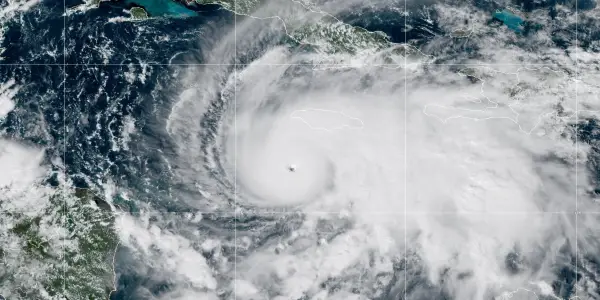
The Rapid Intensification of Hurricane Melissa...

Chronic Diseases in Animals Mirror Human Health...

Pacific Nations Set Ambitious Goal for 100%...

The Economic Risks of Abruptly Halting Solar...
Navigating Climate Distress Amid Brain Injury...

The Crucible: A Test of Nerves in Snooker's Most...

Massive Leak Exposes 183 Million Email Passwords:...

Revitalizing Wellness at Fairmont Chateau Lake...

OnePlus 15R Poised to Redefine Battery Life...
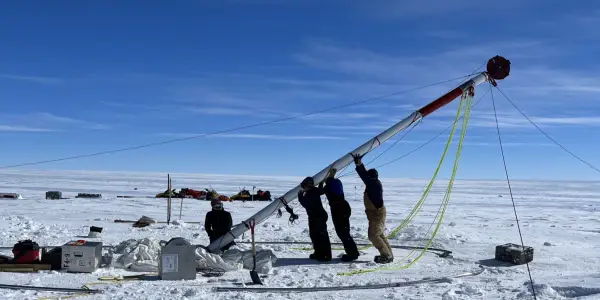
Ancient Ice Sample Reveals 6 Million-Year-Old Air...
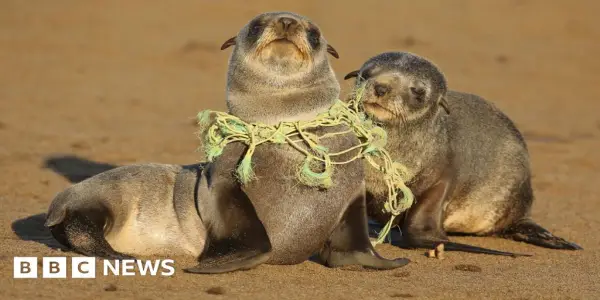
The Deadly Impact of Plastic Ingestion on Marine...

Council of Europe Chief Signals Openness to...
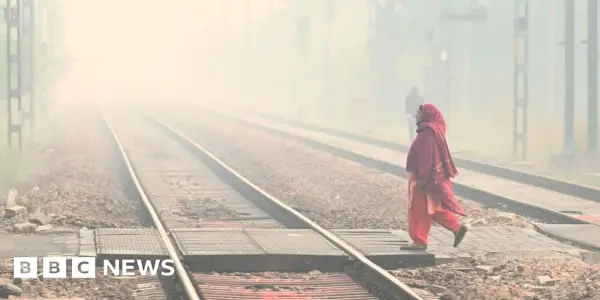
Revisiting India's Air Quality Standards Amid...

Top Five Books Exploring the Intersection of...
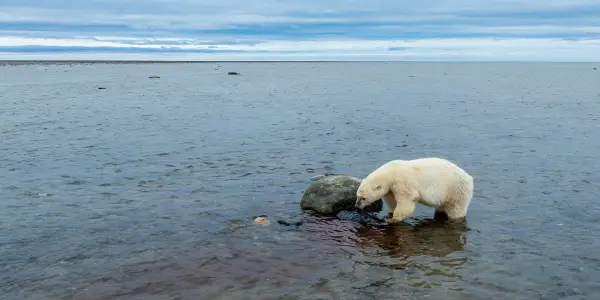
Reevaluating the Polar Bear Narrative Amid...
Accelerating Climate Impacts Could Lead to...

AI Unveils Hidden Lion Roar, Revolutionizing...

KDE Plans to Phase Out X11 Support in Upcoming...
Global Climate Action in the Absence of the US: A...

Zaha Hadid Architects' Yidan Center Reaches...

Teachers' Unions Take a Stand Against Climate...

Lab Gloves May Complicate Microplastics Research,...