The Alarming Impact of Extreme Heat on Human Health

As the U.S. faces a severe heatwave, understanding its health implications is crucial for safety and awareness.
In-depth analysis
Current environmental changes
The United States is currently enduring a significant heatwave, marked by record-breaking temperatures that coincide with the Fourth of July festivities. This extreme weather event highlights a troubling trend, as heatwaves become increasingly frequent and severe, raising alarms about their implications for public health and safety in a warming climate.
Impact on society
The heatwave poses serious health risks, particularly for vulnerable populations such as the elderly and outdoor workers. Symptoms of heat-related illnesses can lead to increased hospitalizations and fatalities, straining healthcare systems already under pressure.
Policy implications
The rise in extreme heat events necessitates urgent policy responses focused on public health and safety. Strategies may include enhancing urban infrastructure to mitigate heat effects, implementing educational campaigns on hydration, and ensuring access to cooling centers for at-risk populations.
Future outlook
As global temperatures continue to rise, the frequency and intensity of heatwaves are likely to increase. This trend underscores the need for ongoing research into the health impacts of extreme heat and the development of adaptive strategies to protect vulnerable communities.
Did you know?
Why this concerns all of us
As heatwaves intensify, their impact reverberates through our daily lives. From disrupted outdoor plans to increased healthcare costs, extreme heat affects everyone. Vulnerable groups like the elderly or outdoor laborers face greater risks, potentially leading to tragic outcomes. Communities must adapt by ensuring public spaces offer shade and hydration, reinforcing the need for collective action to safeguard public health.
Nature's hidden secret
Did you know that the human body can suffer from heat-related illnesses even at relatively moderate temperatures? Studies show that high humidity can prevent sweat from evaporating efficiently, making temperatures feel significantly hotter and increasing the risk of heat exhaustion and heatstroke, even when the thermometer reads just 80°F (27°C).
The person whose life climate changed
Maria Gonzalez, a 72-year-old retiree from Phoenix, faced a summer unlike any other. With temperatures soaring past 115°F (46°C), her daily routine shifted dramatically. Once an avid gardener, Maria now struggles to maintain her plants and ventures outside only during the early morning. The heat has not only affected her physical health, increasing her anxiety and fatigue, but also her social life. Longtime friends have stopped meeting for afternoon tea, fearing the oppressive heat. Maria’s story highlights the urgent need for community support systems to protect vulnerable populations from the escalating impacts of climate change.
Expert Commentary
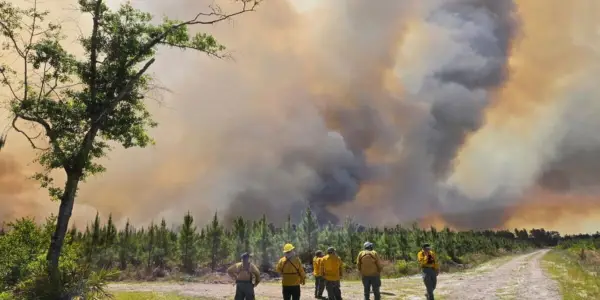
Hurricanes and Droughts: A Dangerous Connection...

Massive Leak Exposes 183 Million Email Passwords:...

Japanese Trade Group, Including Studio Ghibli,...

Experts Caution Against Solar Geoengineering:...

Palantir's CEO Alex Karp Defends Company’s...

Perrier-Jouët and Design Miami Launch Inaugural...

Exploring the Depths of Human Connection: Ursula...

Council of Europe Chief Signals Openness to...

Golden Hare from Iconic Treasure Hunt Fetches...

Can New Alcohol Warning Labels Shift Ireland's...

Scientists Warn Earth Has Reached Critical...

The Emerging Debate on Geoengineering: A Call for...

Urgent Action Needed as Scientists Warn of...

Accelerating Climate Impacts Could Lead to...

The Consensus Model at UN Climate Talks: An...
Deforestation-Free Beef: A Sustainable Approach...

Marvel Gears Up for a Major Avengers Event:...

Lab Gloves May Complicate Microplastics Research,...

Teachers' Unions Take a Stand Against Climate...

Dezeen Jobs Launches Initiative to Celebrate...
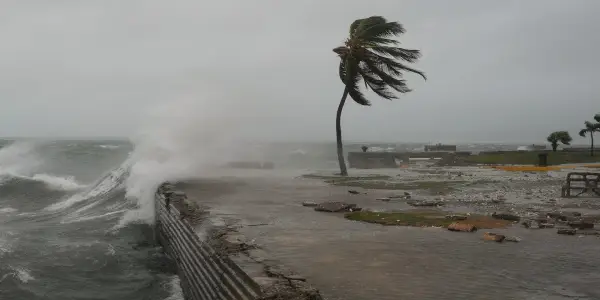
Hurricane Melissa Marks a Historic Category 5...

Doom's Programming Error Sparks Renewed Interest...

Advocating for Forest Sovereignty: A Call for...

The Overlooked Link Between Climate Change and...
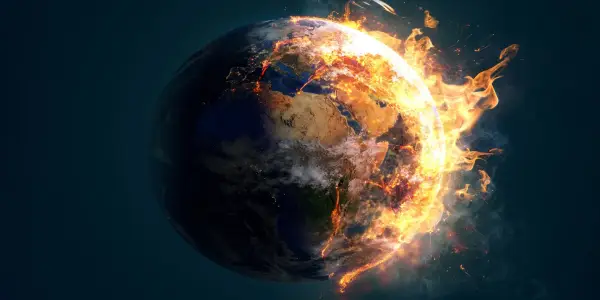
Recent Study Indicates Accelerated Pace of Global...
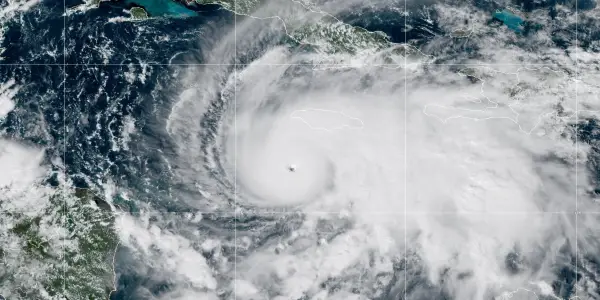
The Rapid Intensification of Hurricane Melissa...

Sex Workers Launch 'Anti-OnlyFans' Platform to...
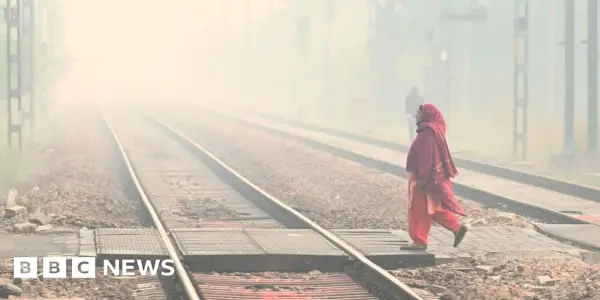
Revisiting India's Air Quality Standards Amid...
Trump's Environmental Policies Could Lead to 1.3...

Foldable Phones on the Rise: 2026 Expected to...
Unexpected Shift in North Pacific Storm Track...

AI's Water Consumption May Soon Match That of 10...
The Resilient Desert Flora Thrives in Extreme...

Meta Enhances Smart Glasses with Garmin and...

Zaha Hadid Architects' Yidan Center Reaches...

Global Rice Yields Plummet Due to Extreme...

Revitalizing Wellness at Fairmont Chateau Lake...

OpenAI Introduces 'Group Chats' Feature in...