The Consensus Model at UN Climate Talks: An Obstacle to Progress

The consensus requirement at United Nations climate negotiations has hindered meaningful action on climate change for decades, prompting experts to call for a reevaluation of decision-making processes.
In-depth analysis
Current environmental changes
The urgency of climate action has escalated significantly, with greenhouse gas emissions rising despite global commitments under the Paris Agreement. Recent reports suggest that national pledges could lead to a temperature increase of up to 3 degrees Celsius, far surpassing the 1.5-degree target, highlighting the inadequacies of the current consensus-driven approach.
Impact on society
The stalling of climate initiatives due to the consensus model poses serious risks to global communities, particularly those vulnerable to climate change. The failure to implement robust policies exacerbates existing inequalities and threatens livelihoods worldwide.
Policy implications
The ongoing challenges within the COP framework call for a reevaluation of decision-making processes, particularly the need for a voting mechanism. Without substantial reforms, the status quo will likely persist, hindering effective climate policies and delaying necessary action against climate change.
Future outlook
Without significant changes to the consensus model, the prospects for meaningful climate action remain bleak. The growing calls for reform reflect a critical moment where stakeholders must decide between maintaining current practices or embracing a more effective governance structure.
Did you know?
Why this concerns all of us
The paralysis at COP meetings affects everyone, from coastal communities facing rising sea levels to farmers grappling with unpredictable weather. The failure to reach meaningful agreements means more extreme weather events, food shortages, and health crises. If decision-makers continue to stall, the consequences will ripple through our daily lives, influencing everything from food prices to housing stability.
Nature's hidden secret
Despite being a vital carbon sink, the world's oceans absorb about 30% of carbon dioxide emissions, leading to ocean acidification. This process threatens marine ecosystems and, ultimately, the livelihoods of millions who depend on fishing and tourism. It's a stark reminder that our climate actions have far-reaching implications.
The person whose life climate changed
Meet Amina Rahman, a 32-year-old rice farmer from Bangladesh. Over the past decade, she has witnessed her fields flood more frequently due to rising sea levels. Each harvest season, Amina faces uncertainty, worrying about crop yields and her family's future. She recalls a recent COP conference where she shared her experiences, emphasizing that the decisions made far away in boardrooms impact her daily life. Amina believes that the voices of vulnerable communities must be heard in climate negotiations, as they are on the front lines of this crisis. Her story illustrates the urgent need for a more effective decision-making process that prioritizes action over consensus.
Decline in Indian Passport Ranking Despite...
Reevaluating the Polar Bear Narrative Amid...

KDE Plans to Phase Out X11 Support in Upcoming...

Dezeen Jobs Launches Initiative to Celebrate...

Recent Study Indicates Accelerated Pace of Global...

Impact of Global Warming on Reptile Sex Ratios...
India's Climate Adaptation Fund Faces Budget Cuts...

Fisher Makes Historic Return to Ohio Forests...

Experts Caution Against Solar Geoengineering:...

UK Prepares for Cold Snap with Snow Forecasts...
Ancient Ice Sample Reveals 6 Million-Year-Old Air...

Urgent Action Needed as Scientists Warn of...

Study Reveals Airborne Microplastics May...

Exploring the Depths of Human Connection: Ursula...
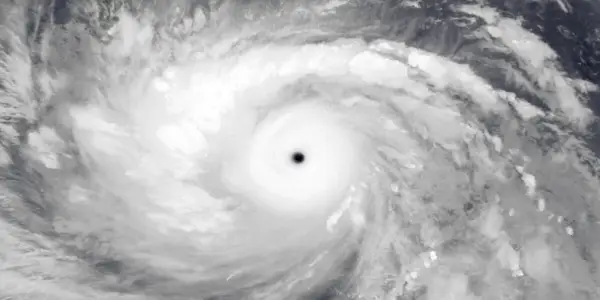
Emerging Ocean Hotspots Heighten Risk of...

Introducing the Clamshell Writer Deck: A Focused...

Exploring Climate Change Through Sound: The Role...
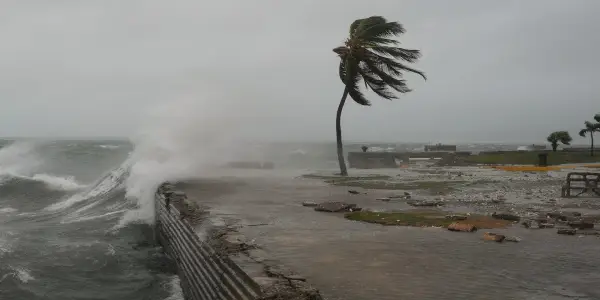
Hurricane Melissa Marks a Historic Category 5...

New Report Highlights Risks of Marine Carbon...

Zaha Hadid Architects' Yidan Center Reaches...

Chronic Diseases in Animals Mirror Human Health...
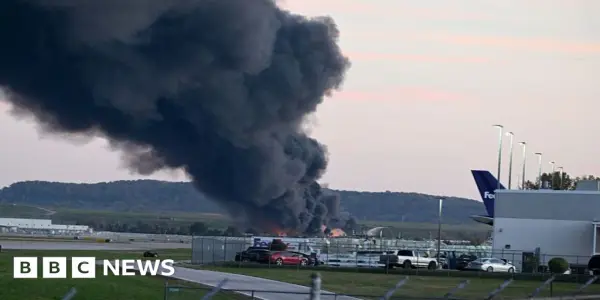
Tragic Cargo Plane Crash in Kentucky Claims Lives...

The Consensus Model at UN Climate Talks: An...

Japanese Trade Group, Including Studio Ghibli,...
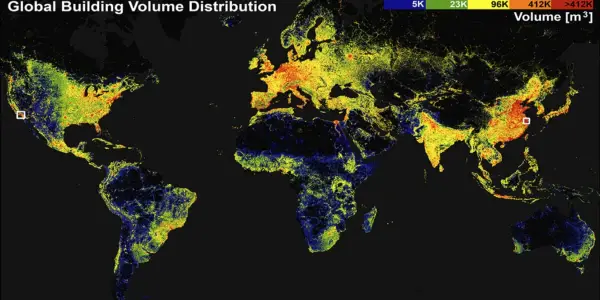
Comprehensive 3D Map Showcases Every Building on...
Hurricanes and Droughts: A Dangerous Connection...

The Shift in Climate Discourse: Navigating the...

Pacific Nations Set Ambitious Goal for 100%...
New Mapping of Antarctica's Subglacial Landscape...

Golden Hare from Iconic Treasure Hunt Fetches...
Unprecedented Strength of Hurricane Melissa Marks...
The Overlooked Link Between Climate Change and...
Antarctic Robot Explorer Surfaces After Eight...
Key Outcomes from COP30: Innovations in...

Top Five Books Exploring the Intersection of...

Revolutionizing Ocean Research: Robotic Floats...
Scientists Warn Earth Has Reached Critical...
Breakthrough Research Unveils Thermal Convection...