WHO Reports 1,300 Deaths Linked to Europe’s Record Heatwave as Germany Reaches 41.7°C

The WHO warns of inadequate preparedness for extreme heat in Europe amid a severe heatwave causing widespread health concerns.
In-depth analysis
Current environmental changes
Europe is experiencing an unprecedented early summer heatwave, with temperatures soaring to record highs, such as 41.7°C in Germany. This extreme weather phenomenon, exacerbated by climate change, has led to significant public health concerns, highlighting the continent's vulnerability as it faces rising temperatures that are nearly double the global average.
Impact on society
The heatwave has resulted in approximately 1,300 excess deaths across Europe, disproportionately affecting vulnerable groups like the elderly. Increased heat-related illnesses have prompted health warnings and public safety measures.
Policy implications
The current heatwave emphasizes the urgent need for governments to enhance infrastructure resilience and public health strategies. Policymakers must prioritize climate adaptation measures to protect communities from the escalating risks associated with extreme weather events.
Future outlook
As climate change continues to intensify, Europe is likely to face more frequent and severe heatwaves. This necessitates a reevaluation of public health preparedness and infrastructure to mitigate future impacts on society.
Did you know?
Why this concerns all of us
The rising temperatures in Europe aren’t just a seasonal anomaly; they signal a dangerous shift in our climate that impacts everyone. From disrupted agriculture leading to food shortages to increased energy costs from air conditioning demands, the ripple effects reach into daily life. Vulnerable populations, especially the elderly and those with preexisting health conditions, are at greater risk, reminding us that public health is intertwined with environmental conditions.
Nature's hidden secret
Many may not realize that urban areas can be up to 5°C hotter than surrounding rural areas due to the 'urban heat island' effect. This phenomenon occurs when buildings and roads absorb and retain heat, exacerbating the impact of heatwaves. As cities grow, understanding this effect becomes crucial for developing effective heat mitigation strategies.
The person whose life climate changed
Marie Lefèvre, a 78-year-old resident of Lyon, France, faced a harrowing experience during this summer's heatwave. Living alone, she struggled with the extreme temperatures, which intensified her existing health issues. With no air conditioning, Marie found herself confined indoors, growing increasingly anxious as the heat persisted. Tragically, she suffered a heat-related illness that could have been avoided with better community resources. Her story highlights the urgency of addressing the needs of vulnerable individuals in our climate response strategies, emphasizing that behind every statistic, there is a human life affected by these unprecedented changes.
Expert Commentary

New Lancet Report Reveals Alarming Impact of...

The Crucible: A Test of Nerves in Snooker's Most...
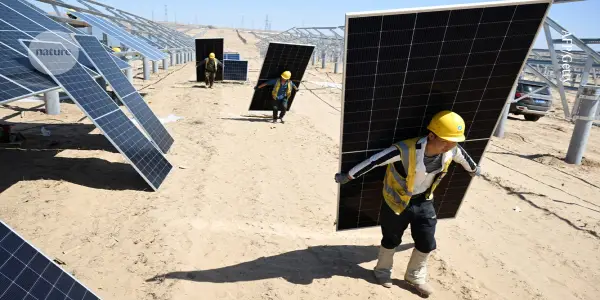
Global Climate Action in the Absence of the US: A...

Guide to Setting Up and Customizing Gemini Raise...

Ancient Tools Illuminate Early Human Innovation...
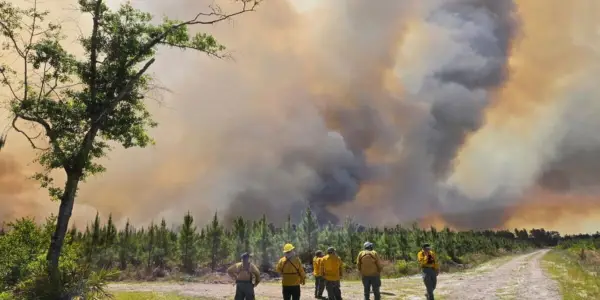
Hurricanes and Droughts: A Dangerous Connection...

Residential ZIP Codes Linked to Increased...

Doom's Programming Error Sparks Renewed Interest...

The Shift in Climate Discourse: Navigating the...
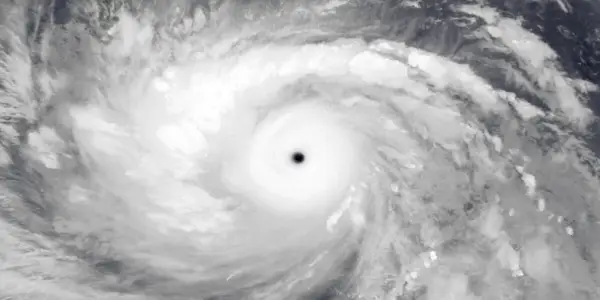
Emerging Ocean Hotspots Heighten Risk of...


£9 Billion Government Initiative to Revamp...

The Economic Risks of Abruptly Halting Solar...

Spring Studio Integrates Biomaterials for...

Palantir's CEO Alex Karp Defends Company’s...

The Overlooked Link Between Climate Change and...

Study Reveals Airborne Microplastics May...

Massive Leak Exposes 183 Million Email Passwords:...

Breakthrough Research Unveils Thermal Convection...

UK Prepares for Cold Snap with Snow Forecasts...
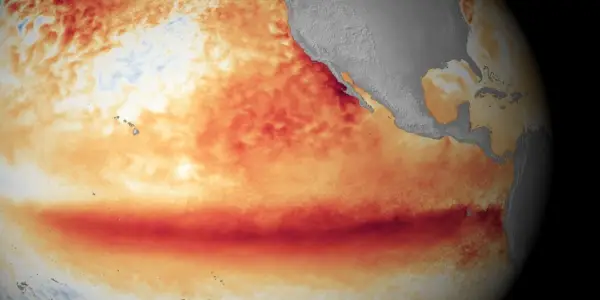
Unprecedented Strength of Hurricane Melissa Marks...

OpenAI Introduces 'Group Chats' Feature in...

AI's Water Consumption May Soon Match That of 10...

The Consensus Model at UN Climate Talks: An...
Projected Plastic Waste to Exceed 280 Million...

Zaha Hadid Architects' Yidan Center Reaches...

Exploring the Depths of Human Connection: Ursula...

Dezeen Jobs Launches Initiative to Celebrate...
Ancient Ice Sample Reveals 6 Million-Year-Old Air...
Recent Study Indicates Accelerated Pace of Global...

Can New Alcohol Warning Labels Shift Ireland's...

Experts Caution Against Solar Geoengineering:...

Key Insights on the Future of Electricity Demand...

Impact of Global Warming on Reptile Sex Ratios...

AI Unveils Hidden Lion Roar, Revolutionizing...

Scientists Warn Earth Has Reached Critical...

Lab Gloves May Complicate Microplastics Research,...

Decline in Indian Passport Ranking Despite...