Lab Gloves May Complicate Microplastics Research, Study Shows
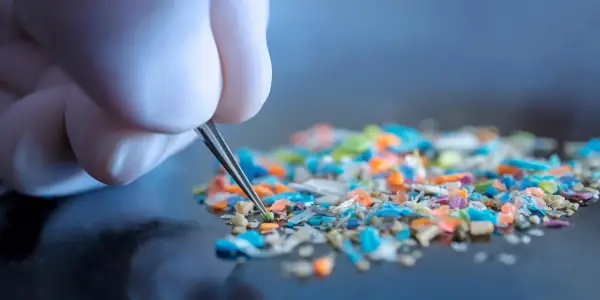
A University of Michigan study reveals that common lab gloves could be inflating microplastics pollution estimates, impacting environmental research accuracy.
In-depth analysis
Current environmental changes
Recent findings from the University of Michigan reveal that nitrile and latex gloves used in laboratories may be contributing to inflated microplastics pollution estimates. These gloves release stearates, mimicking microplastics and contaminating environmental analysis tools. This contamination raises significant concerns regarding the accuracy of ongoing research into microplastics, a pressing environmental issue over the last decade.
Impact on society
Inflated microplastics pollution estimates can misguide public policy and environmental awareness efforts, potentially leading to ineffective strategies for addressing plastic pollution. Accurate data is essential for fostering informed societal responses.
Policy implications
The study highlights the urgent need for revised protocols in microplastics research. Policymakers must consider these findings to enhance data accuracy, ensuring that environmental regulations and interventions are based on reliable scientific evidence.
Future outlook
As researchers develop methods to differentiate between true microplastics and glove-related contaminants, the field may see improved accuracy in data collection. This advancement could reshape current understandings of microplastics pollution and inform more effective environmental strategies.
Did you know?
Why this concerns all of us
The findings from the University of Michigan raise alarms about the reliability of environmental research we rely on for public health and policy decisions. If the tools used to analyze microplastics are contaminated, it could mean that our understanding of pollution levels is fundamentally flawed. This affects everything from the safety of our drinking water to the regulations governing plastic waste, impacting daily life and environmental conservation efforts.
Nature's hidden secret
Stearates, the substances released from common lab gloves, can closely resemble microplastics under microscopic examination, complicating accurate pollution assessments. This unexpected connection highlights how common laboratory materials can inadvertently distort scientific findings, leading to a misleading picture of environmental health.
The person whose life climate changed
Meet Lydia Tran, a high school science teacher in Michigan. Passionate about environmental advocacy, Lydia incorporates microplastics research into her curriculum to inspire her students. After learning about the glove contamination issue, Lydia felt a mix of frustration and determination. 'If our foundational data is flawed, what are we teaching the next generation?' she pondered. This revelation has motivated Lydia to advocate for better lab practices not only in her school but also in local research institutions. She believes that ensuring accurate data is crucial for effective environmental policy and education, empowering her students to be informed stewards of the planet.
Expert Commentary

Breakthrough Research Unveils Thermal Convection...

Doom's Programming Error Sparks Renewed Interest...

UN Treaty for High Seas Conservation Now Effective
The Deadly Impact of Plastic Ingestion on Marine...

The Overlooked Link Between Climate Change and...
Revolutionizing Ocean Research: Robotic Floats...

Pipeline Dispute Challenges Canada's Energy...

Scientists Warn Earth Has Reached Critical...

Japanese Trade Group, Including Studio Ghibli,...

Bill Gates's Climate Remarks Spark Controversy...

Key Insights on the Future of Electricity Demand...
Guide to Setting Up and Customizing Gemini Raise...

Foldable Phones on the Rise: 2026 Expected to...

Exploring Climate Change Through Sound: The Role...

AI's Water Consumption May Soon Match That of 10...
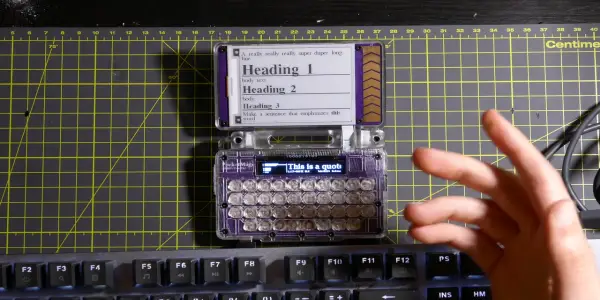
Introducing the Clamshell Writer Deck: A Focused...

Ancient Tools Illuminate Early Human Innovation...

Revitalizing Wellness at Fairmont Chateau Lake...

Revisiting India's Air Quality Standards Amid...

Urgent Action Needed as Scientists Warn of...

Lawsuit Alleges Tesla Wrongfully Terminated Deaf...
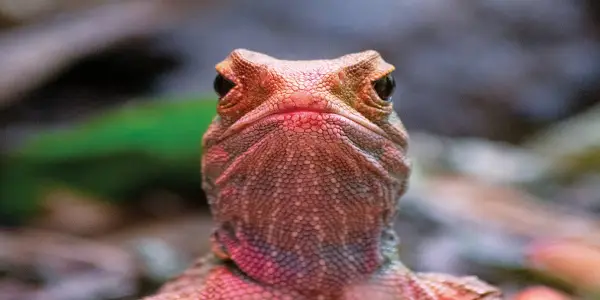
Impact of Global Warming on Reptile Sex Ratios...
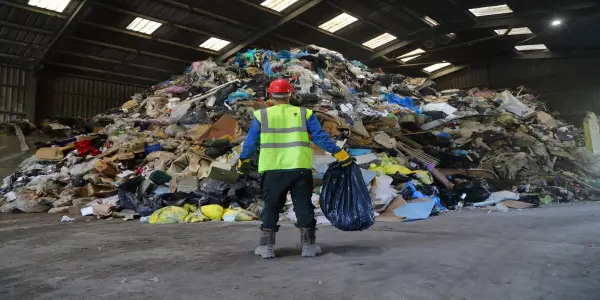
Projected Plastic Waste to Exceed 280 Million...

U.S. Fish and Wildlife Service's Plan to Cull...

The Crucible: A Test of Nerves in Snooker's Most...

UK Prepares for Cold Snap with Snow Forecasts...

Pacific Nations Set Ambitious Goal for 100%...

Global Rice Yields Plummet Due to Extreme...

Unexpected Shift in North Pacific Storm Track...

Exploring the Depths of Human Connection: Ursula...

The Shift in Climate Discourse: Navigating the...

OpenAI Introduces 'Group Chats' Feature in...
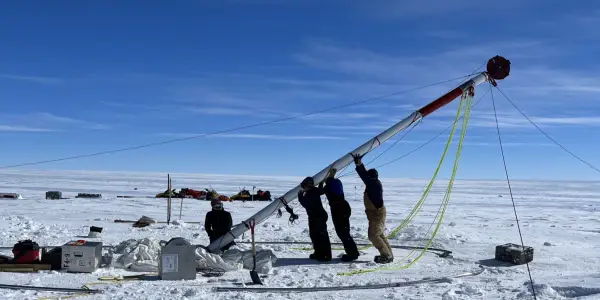
Ancient Ice Sample Reveals 6 Million-Year-Old Air...

Emerging Ocean Hotspots Heighten Risk of...

Zaha Hadid Architects' Yidan Center Reaches...

Palantir's CEO Alex Karp Defends Company’s...

Key Insights Ahead of COP30 Summit in Brazil: A...
Unprecedented Strength of Hurricane Melissa Marks...
Meta Enhances Smart Glasses with Garmin and...

Deforestation-Free Beef: A Sustainable Approach...