Deforestation-Free Beef: A Sustainable Approach for Brazil's Environment and Economy
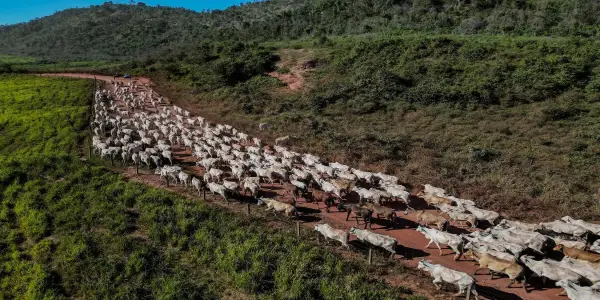
Brazil's Pará state launches a groundbreaking cattle traceability program aimed at transforming the beef industry into a force for conservation and economic...
In-depth analysis
Current environmental changes
Brazil's agribusiness, particularly its beef industry, is significantly impacting the environment, contributing to about 25% of tropical habitat loss annually. The conversion of forests, especially in the Amazon, into cattle ranching areas threatens biodiversity and exacerbates greenhouse gas emissions, which in turn undermines climate stability and agricultural productivity.
Impact on society
The cattle traceability program in Pará not only aims to protect the environment but also enhances economic opportunities. By ensuring sustainable practices, it addresses the dual challenges of deforestation and economic growth, benefiting local communities and stakeholders.
Policy implications
The successful implementation of the cattle traceability initiative highlights the need for robust environmental regulations and market incentives. Policymakers must foster a supportive framework that encourages compliance and promotes sustainable practices within the agricultural sector to mitigate climate change.
Future outlook
If the Pará traceability model proves successful, it could inspire similar initiatives across other regions. This approach may redefine the relationship between conservation and economic development, paving the way for sustainable practices in the global beef supply chain.
Did you know?
Why this concerns all of us
The consequences of Brazil's beef industry extend beyond its borders, impacting global climate patterns and food security. As deforestation accelerates, ecosystems collapse, threatening wildlife and diminishing resources like clean water. For consumers, this translates to higher food prices and a loss of biodiversity that could affect agriculture worldwide. Understanding and supporting sustainable practices in beef production is essential for a healthier planet.
Nature's hidden secret
The Amazon rainforest is often called the 'lungs of the Earth' because it produces 20% of the world’s oxygen. However, it also houses an estimated 390 billion individual trees, many of which have yet to be studied. This incredible biodiversity is crucial for maintaining ecological balance, highlighting the urgent need to protect these ecosystems from deforestation.
The person whose life climate changed
Maria Silva, a 38-year-old cattle rancher in Pará, has witnessed the direct effects of climate change on her land. Once lush pastures became dry and unyielding, forcing her to rethink her farming methods. With the launch of the traceability program, Maria found a new path. By joining the initiative, she not only ensures her cattle are sustainably raised but also accesses premium markets. This shift has revitalized her farm, allowing her family to thrive while protecting the environment. Maria's story exemplifies how embracing sustainable practices can empower individuals and restore hope in communities grappling with climate impacts.

AI Unveils Hidden Lion Roar, Revolutionizing...
UN Treaty for High Seas Conservation Now Effective
Emerging Ocean Hotspots Heighten Risk of...
Understanding the Urgency of Climate Change: Key...
Recent Study Indicates Accelerated Pace of Global...
Tragic Cargo Plane Crash in Kentucky Claims Lives...

Bill Gates's Climate Remarks Spark Controversy...

UK Prepares for Cold Snap with Snow Forecasts...

Exploring Climate Change Through Sound: The Role...
Global Rice Yields Plummet Due to Extreme...
The Resilient Desert Flora Thrives in Extreme...
Revival of Wild Turkeys: A Conservation Triumph...
U.S. Fish and Wildlife Service's Plan to Cull...
Scientists Warn Earth Has Reached Critical...
Hurricane Melissa Marks a Historic Category 5...
India's Climate Adaptation Fund Faces Budget Cuts...

Puffins Make Historic Return to Isle of Muck...
Unexpected Shift in North Pacific Storm Track...
Revolutionizing Ocean Research: Robotic Floats...

The Consensus Model at UN Climate Talks: An...

Revitalizing Wellness at Fairmont Chateau Lake...

Massive Leak Exposes 183 Million Email Passwords:...

OnePlus 15R Poised to Redefine Battery Life...
Japanese Trade Group, Including Studio Ghibli,...

Study Reveals Airborne Microplastics May...

Experts Caution Against Solar Geoengineering:...
Key Outcomes from COP30: Innovations in...
Lawsuit Alleges Tesla Wrongfully Terminated Deaf...

Foldable Phones on the Rise: 2026 Expected to...

Guide to Setting Up and Customizing Gemini Raise...
Residential ZIP Codes Linked to Increased...

The Emerging Debate on Geoengineering: A Call for...
Key Insights Ahead of COP30 Summit in Brazil: A...
Grand Egyptian Museum Unveiled as Torre dei Conti...

The Shift in Climate Discourse: Navigating the...
South Africa's G20 Agenda: Addressing Debt,...

Research Uncovers Factors Behind Weight Gain...

Sex Workers Launch 'Anti-OnlyFans' Platform to...

Meta Enhances Smart Glasses with Garmin and...