Global Health Threat Emerges from Free-Living Amoebas Amid Climate Change
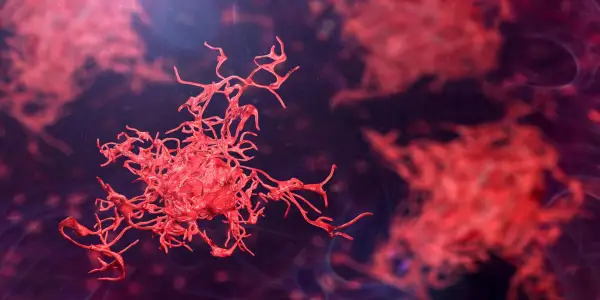
Free-living amoebae are becoming a global health threat as rising temperatures and aging water systems facilitate their spread and potential dangers.
In-depth analysis
Current environmental changes
Free-living amoebae are becoming a significant concern due to environmental shifts such as climate change and aging water infrastructure. Rising global temperatures create optimal conditions for these organisms, enabling their proliferation in previously unaffected regions. The inadequate monitoring of water systems further exacerbates the risk, allowing potentially harmful species to thrive in various habitats.
Impact on society
The presence of free-living amoebae poses serious public health risks, with infections leading to severe health outcomes. Outbreaks linked to recreational water use highlight the urgent need for awareness and preventive measures within communities.
Policy implications
Addressing the threat of free-living amoebae necessitates policy reforms focused on improved water management and monitoring systems. A One Health approach is essential, integrating human health, environmental science, and water infrastructure to effectively tackle the challenges posed by these microorganisms.
Future outlook
As climate change continues to influence environmental conditions, the prevalence of free-living amoebae is likely to increase. Ongoing research and enhanced surveillance will be critical in mitigating their impact on public health and ensuring the safety of water supplies.
Did you know?
Why this concerns all of us
The threat posed by free-living amoebae is not just a scientific concern; it impacts everyday life. As water quality diminishes due to aging infrastructure and climate change, the risk of amoebic infections rises. This means that swimming in lakes or using poorly treated pools could expose families to potentially fatal pathogens. Understanding this risk is crucial for public safety and personal health.
Nature's hidden secret
Free-living amoebae can survive extreme conditions, including boiling water and high salinity, which makes them incredibly resilient. This adaptability allows them to thrive in diverse environments, often unnoticed, posing silent threats to water safety and public health.
The person whose life climate changed
Jessica Martinez, a 34-year-old mother from Florida, experienced a life-altering event when her son contracted a rare infection caused by Naegleria fowleri after swimming in a warm lake. The family was shattered by the sudden loss, highlighting the often-ignored dangers lurking in seemingly benign recreational waters. Jessica now advocates for better water safety education, sharing her story to raise awareness about the hidden risks of free-living amoebae. Her journey from devastation to activism underscores the urgent need for improved water monitoring and public health strategies to prevent similar tragedies.
Expert Commentary

Recent Study Indicates Accelerated Pace of Global...

Cate Blanchett Joins Festive Guest Editors for...

Key Insights on the Future of Electricity Demand...

Exploring Climate Change Through Sound: The Role...
Hurricane Melissa's Death Toll Reaches 28 in...
Protests and Food Safety Concerns Challenge...

Tehran on the Brink: Water Crisis Highlights...

Golden Hare from Iconic Treasure Hunt Fetches...

Top Five Books Exploring the Intersection of...
Hurricanes and Droughts: A Dangerous Connection...

Fisher Makes Historic Return to Ohio Forests...

Heat Flow on Saturn’s Moon Enceladus Suggests...
The Rapid Intensification of Hurricane Melissa...

Perrier-Jouët and Design Miami Launch Inaugural...

Accelerating Climate Impacts Could Lead to...
Ancient Ice Sample Reveals 6 Million-Year-Old Air...
UN Treaty for High Seas Conservation Now Effective
Lawsuit Alleges Tesla Wrongfully Terminated Deaf...
Emerging Ocean Hotspots Heighten Risk of...

Council of Europe Chief Signals Openness to...
Global Climate Action in the Absence of the US: A...

Meta Enhances Smart Glasses with Garmin and...
Revival of Wild Turkeys: A Conservation Triumph...

Can New Alcohol Warning Labels Shift Ireland's...
Decline in Indian Passport Ranking Despite...

South Africa's G20 Agenda: Addressing Debt,...

Japanese Trade Group, Including Studio Ghibli,...

Puffins Make Historic Return to Isle of Muck...
Understanding the Urgency of Climate Change: Key...
Breakthrough Research Unveils Thermal Convection...

Chronic Diseases in Animals Mirror Human Health...

Revisiting India's Air Quality Standards Amid...

Study Reveals Airborne Microplastics May...

£9 Billion Government Initiative to Revamp...

Emerging Superfoods from the Amazon: Beyond Açaí
Comprehensive 3D Map Showcases Every Building on...

New Mapping of Antarctica's Subglacial Landscape...
The Resilient Desert Flora Thrives in Extreme...

New Lancet Report Reveals Alarming Impact of...

Lab Gloves May Complicate Microplastics Research,...