Understanding the Importance of Avian Conservation and Intelligence

Despite significant threats to bird populations, conservation efforts and their remarkable intelligence provide a glimmer of hope for the future.
In-depth analysis
Current environmental changes
Bird populations in the U.S. are experiencing alarming declines, with over one-third of species identified as needing conservation. Historical data indicates a loss of more than one billion birds in forests over the past 50 years, particularly affecting grassland species like sparrows and blackbirds, exacerbated by habitat destruction.
Impact on society
The decline in bird populations poses significant ecological risks, disrupting ecosystems and diminishing biodiversity, which can have cascading effects on agriculture and local economies reliant on healthy environments.
Policy implications
The current crisis underscores the necessity for robust conservation policies, including habitat protection and restoration initiatives. Collaborative efforts between government agencies and local communities are essential to ensure sustainable practices that support bird populations and their habitats.
Future outlook
While some bird species are rebounding due to conservation strategies, ongoing challenges like climate change and habitat loss threaten these gains. Continued commitment to innovative conservation efforts will be crucial for securing a stable future for avian populations.
Did you know?
Why this concerns all of us
The decline of bird populations affects everyone, as these creatures play vital roles in ecosystems, from pest control to pollination. A decrease in bird diversity can lead to imbalances that may impact agriculture and our natural landscapes. For instance, fewer insect-eating birds can lead to crop damage, ultimately affecting food prices and availability that touch our daily lives.
Nature's hidden secret
Many birds, including the common sparrow, have a remarkable ability to adapt their songs based on their environment. Research shows that urban sparrows have developed higher-pitched songs to be heard over city noise, illustrating their resilience and ability to thrive amidst human-made challenges.
The person whose life climate changed
Maria Gonzalez, a teacher in rural Nebraska, grew up watching flocks of meadowlarks soar across the fields. Their vibrant songs filled her childhood with joy and wonder. However, as an adult, she noticed their absence, prompting her to engage in local conservation efforts. Maria now leads workshops to educate children about the importance of protecting habitats. Her passion stems from a deep-rooted connection to her surroundings, transforming her classroom into a space where students learn the value of biodiversity and the impact of their actions on the environment.
Expert Commentary
Lawsuit Alleges Tesla Wrongfully Terminated Deaf...

Doom's Programming Error Sparks Renewed Interest...

Ancient Tools Illuminate Early Human Innovation...
Revolutionizing Ocean Research: Robotic Floats...
UN Treaty for High Seas Conservation Now Effective

Advocating for Forest Sovereignty: A Call for...


Decline in Indian Passport Ranking Despite...

Tehran on the Brink: Water Crisis Highlights...

Exploring the Depths of Human Connection: Ursula...

Tragic Cargo Plane Crash in Kentucky Claims Lives...

Spring Studio Integrates Biomaterials for...

New Report Highlights Risks of Marine Carbon...

Pacific Nations Set Ambitious Goal for 100%...

AI's Water Consumption May Soon Match That of 10...

Guide to Setting Up and Customizing Gemini Raise...
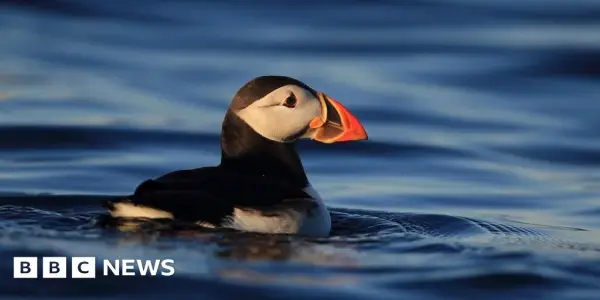
Puffins Make Historic Return to Isle of Muck...

Cate Blanchett Joins Festive Guest Editors for...

Council of Europe Chief Signals Openness to...

OnePlus 15R Poised to Redefine Battery Life...

UK Prepares for Cold Snap with Snow Forecasts...

Hurricane Melissa's Death Toll Reaches 28 in...

Meta Enhances Smart Glasses with Garmin and...

The Shift in Climate Discourse: Navigating the...

Emerging Superfoods from the Amazon: Beyond Açaí

The Consensus Model at UN Climate Talks: An...

Key Insights Ahead of COP30 Summit in Brazil: A...

India's Climate Adaptation Fund Faces Budget Cuts...

Zaha Hadid Architects' Yidan Center Reaches...

Perrier-Jouët and Design Miami Launch Inaugural...

Heat Flow on Saturn’s Moon Enceladus Suggests...
The Overlooked Link Between Climate Change and...

Chronic Diseases in Animals Mirror Human Health...

Study Reveals Airborne Microplastics May...

Recent Study Indicates Accelerated Pace of Global...

Rerouted Shipping Offers Unique Insights into...

Projected Plastic Waste to Exceed 280 Million...
Accelerating Climate Impacts Could Lead to...
Japanese Trade Group, Including Studio Ghibli,...

Key Insights on the Future of Electricity Demand...