Historic Major Oak in Sherwood Forest, Tied to Robin Hood Legend, Passes Away
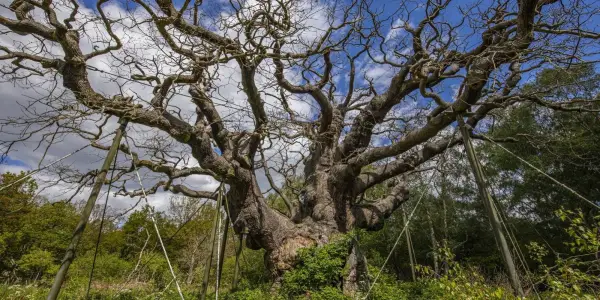
The iconic Major Oak in Sherwood Forest, linked to the Robin Hood myth, has died, according to a UK wildlife charity, marking a significant loss.
In-depth analysis
Current environmental changes
The recent death of the Major Oak highlights significant environmental shifts affecting ancient trees. Factors such as poor soil conditions, a compromised root system, and extreme weather events like heat waves and droughts have contributed to its decline. These changes underscore the increasing pressures that climate change places on long-standing natural landmarks.
Impact on society
The loss of the Major Oak resonates deeply within the community, symbolizing a broader cultural and environmental loss. It serves as a poignant reminder of the fragility of historical natural landmarks that are integral to local heritage and identity.
Policy implications
The decline of the Major Oak raises critical policy considerations regarding tree conservation and climate resilience. Advocates are urging for enhanced protective measures and sustainable management practices to safeguard ancient trees from environmental threats, emphasizing the need for proactive strategies in conservation efforts.
Future outlook
Looking ahead, the propagation of saplings from the Major Oak represents a hopeful initiative for preserving its legacy. As conservation efforts expand globally, there is potential for increased awareness and action to protect similar ancient trees against ongoing environmental challenges.
Did you know?
Why this concerns all of us
The death of the Major Oak highlights the fragility of our natural heritage, reminding us that ancient trees are not just historical landmarks but vital ecosystems. They provide habitat for countless species and contribute to our environmental health. As climate change accelerates, the loss of such trees affects air quality, biodiversity, and even local economies dependent on tourism and conservation efforts. Protecting these giants is crucial for a sustainable future.
Nature's hidden secret
Did you know that ancient oaks like the Major Oak can support over 500 different species of insects, birds, and fungi? This biodiversity is essential for maintaining the ecological balance, which underscores the importance of preserving these historic trees beyond their aesthetic and cultural value.
The person whose life climate changed
Meet Sarah, a 34-year-old teacher from Nottingham, who spent her childhood playing under the Major Oak's sprawling branches. For her, this tree was a symbol of adventure, a backdrop for storytelling in her classroom. When she learned of its death, Sarah felt a profound loss, as if a chapter of her own life had closed. Inspired by its legacy, she’s now leading a local initiative to educate students about the importance of trees and conservation. Sarah believes that the story of the Major Oak should fuel a collective effort to protect our natural heritage, ensuring that future generations can connect with nature just as she did.
Expert Commentary
The Resilient Desert Flora Thrives in Extreme...

£9 Billion Government Initiative to Revamp...

Projected Plastic Waste to Exceed 280 Million...

Comprehensive 3D Map Showcases Every Building on...

Doom's Programming Error Sparks Renewed Interest...

The Economic Risks of Abruptly Halting Solar...

UN Treaty for High Seas Conservation Now Effective

AI's Water Consumption May Soon Match That of 10...

Introducing the Clamshell Writer Deck: A Focused...

Ancient Ice Sample Reveals 6 Million-Year-Old Air...

Guide to Setting Up and Customizing Gemini Raise...

Revisiting India's Air Quality Standards Amid...

New Report Highlights Risks of Marine Carbon...

Global Climate Action in the Absence of the US: A...

Marvel Gears Up for a Major Avengers Event:...

Research Uncovers Factors Behind Weight Gain...

Revitalizing Wellness at Fairmont Chateau Lake...

Key Insights on the Future of Electricity Demand...
UK Prepares for Cold Snap with Snow Forecasts...

Puffins Make Historic Return to Isle of Muck...

The Crucible: A Test of Nerves in Snooker's Most...

Global Rice Yields Plummet Due to Extreme...

Tragic Cargo Plane Crash in Kentucky Claims Lives...

Top Five Books Exploring the Intersection of...

Key Insights Ahead of COP30 Summit in Brazil: A...

Pipeline Dispute Challenges Canada's Energy...

Lawsuit Alleges Tesla Wrongfully Terminated Deaf...

Cate Blanchett Joins Festive Guest Editors for...

New Lancet Report Reveals Alarming Impact of...
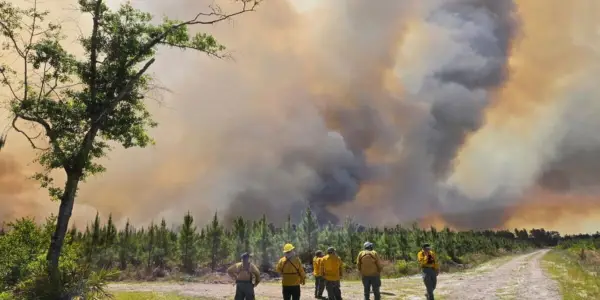
Hurricanes and Droughts: A Dangerous Connection...

Can New Alcohol Warning Labels Shift Ireland's...
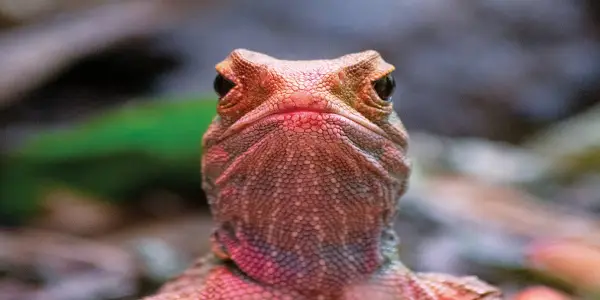
Impact of Global Warming on Reptile Sex Ratios...
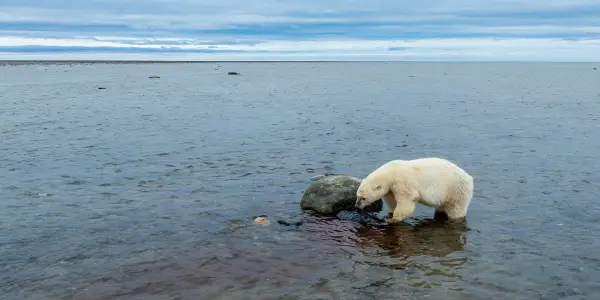
Reevaluating the Polar Bear Narrative Amid...

Residential ZIP Codes Linked to Increased...

Study Reveals Airborne Microplastics May...
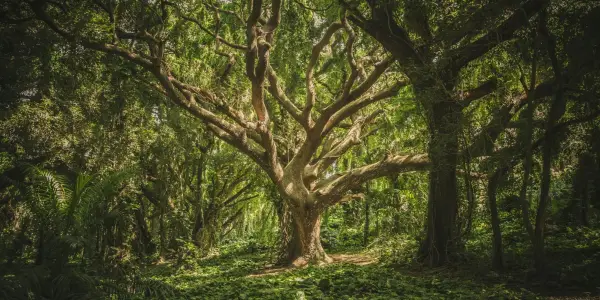
Advocating for Forest Sovereignty: A Call for...

South Africa's G20 Agenda: Addressing Debt,...
Revival of Wild Turkeys: A Conservation Triumph...

The Impact of US Withdrawal on Global Climate...