Beavers Transform Rivers into Significant Carbon Sinks, Study Reveals
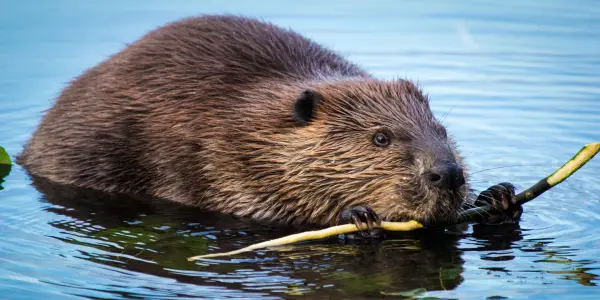
New research highlights beavers' potential in climate change mitigation by converting rivers into effective carbon sinks through wetland creation.
In-depth analysis
Current environmental changes
Recent studies reveal that beavers are transforming wetland ecosystems into effective carbon sinks, sequestering approximately 4.5 tonnes of carbon per hectare. Their dam-building activities significantly alter water dynamics, slow flow rates, and expand wetland areas, enhancing the capacity for carbon storage and fundamentally changing how carbon moves through these landscapes.
Impact on society
The resurgence of beaver populations in Europe is reshaping local ecosystems, providing essential services such as improved water quality and enhanced biodiversity. These changes can lead to more resilient environments, benefiting communities that rely on healthy waterways.
Policy implications
The findings advocate for integrating beaver-led restoration into climate policies and land-use planning. By recognizing the ecological benefits of beavers, policymakers can promote nature-based solutions that enhance carbon storage while supporting biodiversity and ecosystem health.
Future outlook
As beaver populations continue to grow, their role in climate mitigation is likely to expand. Ongoing research and conservation efforts could further unlock the potential of these ecosystems, making them vital assets in the fight against climate change.
Did you know?
Why this concerns all of us
The role of beavers in carbon sequestration is more than an ecological curiosity; it has tangible implications for our climate crisis. As our cities face increased flooding and drought, understanding how beavers enhance wetland ecosystems can inform urban planning and restoration efforts. Embracing beaver populations could lead to healthier waterways, improved biodiversity, and a natural solution to mitigate carbon emissions, ultimately affecting the quality of life for communities worldwide.
Nature's hidden secret
Beavers can create wetlands that store approximately 4.5 tonnes of carbon per hectare, which equals about 16.5 tonnes of CO2. This transformation not only enhances their habitats but plays a significant role in combating climate change by acting as natural carbon sinks—an advantage that many people may not realize.
The person whose life climate changed
Maria Jensen, a farmer in rural Denmark, watched her fields turn into a swamp as beavers returned to the region. Initially frustrated by the flooding, she soon noticed how the wetlands improved water quality and biodiversity on her land. The beavers created a thriving ecosystem that attracted new species and helped regulate water flow during heavy rains. Maria now champions beaver conservation, recognizing their role in fostering resilience against climate change. Her story reflects the delicate balance between human activity and nature's reclamation, highlighting the potential benefits of embracing wildlife as allies in environmental stewardship.
Expert Commentary

Heat Flow on Saturn’s Moon Enceladus Suggests...

Key Insights on the Future of Electricity Demand...

Marvel Gears Up for a Major Avengers Event:...
Hurricane Melissa's Death Toll Reaches 28 in...

The Consensus Model at UN Climate Talks: An...

OnePlus 15R Poised to Redefine Battery Life...

Accelerating Climate Impacts Could Lead to...

The Crucible: A Test of Nerves in Snooker's Most...

Understanding the Urgency of Climate Change: Key...

Foldable Phones on the Rise: 2026 Expected to...

KDE Plans to Phase Out X11 Support in Upcoming...

Revisiting India's Air Quality Standards Amid...
The Resilient Desert Flora Thrives in Extreme...
Impact of Global Warming on Reptile Sex Ratios...

New Mapping of Antarctica's Subglacial Landscape...

Tehran on the Brink: Water Crisis Highlights...

Spring Studio Integrates Biomaterials for...

New Lancet Report Reveals Alarming Impact of...

Teachers' Unions Take a Stand Against Climate...

Puffins Make Historic Return to Isle of Muck...

£9 Billion Government Initiative to Revamp...

Guide to Setting Up and Customizing Gemini Raise...
Comprehensive 3D Map Showcases Every Building on...

India's Climate Adaptation Fund Faces Budget Cuts...
Projected Plastic Waste to Exceed 280 Million...

Recent Study Indicates Accelerated Pace of Global...

Top Five Books Exploring the Intersection of...

Cate Blanchett Joins Festive Guest Editors for...

Exploring the Depths of Human Connection: Ursula...

Research Uncovers Factors Behind Weight Gain...

Rerouted Shipping Offers Unique Insights into...
Lawsuit Alleges Tesla Wrongfully Terminated Deaf...

Revitalizing Wellness at Fairmont Chateau Lake...

Meta Enhances Smart Glasses with Garmin and...

Residential ZIP Codes Linked to Increased...

Chronic Diseases in Animals Mirror Human Health...
Unprecedented Strength of Hurricane Melissa Marks...

Key Outcomes from COP30: Innovations in...