Melting Permafrost Poses Greater Carbon Threat Than Previously Estimated
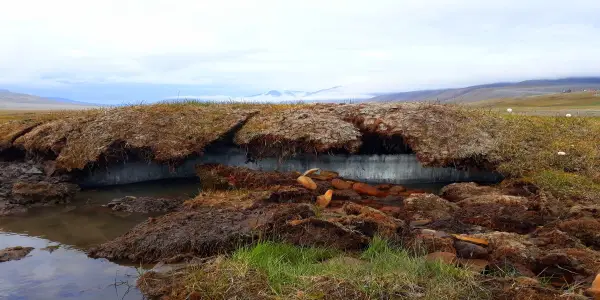
A new study reveals that melting permafrost may release more carbon than anticipated, intensifying climate change impacts.
In-depth analysis
Current environmental changes
Recent research reveals that thawing permafrost is poised to release significantly more carbon into the atmosphere than previously estimated. This phenomenon, driven by rising global temperatures, threatens to disrupt the long-standing balance of carbon storage in frozen soils, potentially leading to a feedback loop that accelerates climate change.
Impact on society
The accelerated release of carbon from permafrost poses substantial risks to global communities, potentially intensifying climate-related challenges such as extreme weather events, food insecurity, and health crises, thereby affecting millions of lives.
Policy implications
These findings underscore the urgent need for policymakers to integrate deeper permafrost carbon dynamics into climate strategies. A comprehensive approach is essential to mitigate potential emissions and adapt to the evolving climate landscape, particularly as new reports from climate organizations emerge.
Future outlook
As research continues to evolve, the implications of permafrost thawing will likely become more pronounced. Proactive measures and updated models will be crucial in addressing the challenges posed by deep carbon emissions and their impact on global warming.
Did you know?
Why this concerns all of us
The thawing of permafrost affects everyone, not just those living in the Arctic. As these ancient carbon stores release greenhouse gases, global temperatures could rise more than expected, influencing weather patterns and food security worldwide. Communities may face increased flooding, droughts, and shifts in agricultural viability. Understanding permafrost dynamics is crucial for mitigating these widespread impacts.
Nature's hidden secret
Permafrost holds about 1,500 billion metric tons of carbon, roughly twice the amount currently in the atmosphere. This ancient carbon, trapped for millennia, is now at risk of being released, potentially accelerating climate change in unprecedented ways.
The person whose life climate changed
Maria Thompson, a resident of Fairbanks, Alaska, has witnessed the drastic effects of climate change firsthand. Once, her family relied on the permafrost for stable building foundations and a reliable water source. With the ground thawing, her home is now at risk of subsidence and flooding. Maria feels the weight of uncertainty; her children may not experience the same Alaskan landscapes she loved. This loss isn't just environmental; it's deeply personal, affecting her community's culture and heritage.
Expert Commentary

AI Unveils Hidden Lion Roar, Revolutionizing...
UN Treaty for High Seas Conservation Now Effective
Emerging Ocean Hotspots Heighten Risk of...
Understanding the Urgency of Climate Change: Key...
Recent Study Indicates Accelerated Pace of Global...
Tragic Cargo Plane Crash in Kentucky Claims Lives...
Bill Gates's Climate Remarks Spark Controversy...
UK Prepares for Cold Snap with Snow Forecasts...

Exploring Climate Change Through Sound: The Role...
Global Rice Yields Plummet Due to Extreme...
The Resilient Desert Flora Thrives in Extreme...

Revival of Wild Turkeys: A Conservation Triumph...

U.S. Fish and Wildlife Service's Plan to Cull...
Scientists Warn Earth Has Reached Critical...
Hurricane Melissa Marks a Historic Category 5...
India's Climate Adaptation Fund Faces Budget Cuts...

Puffins Make Historic Return to Isle of Muck...
Unexpected Shift in North Pacific Storm Track...
Revolutionizing Ocean Research: Robotic Floats...
The Consensus Model at UN Climate Talks: An...

Revitalizing Wellness at Fairmont Chateau Lake...

Massive Leak Exposes 183 Million Email Passwords:...

OnePlus 15R Poised to Redefine Battery Life...

Japanese Trade Group, Including Studio Ghibli,...
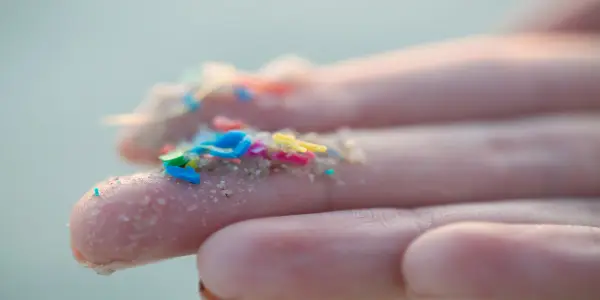
Study Reveals Airborne Microplastics May...
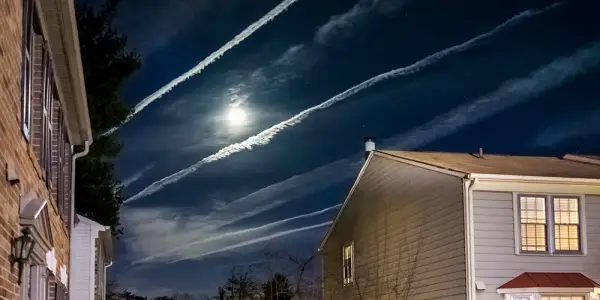
Experts Caution Against Solar Geoengineering:...
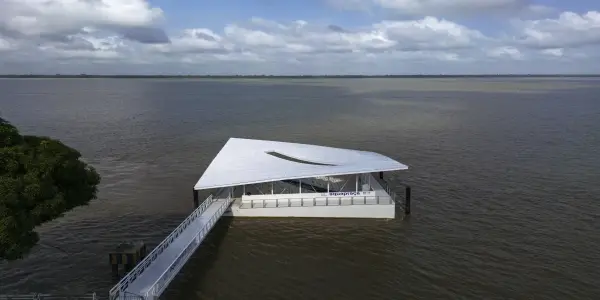
Key Outcomes from COP30: Innovations in...
Lawsuit Alleges Tesla Wrongfully Terminated Deaf...
Foldable Phones on the Rise: 2026 Expected to...
Guide to Setting Up and Customizing Gemini Raise...
Residential ZIP Codes Linked to Increased...

The Emerging Debate on Geoengineering: A Call for...
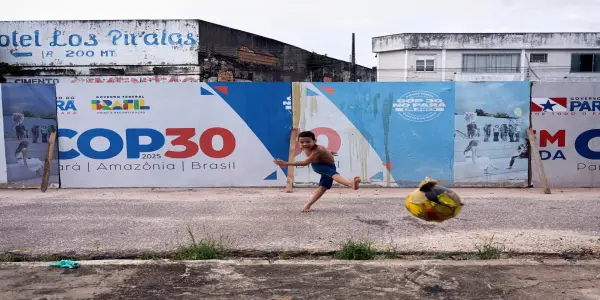
Key Insights Ahead of COP30 Summit in Brazil: A...
Grand Egyptian Museum Unveiled as Torre dei Conti...
The Shift in Climate Discourse: Navigating the...
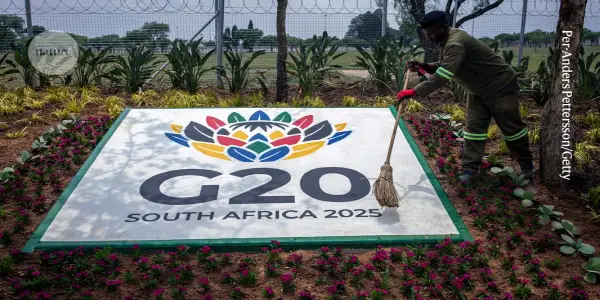
South Africa's G20 Agenda: Addressing Debt,...

Research Uncovers Factors Behind Weight Gain...

Sex Workers Launch 'Anti-OnlyFans' Platform to...

Meta Enhances Smart Glasses with Garmin and...