Harnessing Physics to Brew Better Coffee Amidst Climate Challenges

As climate change threatens coffee supply chains, innovative brewing techniques using physics may help reduce waste and enhance flavor.
In-depth analysis
Current environmental changes
Climate change is increasingly impacting coffee cultivation, disrupting the essential conditions for coffee plants, such as temperature and rainfall. This has resulted in reduced yields and heightened prices, particularly for Arabica beans, which have seen significant price increases in recent years, ultimately affecting both producers and consumers worldwide.
Impact on society
The rising costs and declining availability of coffee due to climate change directly affect millions of livelihoods, particularly in coffee-producing regions. Consumers are also feeling the impact as retail prices escalate, leading to potential shifts in consumption patterns.
Policy implications
The coffee industry's vulnerability to climate change underscores the need for policies promoting sustainable agricultural practices. Policymakers must focus on environmental regulations that reduce deforestation and carbon emissions associated with coffee production, fostering resilience in the sector.
Future outlook
As climate change continues to pose challenges, the coffee industry may need to adapt through innovative brewing methods and sustainable practices. The potential for economic benefits from improved techniques suggests that a focus on sustainability could reshape the future landscape of coffee production.
Did you know?
Why this concerns all of us
The vulnerability of coffee farming to climate change impacts everyone, from casual drinkers to farmers. As Arabica bean prices rise due to declining yields, consumers face higher retail costs, affecting daily budgets. For many, that morning cup of coffee is not just a routine but a moment of comfort; rising prices could alter this cherished experience, highlighting the urgent need for sustainable practices.
Nature's hidden secret
Coffee plants thrive in a narrow temperature range, typically between 60°F and 70°F (15°C to 24°C). Even a slight temperature increase can significantly reduce yields, as coffee is particularly sensitive to climate fluctuations. This vulnerability underscores the critical balance between nature’s conditions and agricultural productivity.
The person whose life climate changed
Maria Torres, a coffee farmer from Colombia, has watched her family's livelihood erode over the past decade due to shifting climate patterns. Once able to harvest abundant crops, she now struggles with unpredictable weather and rising temperatures that threaten her Arabica beans. Each season brings anxiety, as Maria worries not only about her income but also about passing down her family’s coffee legacy to her children. Despite the challenges, she is determined to adapt, experimenting with sustainable farming techniques. Maria embodies the resilience of countless farmers facing climate change, transforming her struggle into a mission to educate others about the importance of sustainable practices in coffee production.
Lawsuit Alleges Tesla Wrongfully Terminated Deaf...

UK Prepares for Cold Snap with Snow Forecasts...
Scientists Warn Earth Has Reached Critical...

Japanese Trade Group, Including Studio Ghibli,...

Experts Caution Against Solar Geoengineering:...

Doom's Programming Error Sparks Renewed Interest...


Cate Blanchett Joins Festive Guest Editors for...
Advocating for Forest Sovereignty: A Call for...
Hurricane Melissa Marks a Historic Category 5...

Urgent Action Needed as Scientists Warn of...
Decline in Indian Passport Ranking Despite...

Can New Alcohol Warning Labels Shift Ireland's...
The Resilient Desert Flora Thrives in Extreme...

Ancient Tools Illuminate Early Human Innovation...
India's Climate Adaptation Fund Faces Budget Cuts...

The Impact of US Withdrawal on Global Climate...

Emerging Superfoods from the Amazon: Beyond Açaí
The Deadly Impact of Plastic Ingestion on Marine...

New Mapping of Antarctica's Subglacial Landscape...
Residential ZIP Codes Linked to Increased...
Reevaluating the Polar Bear Narrative Amid...

Research Uncovers Factors Behind Weight Gain...

£9 Billion Government Initiative to Revamp...

AI Unveils Hidden Lion Roar, Revolutionizing...

Marvel Gears Up for a Major Avengers Event:...

Spring Studio Integrates Biomaterials for...

Sex Workers Launch 'Anti-OnlyFans' Platform to...
Key Insights Ahead of COP30 Summit in Brazil: A...
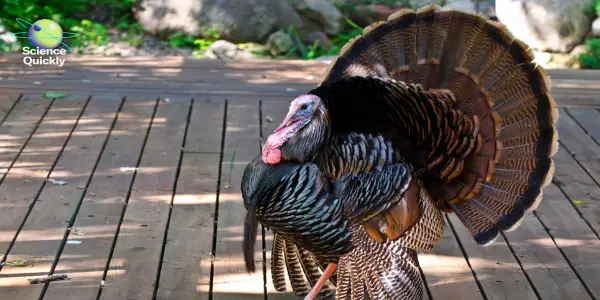
Revival of Wild Turkeys: A Conservation Triumph...
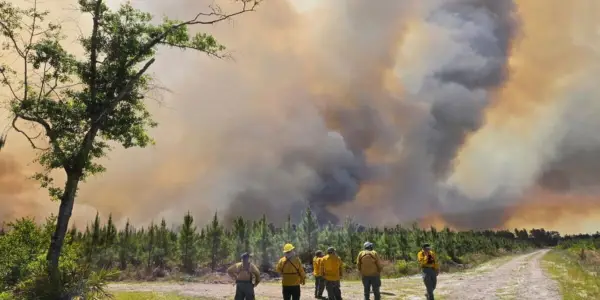
Hurricanes and Droughts: A Dangerous Connection...
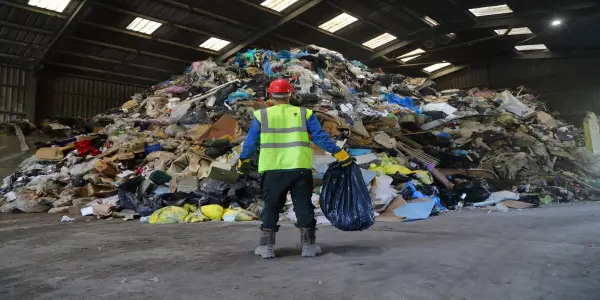
Projected Plastic Waste to Exceed 280 Million...
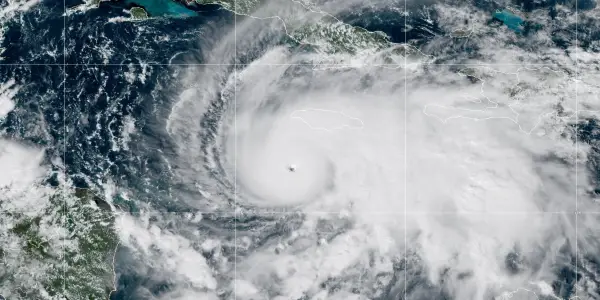
The Rapid Intensification of Hurricane Melissa...

The Emerging Debate on Geoengineering: A Call for...
UN Treaty for High Seas Conservation Now Effective

Exploring the Depths of Human Connection: Ursula...
Tragic Cargo Plane Crash in Kentucky Claims Lives...

Top Five Books Exploring the Intersection of...
The Overlooked Link Between Climate Change and...