Reevaluating the Polar Bear Narrative Amid Climate Change Concerns
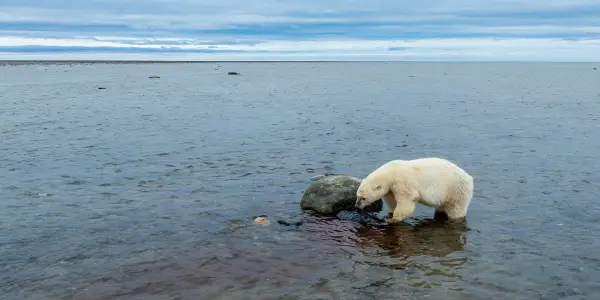
In Nunavut, local observations reveal polar bears thriving and adapting to climate change, challenging the narrative of their decline and prompting a reevalu...
In-depth analysis
Current environmental changes
In the Inuit community of Arviat, Nunavut, polar bears are exhibiting notable adaptability to their environment, with an increase in sightings along Hudson Bay. Despite the ongoing narrative of their decline due to climate change, recent observations indicate that these bears appear healthy and well-fed, challenging widely held perceptions about their status.
Impact on society
Local Inuit communities are experiencing a disconnect between the portrayal of polar bears as endangered and their actual interactions with these animals. This discrepancy affects community perceptions and conservation practices.
Policy implications
The ban on polar bear trophy imports, initiated in response to climate change concerns, has drawn criticism for its adverse effects on Indigenous communities. Policymakers are urged to reconsider such regulations to better align conservation efforts with local economic needs.
Future outlook
The future of polar bear populations may hinge on a more nuanced understanding of their status and the socio-economic realities of Indigenous communities. A balanced approach to conservation could foster both wildlife protection and community sustainability.
Did you know?
Why this concerns all of us
The ongoing debate about polar bear populations impacts everyone, from local Inuit communities to global environmental policies. Understanding the actual status of these bears influences conservation strategies and economic opportunities for Indigenous peoples who depend on sustainable hunting. Misconceptions about their decline can lead to policies that overlook the needs of these communities, affecting their livelihoods and the ecological balance of the region.
Nature's hidden secret
Polar bears are excellent swimmers, capable of covering distances of up to 60 miles in open water. This adaptation is crucial for their survival, especially as sea ice continues to fluctuate due to climate change. Their swimming ability allows them to reach new hunting grounds as they search for seals, showcasing their resilience in the face of environmental challenges.
The person whose life climate changed
Ryan, a lifelong hunter in Arviat, Nunavut, has witnessed the polar bear population's shifting dynamics firsthand. He recalls a time when fewer bears were spotted, but now he sees them frequently along the shores of Hudson Bay. For Ryan, these changes are not just statistics; they represent a connection to his heritage and the land. He emphasizes the importance of balanced narratives around polar bears, advocating for a recognition of their adaptability and the role of his community in conservation. Ryan's perspective challenges the often alarmist portrayals of wildlife in climate discourse, urging a deeper understanding of how human and animal lives intersect amid environmental change.

Recent Study Indicates Accelerated Pace of Global...
Global Rice Yields Plummet Due to Extreme...
Breakthrough Research Unveils Thermal Convection...

The Consensus Model at UN Climate Talks: An...

Key Insights on the Future of Electricity Demand...
The Deadly Impact of Plastic Ingestion on Marine...

AI Unveils Hidden Lion Roar, Revolutionizing...

Japanese Trade Group, Including Studio Ghibli,...

Perrier-Jouët and Design Miami Launch Inaugural...
Antarctic Robot Explorer Surfaces After Eight...
UK Prepares for Cold Snap with Snow Forecasts...

OpenAI Introduces 'Group Chats' Feature in...
Revolutionizing Ocean Research: Robotic Floats...

Introducing the Clamshell Writer Deck: A Focused...
Impact of Global Warming on Reptile Sex Ratios...
Grand Egyptian Museum Unveiled as Torre dei Conti...
India's Climate Adaptation Fund Faces Budget Cuts...
Emerging Ocean Hotspots Heighten Risk of...

KDE Plans to Phase Out X11 Support in Upcoming...
The Rapid Intensification of Hurricane Melissa...

AI's Water Consumption May Soon Match That of 10...

Revitalizing Wellness at Fairmont Chateau Lake...

Palantir's CEO Alex Karp Defends Company’s...

Teachers' Unions Take a Stand Against Climate...

Global Climate Action in the Absence of the US: A...

Golden Hare from Iconic Treasure Hunt Fetches...

Sex Workers Launch 'Anti-OnlyFans' Platform to...
The Resilient Desert Flora Thrives in Extreme...

Doom's Programming Error Sparks Renewed Interest...

Pipeline Dispute Challenges Canada's Energy...

Lawsuit Alleges Tesla Wrongfully Terminated Deaf...
Trump's Environmental Policies Could Lead to 1.3...
Ancient Ice Sample Reveals 6 Million-Year-Old Air...

Decline in Indian Passport Ranking Despite...

New Report Highlights Risks of Marine Carbon...

Ancient Tools Illuminate Early Human Innovation...

Understanding the Urgency of Climate Change: Key...

The Crucible: A Test of Nerves in Snooker's Most...

Experts Caution Against Solar Geoengineering:...
Reevaluating the Polar Bear Narrative Amid...