New Wove App Scans Clothing for PFAS, Microplastics, and Hidden Toxins
Wove, a new app, scans garments for harmful substances like PFAS and microplastics, addressing a critical gap in consumer awareness of clothing safety.
In-depth analysis
Current environmental changes
The rise of synthetic fibers in clothing has significantly contributed to environmental degradation, with microplastic pollution becoming a pressing issue. Washing these garments releases millions of microscopic particles into waterways, exacerbating the already critical state of global water systems and threatening aquatic life and ecosystems.
Impact on society
The introduction of the Wove app reflects a growing societal awareness of health risks associated with clothing. Consumers are increasingly seeking transparency about the materials in their garments, aiming to make informed choices that align with their health and environmental values.
Policy implications
Recent legislative actions, such as France's ban on PFAS in textiles and California's AB 1200 restrictions, indicate a shift towards stricter regulations on harmful chemicals in clothing. These measures highlight the urgent need for policies that protect public health and the environment from synthetic materials.
Future outlook
As consumer demand for transparency grows, applications like Wove may play a pivotal role in reshaping the fashion industry. Increased awareness and regulatory pressure could drive manufacturers to adopt safer materials, ultimately fostering a more sustainable clothing market.
Did you know?
Why this concerns all of us
The launch of the Wove app highlights a critical gap in consumer awareness. As people increasingly prioritize health—by choosing organic foods and clean beauty products—they often overlook the potential hazards lurking in their wardrobes. Harmful chemicals in clothing can impact not only personal well-being but also contribute to broader environmental issues, ultimately affecting air quality and water safety for everyone.
Nature's hidden secret
Did you know that polyester, a dominant fabric in modern clothing, is derived from petroleum? This means that every time you wash these garments, microplastics are released into water systems, contributing to the estimated 1.4 million tons of microfibers entering oceans annually, posing threats to marine life and ecosystems.
The person whose life climate changed
Meet Sarah Thompson, a 34-year-old graphic designer from Portland. After struggling with unexplained health issues for years, including hormonal imbalances, she turned to Wove for answers. With the app, Sarah discovered her favorite workout gear was laced with PFAS. This revelation triggered a transformation in her shopping habits. Now, she carefully selects sustainable brands and educates her friends about the unseen risks of clothing, igniting a community conversation about health and environmental responsibility. Sarah's journey underscores the vital intersection of personal health and consumer choices, proving that awareness can lead to impactful change.
Expert Commentary
Antarctic Robot Explorer Surfaces After Eight...

Palantir's CEO Alex Karp Defends Company’s...

Emerging Superfoods from the Amazon: Beyond Açaí
Puffins Make Historic Return to Isle of Muck...
Key Insights Ahead of COP30 Summit in Brazil: A...
The Deadly Impact of Plastic Ingestion on Marine...
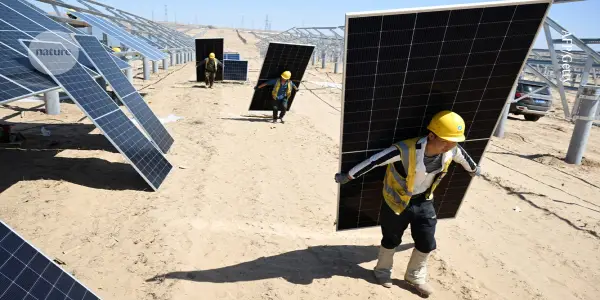
Global Climate Action in the Absence of the US: A...

New Lancet Report Reveals Alarming Impact of...

Grand Egyptian Museum Unveiled as Torre dei Conti...
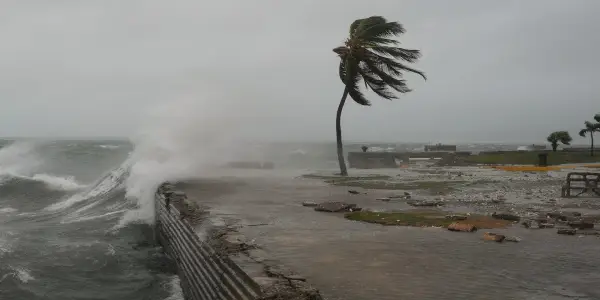
Hurricane Melissa Marks a Historic Category 5...
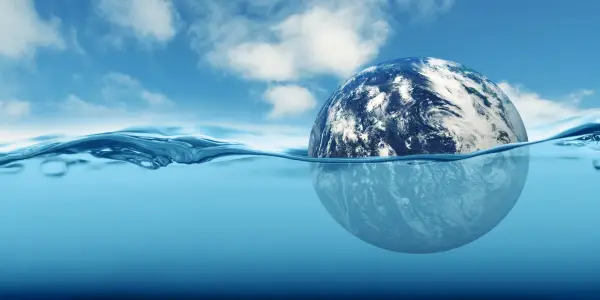
New Report Highlights Risks of Marine Carbon...
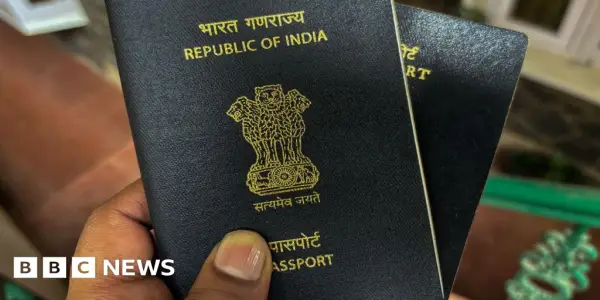
Decline in Indian Passport Ranking Despite...

The Crucible: A Test of Nerves in Snooker's Most...

Chronic Diseases in Animals Mirror Human Health...

Massive Leak Exposes 183 Million Email Passwords:...
Dezeen Jobs Launches Initiative to Celebrate...

Perrier-Jouët and Design Miami Launch Inaugural...

Marvel Gears Up for a Major Avengers Event:...

Bill Gates's Climate Remarks Spark Controversy...
Meta Enhances Smart Glasses with Garmin and...
Reevaluating the Polar Bear Narrative Amid...

Cate Blanchett Joins Festive Guest Editors for...

Japanese Trade Group, Including Studio Ghibli,...

Scientists Warn Earth Has Reached Critical...
Emerging Ocean Hotspots Heighten Risk of...

Heat Flow on Saturn’s Moon Enceladus Suggests...

Sex Workers Launch 'Anti-OnlyFans' Platform to...

AI Unveils Hidden Lion Roar, Revolutionizing...

Golden Hare from Iconic Treasure Hunt Fetches...

South Africa's G20 Agenda: Addressing Debt,...
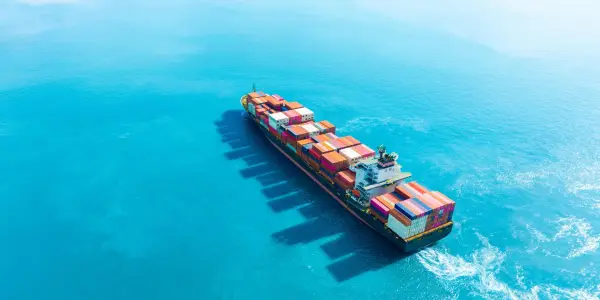
Rerouted Shipping Offers Unique Insights into...
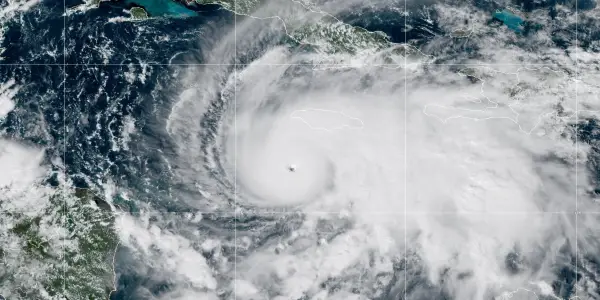
The Rapid Intensification of Hurricane Melissa...

Navigating Climate Distress Amid Brain Injury...
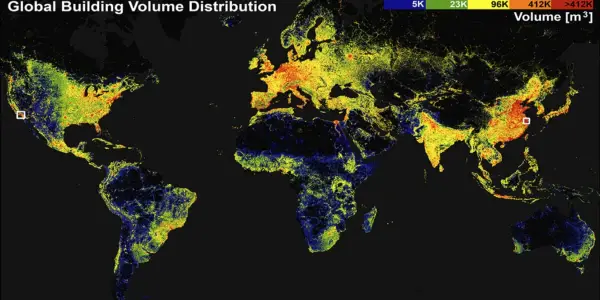
Comprehensive 3D Map Showcases Every Building on...

Tehran on the Brink: Water Crisis Highlights...

Ancient Tools Illuminate Early Human Innovation...

Doom's Programming Error Sparks Renewed Interest...
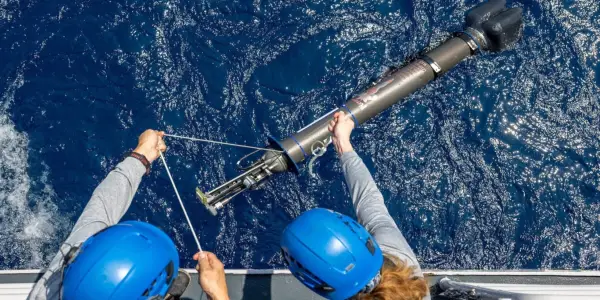
Revolutionizing Ocean Research: Robotic Floats...


Research Uncovers Factors Behind Weight Gain...