Saks Global Faces Imminent Bankruptcy Amid Inventory Crisis
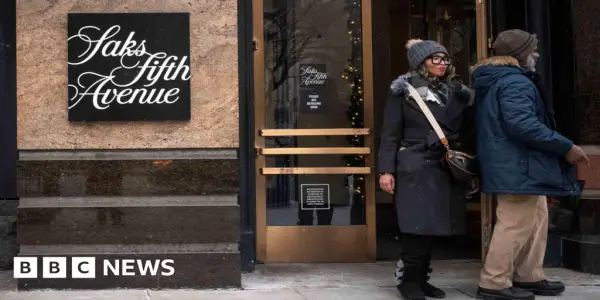
Saks Global, the parent company of Saks Fifth Avenue and Neiman Marcus, is poised to file for bankruptcy protection, raising concerns about its operational viability and future in the luxury retail sector.
In-depth analysis
Current environmental changes
Saks Global's impending bankruptcy reflects significant shifts within the luxury retail landscape, driven by operational mismanagement and financial instability. The company's recent inventory shortages highlight broader market challenges, as luxury retailers grapple with supply chain disruptions and changing consumer preferences that have intensified post-pandemic, leading to a reevaluation of business strategies across the sector.
Impact on society
The financial turmoil at Saks Global is likely to affect not only the company's employees but also its vendors and customers. Disruptions in inventory availability have already led to dissatisfaction among consumers, undermining trust in luxury retail.
Policy implications
The challenges faced by Saks Global may prompt a reevaluation of financial regulations and operational guidelines within the luxury retail sector. Policymakers could consider implementing measures to enhance transparency in vendor relationships and improve cash flow management practices to prevent similar crises.
Future outlook
As Saks Global navigates its impending bankruptcy, the future of luxury retail remains uncertain. Competitors will likely adapt their strategies in response to Saks' struggles, focusing on strengthening supplier relationships and enhancing inventory management to mitigate risks in a volatile market.
Did you know?
Why this concerns all of us
The potential bankruptcy of Saks Global impacts not just luxury shoppers but also everyday consumers. A decline in iconic retailers can lead to fewer job opportunities, diminished shopping options, and reduced economic vitality in local communities. As these brands struggle, the ripple effects may extend to manufacturers, suppliers, and even small businesses that depend on a robust retail ecosystem. The closure of well-known stores alters shopping habits and can erode the charm of vibrant city centers.
Nature's hidden secret
Did you know that luxury retailers like Saks Fifth Avenue can influence not only fashion trends but also environmental practices? The textile industry, accounting for nearly 10% of global carbon emissions, is increasingly responding to consumer demands for sustainability. Companies are beginning to adopt eco-friendly materials and transparent supply chains, highlighting how luxury shopping can drive positive change in environmental stewardship.
The person whose life climate changed
Meet Linda Tran, a loyal Saks Fifth Avenue customer from San Francisco who has shopped there for over a decade. For Linda, Saks represented not just a shopping destination but a cherished tradition—she and her mother would visit the store annually to celebrate her birthday. The news of potential bankruptcy hit her hard; it signifies the loss of a beloved experience and raises concerns about the future of retail. Linda recalls the thrill of finding unique pieces that sparked joy and connection, now overshadowed by uncertainty. With fewer luxury options available, she worries about the impact on local artisans and brands that thrive on collaborations with major retailers. For Linda, this crisis is personal, representing a shift in the retail landscape she once adored.

Fisher Makes Historic Return to Ohio Forests...
Reevaluating the Polar Bear Narrative Amid...

Emerging Superfoods from the Amazon: Beyond Açaí

Urgent Action Needed as Scientists Warn of...

Advocating for Forest Sovereignty: A Call for...
Key Insights Ahead of COP30 Summit in Brazil: A...

Key Insights on the Future of Electricity Demand...

Teachers' Unions Take a Stand Against Climate...

Ancient Tools Illuminate Early Human Innovation...

The Resilient Desert Flora Thrives in Extreme...
Key Outcomes from COP30: Innovations in...

New Report Highlights Risks of Marine Carbon...
Palantir's CEO Alex Karp Defends Company’s...
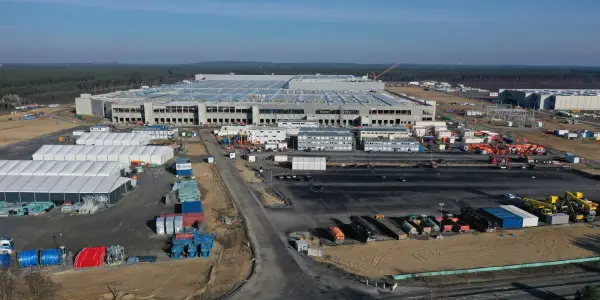
Lawsuit Alleges Tesla Wrongfully Terminated Deaf...

The Crucible: A Test of Nerves in Snooker's Most...

Perrier-Jouët and Design Miami Launch Inaugural...

Spring Studio Integrates Biomaterials for...

Unexpected Shift in North Pacific Storm Track...

Massive Leak Exposes 183 Million Email Passwords:...

Zaha Hadid Architects' Yidan Center Reaches...

New Lancet Report Reveals Alarming Impact of...

Introducing the Clamshell Writer Deck: A Focused...


UK Prepares for Cold Snap with Snow Forecasts...

The Shift in Climate Discourse: Navigating the...
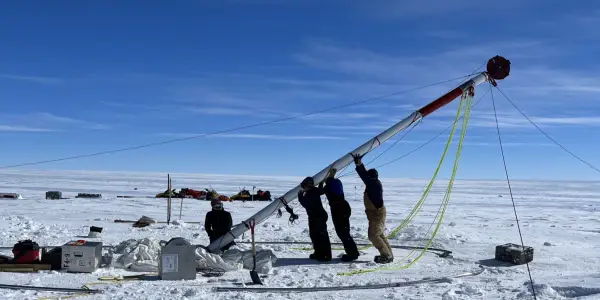
Ancient Ice Sample Reveals 6 Million-Year-Old Air...
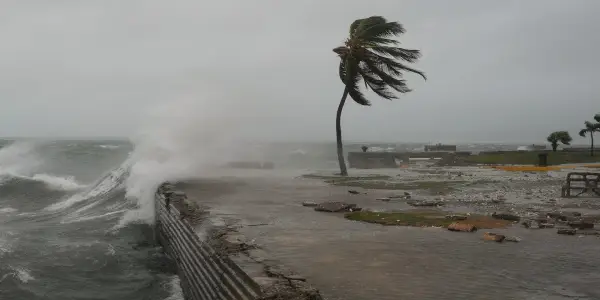
Hurricane Melissa Marks a Historic Category 5...
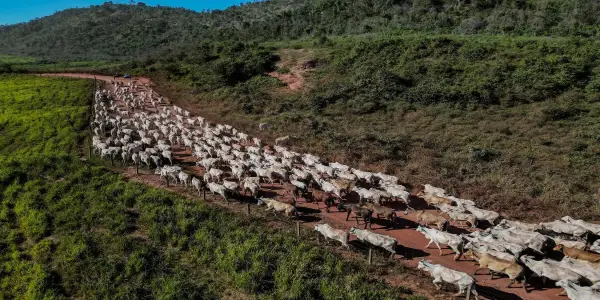
Deforestation-Free Beef: A Sustainable Approach...
Dezeen Jobs Launches Initiative to Celebrate...

Tragic Cargo Plane Crash in Kentucky Claims Lives...

Lab Gloves May Complicate Microplastics Research,...

Emerging Ocean Hotspots Heighten Risk of...

Sex Workers Launch 'Anti-OnlyFans' Platform to...

Pacific Nations Set Ambitious Goal for 100%...

Antarctic Robot Explorer Surfaces After Eight...

Exploring Climate Change Through Sound: The Role...

Tehran on the Brink: Water Crisis Highlights...
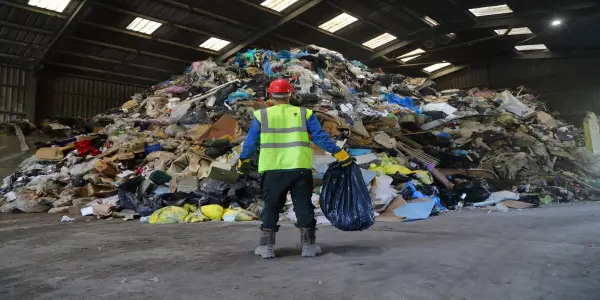
Projected Plastic Waste to Exceed 280 Million...

Recent Study Indicates Accelerated Pace of Global...

Research Uncovers Factors Behind Weight Gain...