The Lingering Toxic Legacy of Armed Conflict
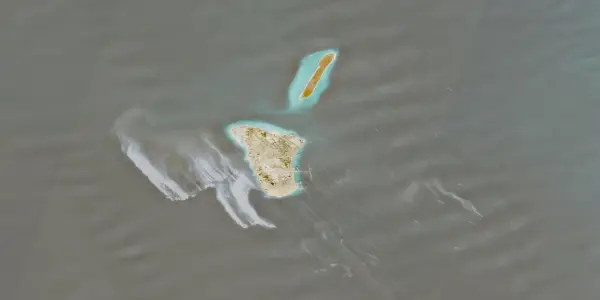
Long after wars conclude, their toxic remnants continue to harm communities and ecosystems, raising urgent environmental concerns.
In-depth analysis
Current environmental changes
Recent armed conflicts have triggered severe environmental degradation, particularly evident in Ukraine and the Gulf region. Damage to fuel depots and industrial sites has released pollutants into air, soil, and water, leading to long-term contamination. Historical parallels, such as the Gulf War's oil field fires, highlight the persistent ecological damage that follows military engagements.
Impact on society
The environmental fallout from conflicts significantly affects public health and community well-being. Contaminated water sources and air pollution exacerbate health crises, particularly in war-torn regions where governance and infrastructure are compromised.
Policy implications
The ongoing environmental crisis necessitates urgent policy reforms to integrate environmental considerations into military operations and post-conflict recovery efforts. Establishing accountability for military emissions and prioritizing sustainable energy infrastructure are critical for mitigating future ecological damage.
Future outlook
Looking ahead, the transition to renewable energy systems in post-conflict regions could enhance environmental resilience. Sustainable recovery strategies will be essential to prevent further degradation and promote ecological restoration in areas recovering from warfare.
Did you know?
Why this concerns all of us
The aftermath of armed conflict reshapes our environment in ways that affect everyone. For instance, pollutants released from bombed fuel depots can contaminate water sources that communities rely on for drinking and agriculture. This is not just a local issue; it can lead to health crises that ripple through global supply chains, affecting food prices and public health far beyond the conflict zone.
Nature's hidden secret
In conflicts like the Gulf War, the fires set by retreating forces released more carbon emissions than many small countries produce in a year. This environmental impact not only affects local ecosystems but also contributes significantly to global warming, illustrating how warfare can have far-reaching consequences beyond the battlefield.
The person whose life climate changed
Maria, a 34-year-old mother from eastern Ukraine, once cultivated a thriving vegetable garden that supported her family. With the ongoing conflict, her land has become a toxic wasteland, contaminated by nearby fuel depots. The toxic air has exacerbated her child's asthma, forcing her to spend precious resources on medical care instead of food. Maria's story highlights the personal toll of environmental destruction in war, showcasing how individual lives are irrevocably altered by decisions made far from home.
Expert Commentary
The Resilient Desert Flora Thrives in Extreme...

£9 Billion Government Initiative to Revamp...
Projected Plastic Waste to Exceed 280 Million...
Comprehensive 3D Map Showcases Every Building on...

Doom's Programming Error Sparks Renewed Interest...

The Economic Risks of Abruptly Halting Solar...
UN Treaty for High Seas Conservation Now Effective

AI's Water Consumption May Soon Match That of 10...

Introducing the Clamshell Writer Deck: A Focused...
Ancient Ice Sample Reveals 6 Million-Year-Old Air...

Guide to Setting Up and Customizing Gemini Raise...

Revisiting India's Air Quality Standards Amid...

New Report Highlights Risks of Marine Carbon...
Global Climate Action in the Absence of the US: A...

Marvel Gears Up for a Major Avengers Event:...

Research Uncovers Factors Behind Weight Gain...

Revitalizing Wellness at Fairmont Chateau Lake...

Key Insights on the Future of Electricity Demand...

UK Prepares for Cold Snap with Snow Forecasts...

Puffins Make Historic Return to Isle of Muck...

The Crucible: A Test of Nerves in Snooker's Most...
Global Rice Yields Plummet Due to Extreme...
Tragic Cargo Plane Crash in Kentucky Claims Lives...

Top Five Books Exploring the Intersection of...
Key Insights Ahead of COP30 Summit in Brazil: A...

Pipeline Dispute Challenges Canada's Energy...
Lawsuit Alleges Tesla Wrongfully Terminated Deaf...

Cate Blanchett Joins Festive Guest Editors for...

New Lancet Report Reveals Alarming Impact of...
Hurricanes and Droughts: A Dangerous Connection...

Can New Alcohol Warning Labels Shift Ireland's...

Impact of Global Warming on Reptile Sex Ratios...
Reevaluating the Polar Bear Narrative Amid...

Residential ZIP Codes Linked to Increased...

Study Reveals Airborne Microplastics May...

Advocating for Forest Sovereignty: A Call for...

South Africa's G20 Agenda: Addressing Debt,...

Revival of Wild Turkeys: A Conservation Triumph...

The Impact of US Withdrawal on Global Climate...