Preserving Modern Jewelry and Vintage Heirlooms: A Sustainable Approach
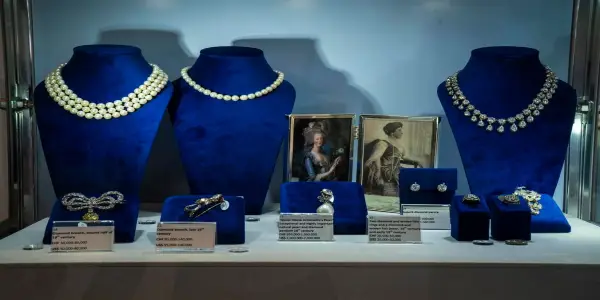
Explore how brands like AKIND, Monica Rich Kosann, and WOLF × Liberty are transforming jewelry care with a focus on sustainability, heritage design, and thoughtful preservation.
In-depth analysis
Current environmental changes
The jewelry industry is witnessing a significant transformation as it adapts to growing consumer demand for sustainable and ethically sourced materials. Brands like AKIND are leading this shift by using recycled gold and lab-grown diamonds, reflecting a broader trend towards environmentally conscious practices that prioritize both quality and sustainability in design.
Impact on society
The resurgence of interest in vintage jewelry is reshaping cultural perceptions, encouraging individuals to wear heirlooms rather than storing them away. This trend fosters a deeper connection to personal history and promotes sustainability through the reuse of existing materials.
Policy implications
As the jewelry market evolves, policymakers may need to consider regulations that promote sustainable sourcing and manufacturing practices. This could include incentivizing the use of recycled materials and establishing standards for ethical production to protect both consumers and the environment.
Future outlook
The future of the jewelry industry appears increasingly focused on sustainability and innovation. As consumer preferences shift, brands that prioritize ethical practices and timeless design are likely to thrive, setting new standards for the market and influencing future trends.
Did you know?
Why this concerns all of us
Every piece of jewelry carries a story, often connecting us to family and heritage. As the jewelry industry shifts toward sustainable practices, our choices impact not just personal legacies but also environmental health. By opting for ethically sourced materials, consumers can help reduce the ecological footprint of jewelry production, ensuring that future generations inherit not only cherished pieces but also a healthier planet.
Nature's hidden secret
Did you know that lab-grown diamonds can be created in just a few weeks, compared to the millions of years it takes for natural diamonds to form? This rapid development not only offers a sustainable option for consumers but also reduces the environmental damage associated with traditional diamond mining.
The person whose life climate changed
At 32, Rachel Chen found herself the custodian of her grandmother’s vintage jewelry collection after a family tragedy. Initially overwhelmed, she began wearing the pieces daily, transforming her grief into a celebration of her grandmother’s life. Inspired by Monica Rich Kosann, Rachel creatively integrated these heirlooms into her modern wardrobe, sharing her journey on social media. This not only reignited her connection to family history but also sparked conversations about sustainable fashion. Rachel's story illustrates how jewelry can bridge past and present, encouraging others to cherish and revive their own family treasures while promoting eco-conscious choices.
Expert Commentary

Antarctic Robot Explorer Surfaces After Eight...

Palantir's CEO Alex Karp Defends Company’s...

Emerging Superfoods from the Amazon: Beyond Açaí

Puffins Make Historic Return to Isle of Muck...

Key Insights Ahead of COP30 Summit in Brazil: A...
The Deadly Impact of Plastic Ingestion on Marine...

Global Climate Action in the Absence of the US: A...

New Lancet Report Reveals Alarming Impact of...

Grand Egyptian Museum Unveiled as Torre dei Conti...

Hurricane Melissa Marks a Historic Category 5...

New Report Highlights Risks of Marine Carbon...


The Crucible: A Test of Nerves in Snooker's Most...

Chronic Diseases in Animals Mirror Human Health...

Massive Leak Exposes 183 Million Email Passwords:...

Dezeen Jobs Launches Initiative to Celebrate...

Perrier-Jouët and Design Miami Launch Inaugural...

Marvel Gears Up for a Major Avengers Event:...

Bill Gates's Climate Remarks Spark Controversy...

Meta Enhances Smart Glasses with Garmin and...
Reevaluating the Polar Bear Narrative Amid...

£9 Billion Government Initiative to Revamp...

Japanese Trade Group, Including Studio Ghibli,...

Scientists Warn Earth Has Reached Critical...

Emerging Ocean Hotspots Heighten Risk of...

Heat Flow on Saturn’s Moon Enceladus Suggests...

Pipeline Dispute Challenges Canada's Energy...

AI Unveils Hidden Lion Roar, Revolutionizing...

Golden Hare from Iconic Treasure Hunt Fetches...

South Africa's G20 Agenda: Addressing Debt,...

Rerouted Shipping Offers Unique Insights into...

The Rapid Intensification of Hurricane Melissa...

Navigating Climate Distress Amid Brain Injury...

Comprehensive 3D Map Showcases Every Building on...

Tehran on the Brink: Water Crisis Highlights...
Ancient Tools Illuminate Early Human Innovation...

Doom's Programming Error Sparks Renewed Interest...
Revolutionizing Ocean Research: Robotic Floats...


Research Uncovers Factors Behind Weight Gain...