Rising Temperatures Intensify Skin Conditions Amid Climate Change

Rising temperatures linked to climate change are worsening skin conditions, with experts warning of increased risks for inflammatory issues and exacerbated e...
In-depth analysis
Current environmental changes
Climate change is manifesting through rising global temperatures, which exacerbate skin conditions by trapping heat and increasing exposure to harmful UV radiation. Additionally, shifting rainfall patterns and severe storms contribute to flooding, leading to chemical exposure and a higher incidence of fungal and bacterial infections that affect skin health.
Impact on society
The increasing prevalence of skin issues linked to climate change disproportionately affects vulnerable populations, particularly children, who are more susceptible to environmental stressors and may lack adequate resources for effective skincare.
Policy implications
There is an urgent need for policies that address environmental health, focusing on reducing pollution and improving access to skincare products. Initiatives should prioritize education on skin protection during poor air quality days and invest in community resources to support those most affected by climate-related skin conditions.
Future outlook
As climate change continues to evolve, dermatologists anticipate a rise in skin-related health issues, necessitating ongoing research and innovation in skincare solutions. Public awareness and proactive measures will be crucial in mitigating these impacts and promoting skin health.
Did you know?
Why this concerns all of us
The implications of climate change extend beyond environmental concerns, directly impacting our health. As skin becomes more susceptible to heat and pollution, everyday activities—like walking outside or enjoying a day at the beach—can lead to rashes or flare-ups. This connection affects everyone, particularly those in urban areas with high pollution levels or limited access to protective skincare, emphasizing the need for community awareness and action.
Nature's hidden secret
Did you know that the skin can absorb harmful pollutants, leading to inflammation and other health issues? Research shows that fine particulate matter from sources like wildfires can penetrate the skin's barrier, resulting in chronic conditions and premature aging. This hidden interaction between our environment and skin health underscores the urgency of addressing climate change.
The person whose life climate changed
Meet Juanita, a 32-year-old teacher from Phoenix, who has battled psoriasis for years. As temperatures rise and air quality worsens, her condition has flared dramatically, affecting her daily life and self-esteem. Once an avid hiker, Juanita now avoids outdoor activities to prevent rashes exacerbated by heat and pollution. The rising costs of protective skincare products add to her stress, as she juggles her health needs with a tight budget. Juanita's experience highlights the urgent need for accessible solutions in a warming world, reminding us that climate change is not just an abstract issue—it's reshaping lives and communities.
Expert Commentary

Urgent Action Needed as Scientists Warn of...

Debate Over Genetic Engineering of Wildlife:...

Exploring Climate Change Through Sound: The Role...

Chronic Diseases in Animals Mirror Human Health...

OpenAI Introduces 'Group Chats' Feature in...

AI Unveils Hidden Lion Roar, Revolutionizing...

New Lancet Report Reveals Alarming Impact of...
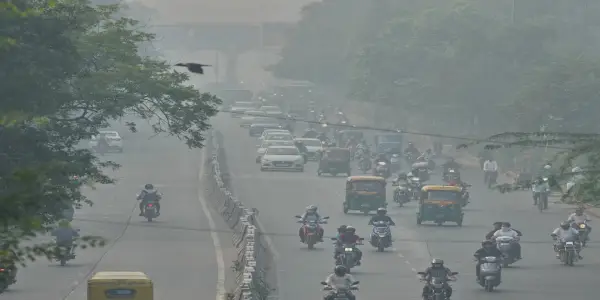
New Delhi Suffers Severe Air Pollution Following...

Revolutionizing Camping: Solar-Powered Tent...

Advocating for Forest Sovereignty: A Call for...

Conspiracy Theories Divert Attention from Genuine...
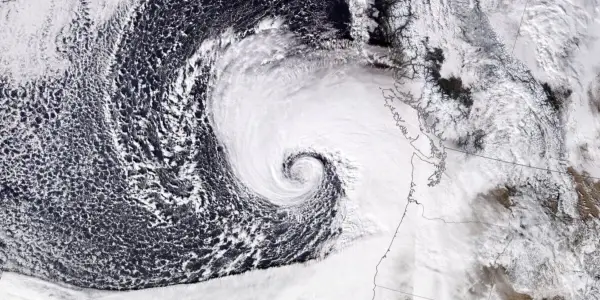
Unexpected Shift in North Pacific Storm Track...

Rerouted Shipping Offers Unique Insights into...
Recent Study Indicates Accelerated Pace of Global...

Portalgraph Revolutionizes 3D Visualization with...

Protests and Food Safety Concerns Challenge...

Massive Leak Exposes 183 Million Email Passwords:...

Dezeen Jobs Launches Initiative to Celebrate...
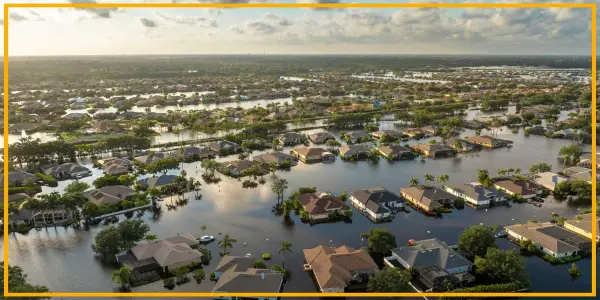
Understanding Climate Change: The Need for...

Residential ZIP Codes Linked to Increased...

California's Proposition 50: Voters Set to...

Revisiting India's Air Quality Standards Amid...

Preserving Modern Jewelry and Vintage Heirlooms:...
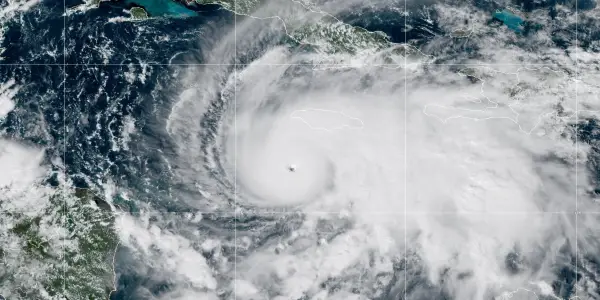
The Rapid Intensification of Hurricane Melissa...

The Bugatti Veyron's Unique Oil Change: A Costly...

Rikako Nagashima's Wool Calendars Highlight...

Nike and LEGO Collaborate to Redesign Playground...

Exploring India's Innovative Eco-Retreat Crafted...

Japanese Trade Group, Including Studio Ghibli,...

Pipeline Dispute Challenges Canada's Energy...
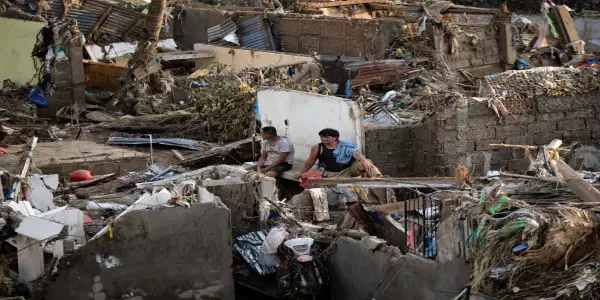
UN Warns 2025 Expected to Rank Among Hottest...

Global Rice Yields Plummet Due to Extreme...

Revitalizing Wellness at Fairmont Chateau Lake...
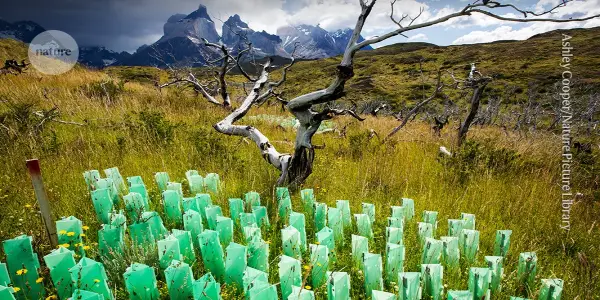
The Limitations of Carbon Credits in Combating...

Researchers Tackle Climate Challenges to Preserve...
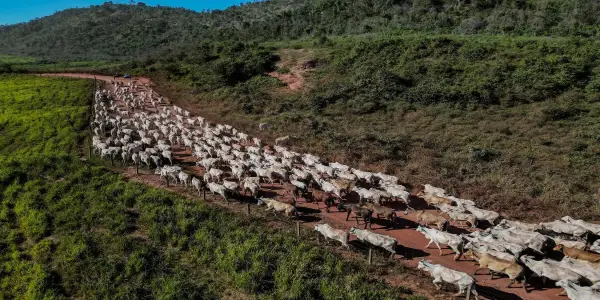
Deforestation-Free Beef: A Sustainable Approach...

Tragic Cargo Plane Crash in Kentucky Claims Lives...

India's Climate Adaptation Fund Faces Budget Cuts...

Peaky Blinders: A Catalyst for West Midlands...

Doom's Programming Error Sparks Renewed Interest...