Iceland Identifies Ocean Current Instability as a National Security Concern

The Icelandic government has officially categorized the potential failure of a significant Atlantic current system as a national security issue, following alarming scientific predictions that it could drastically impact the nation's climate and economy.
In-depth analysis
Current environmental changes
Iceland's recognition of the Atlantic Meridional Overturning Circulation (AMOC) as a national security risk reflects growing concerns over climate instability. Scientific assessments indicate that rising temperatures and altered salinity are contributing to the AMOC's slowdown, potentially leading to severe environmental disruptions, including extreme weather patterns and rising sea levels in coastal regions.
Impact on society
The potential collapse of the AMOC poses serious threats to Icelandic society, including disruptions to transport networks and significant challenges for the fishing industry, a cornerstone of the national economy.
Policy implications
By classifying the AMOC's instability as a national security issue, Iceland is initiating a comprehensive governmental response. This proactive measure aims to address the interconnected challenges of climate change and national security, urging other nations to adopt similar frameworks for climate resilience.
Future outlook
Iceland's approach may set a precedent for global climate policy, emphasizing the urgency of addressing climate-related risks. As nations face increasing environmental threats, collaborative and proactive strategies will be essential for effective adaptation and mitigation efforts.
Did you know?
Why this concerns all of us
The designation of the AMOC's instability as a national security risk signals a critical shift in how we perceive climate change. Its potential effects—rising sea levels, disrupted weather patterns, and economic instability—will ripple across borders, impacting food security, migration patterns, and local economies. This isn't just Iceland's problem; it’s a global crisis that could redefine everyday life for millions.
Nature's hidden secret
The Atlantic Meridional Overturning Circulation (AMOC) is responsible for transporting approximately 25% of the world's heat from the tropics to the northern latitudes. This hidden mechanism not only influences climate but also shapes marine biodiversity, supporting fisheries that sustain millions of jobs and livelihoods across the Atlantic basin.
The person whose life climate changed
Meet Anna Kristjánsdóttir, a 35-year-old fisherman from Iceland's west coast. For generations, her family has relied on the sea for their livelihood. As changes in the AMOC have led to dwindling fish stocks, Anna's once-thriving business is now struggling. The unpredictability of her catch has turned her daily routine into a battle against uncertainty. With rising sea levels threatening her coastal community, Anna feels the weight of a future that is no longer secure. Her story illustrates the human cost of climate change and highlights the urgent need for proactive measures to protect vulnerable communities.
Comprehensive 3D Map Showcases Every Building on...
Tehran on the Brink: Water Crisis Highlights...
Navigating Climate Distress Amid Brain Injury...

Protests and Food Safety Concerns Challenge...
Emerging Ocean Hotspots Heighten Risk of...

Exploring the Depths of Human Connection: Ursula...

Research Uncovers Factors Behind Weight Gain...

AI Unveils Hidden Lion Roar, Revolutionizing...

Key Insights on the Future of Electricity Demand...
Deforestation-Free Beef: A Sustainable Approach...

Can New Alcohol Warning Labels Shift Ireland's...

Massive Leak Exposes 183 Million Email Passwords:...

Introducing the Clamshell Writer Deck: A Focused...

Spring Studio Integrates Biomaterials for...

Golden Hare from Iconic Treasure Hunt Fetches...
The Deadly Impact of Plastic Ingestion on Marine...

OnePlus 15R Poised to Redefine Battery Life...
Impact of Global Warming on Reptile Sex Ratios...

Revival of Wild Turkeys: A Conservation Triumph...
Projected Plastic Waste to Exceed 280 Million...

New Lancet Report Reveals Alarming Impact of...

OpenAI Introduces 'Group Chats' Feature in...
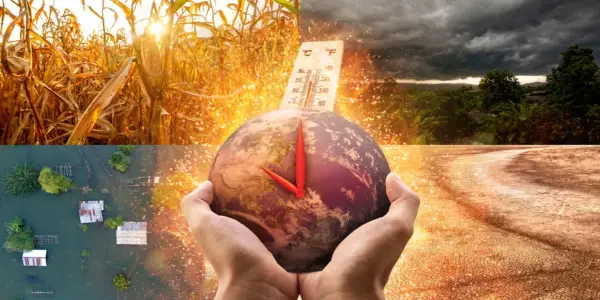
Understanding the Urgency of Climate Change: Key...

Bill Gates's Climate Remarks Spark Controversy...

Brian Greene to Host Inaugural Global Space...
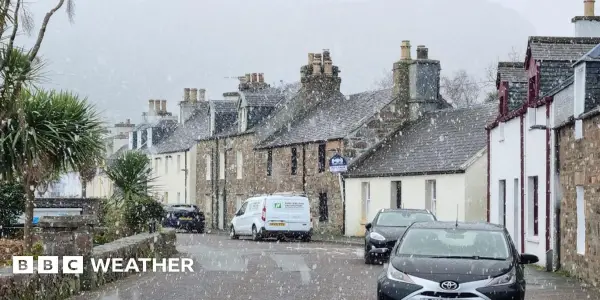
UK Prepares for Cold Snap with Snow Forecasts...
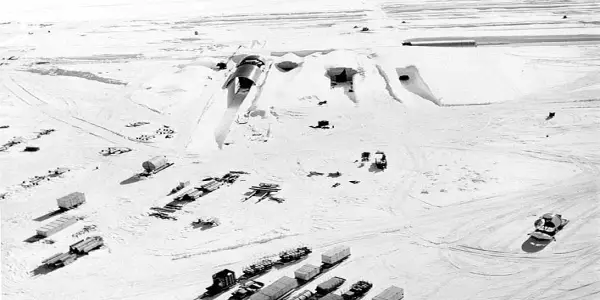
Rediscovery of Cold War Iceworm Project Site...


Urgent Action Needed as Scientists Warn of...

The Impact of US Withdrawal on Global Climate...

Heat Flow on Saturn’s Moon Enceladus Suggests...

U.S. Fish and Wildlife Service's Plan to Cull...

Accelerating Climate Impacts Could Lead to...

Zaha Hadid Architects' Yidan Center Reaches...

Pacific Nations Set Ambitious Goal for 100%...

Grand Egyptian Museum Unveiled as Torre dei Conti...

The Economic Risks of Abruptly Halting Solar...
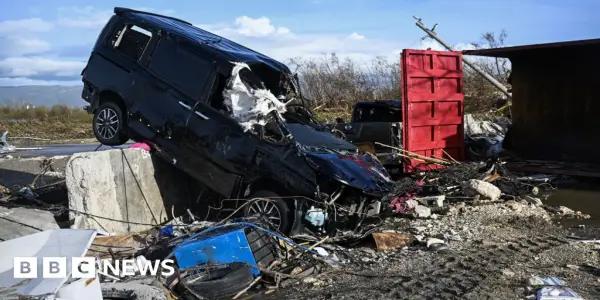
Hurricane Melissa's Death Toll Reaches 28 in...
Ancient Ice Sample Reveals 6 Million-Year-Old Air...

Peaky Blinders: A Catalyst for West Midlands...