Rediscovery of Cold War Iceworm Project Site Highlights Historical Military Strategies
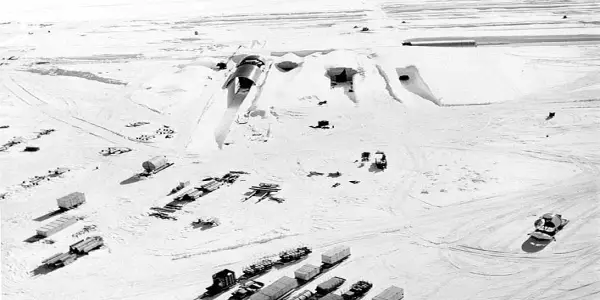
Recent findings reveal the location of Camp Century, a covert military project from the 1950s aimed at establishing missile launch sites beneath Greenland's ice.
In-depth analysis
Current environmental changes
The discovery of Camp Century highlights the accelerating effects of climate change, as melting ice is expected to reveal remnants of the Cold War military base. This re-emergence poses significant concerns regarding the release of hazardous materials, including diesel fuel, previously buried under layers of ice, now threatened by rising global temperatures.
Impact on society
The potential exposure of toxic waste from Camp Century raises public health concerns and underscores the legacy of military operations on modern ecological systems. Communities near the site may face increased risks as environmental hazards emerge.
Policy implications
This situation necessitates urgent policy responses from environmental agencies to mitigate the risks associated with the re-exposure of Camp Century. Effective monitoring and cleanup strategies must be developed to address the hazardous materials that could pose threats to both human health and the environment.
Future outlook
As climate change continues to alter landscapes, similar sites may also become vulnerable. The ongoing monitoring of Camp Century will be crucial in understanding the broader implications of historical military activities on contemporary environmental challenges.
Did you know?
Why this concerns all of us
The discovery of Camp Century highlights a pressing environmental issue that affects everyone. As climate change accelerates, the site could leak hazardous materials into the surrounding ecosystem, contaminating water sources and wildlife. Communities near Greenland and beyond could face health risks from toxic pollutants, reminding us that historical decisions can have long-lasting effects on our environment and public health.
Nature's hidden secret
Beneath the Greenland ice sheet lies a legacy of the Cold War: not just Camp Century but also a subterranean network of ice that has preserved military secrets for over six decades. This unique environment acts like a time capsule, revealing insights into both human activities and natural climate patterns that are now shifting rapidly due to global warming.
The person whose life climate changed
Meet Lars Jensen, a 42-year-old fisherman from a small coastal town in Greenland. His family has relied on the land and sea for generations, but as the ice melts, Lars is witnessing changes that threaten his livelihood. Fish migration patterns have shifted, and traditional hunting grounds are becoming increasingly unstable. The resurgence of Camp Century brings mixed emotions for Lars; while it’s a reminder of history, it also symbolizes the urgent need for action against climate change to protect his way of life and the delicate balance of nature his community depends on.
Expert Commentary

Dezeen Jobs Launches Initiative to Celebrate...
Ancient Ice Sample Reveals 6 Million-Year-Old Air...
Advocating for Forest Sovereignty: A Call for...
Japanese Trade Group, Including Studio Ghibli,...
The Resilient Desert Flora Thrives in Extreme...
The Deadly Impact of Plastic Ingestion on Marine...
Experts Caution Against Solar Geoengineering:...
Global Climate Action in the Absence of the US: A...

Study Reveals Airborne Microplastics May...
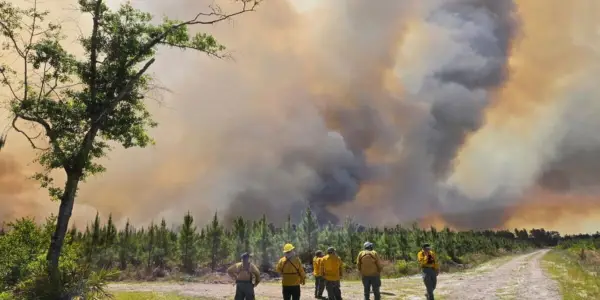
Hurricanes and Droughts: A Dangerous Connection...
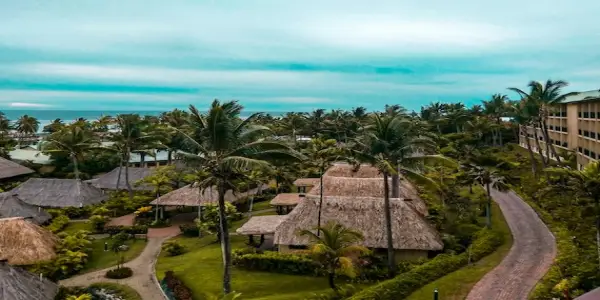
Pacific Nations Set Ambitious Goal for 100%...
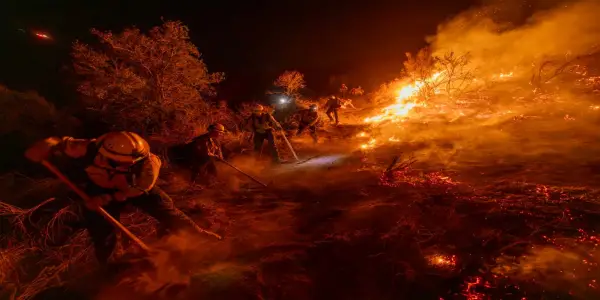
Accelerating Climate Impacts Could Lead to...

Key Insights on the Future of Electricity Demand...

Golden Hare from Iconic Treasure Hunt Fetches...

OpenAI Introduces 'Group Chats' Feature in...

Foldable Phones on the Rise: 2026 Expected to...

Pipeline Dispute Challenges Canada's Energy...

Palantir's CEO Alex Karp Defends Company’s...

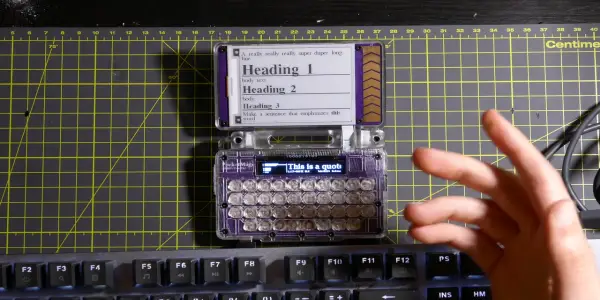
Introducing the Clamshell Writer Deck: A Focused...

Sex Workers Launch 'Anti-OnlyFans' Platform to...

Cate Blanchett Joins Festive Guest Editors for...
£9 Billion Government Initiative to Revamp...
Council of Europe Chief Signals Openness to...

Rerouted Shipping Offers Unique Insights into...
Projected Plastic Waste to Exceed 280 Million...
Key Outcomes from COP30: Innovations in...

Recent Study Indicates Accelerated Pace of Global...
Grand Egyptian Museum Unveiled as Torre dei Conti...

The Impact of US Withdrawal on Global Climate...

Heat Flow on Saturn’s Moon Enceladus Suggests...

Understanding the Urgency of Climate Change: Key...

U.S. Fish and Wildlife Service's Plan to Cull...

OnePlus 15R Poised to Redefine Battery Life...

Marvel Gears Up for a Major Avengers Event:...
Antarctic Robot Explorer Surfaces After Eight...

Meta Enhances Smart Glasses with Garmin and...
Doom's Programming Error Sparks Renewed Interest...
New Report Highlights Risks of Marine Carbon...