Understanding the Health Risks of PFAS: What You Can Do

High levels of PFAS, commonly known as 'forever chemicals,' have been detected in blood samples, raising concerns about their health impacts and methods to reduce exposure.
In-depth analysis
Current environmental changes
Recent investigations have uncovered concerning levels of per- and polyfluoroalkyl substances (PFAS) in human blood, revealing the widespread persistence of these synthetic chemicals in both the environment and the human body. Despite their long history of use in consumer products, their accumulation poses serious health risks, necessitating urgent attention from both scientists and the public.
Impact on society
The prevalence of PFAS in everyday products raises significant health concerns, particularly regarding infertility and other serious conditions. As awareness grows, communities are increasingly alarmed about exposure risks, especially among vulnerable populations such as children.
Policy implications
The European Commission is considering potential restrictions on PFAS, reflecting a growing recognition of their health impacts. However, the Chemical Industries Association highlights the essential roles some PFAS play in manufacturing, complicating the push for regulation and the search for viable alternatives.
Future outlook
As research continues to unveil the health risks associated with PFAS, the regulatory landscape is likely to evolve. Increased public awareness and proactive consumer choices may drive demand for safer products, influencing future manufacturing practices and policies.
Did you know?
Why this concerns all of us
PFAS, or 'forever chemicals,' have infiltrated our daily lives, lurking in everything from non-stick pans to children's clothing. Their persistence means these substances can accumulate in our bodies, affecting health across generations. The implications are profound: rising infertility rates, hormonal disruptions, and the potential for long-term health issues. Everyone, especially parents, should be aware of these risks and consider the choices they make in everyday products.
Nature's hidden secret
Interestingly, PFAS can be found in some unexpected food sources. For example, strawberries, which many might consider a healthy snack, can absorb PFAS residues if grown in contaminated soil or treated with certain pesticides. This underscores the challenge of avoiding these chemicals, as they can enter our diets in seemingly innocuous ways.
The person whose life climate changed
Meet Clara, a 34-year-old mother of two who thought she was providing a safe environment for her children. When she learned about her elevated PFAS levels during a routine health check, shock turned to fear. The results revealed a 9 ng/ml concentration—well above the concerning threshold. Clara now feels a sense of urgency to educate herself and her community about these hidden dangers. While she once relied on non-stick cookware and stain-resistant fabrics, she's now committed to sourcing safer, eco-friendly alternatives. Clara's journey highlights the emotional toll of navigating the complexities of modern living, where even seemingly harmless choices can have serious health implications.

Breakthrough Research Unveils Thermal Convection...

Doom's Programming Error Sparks Renewed Interest...

UN Treaty for High Seas Conservation Now Effective
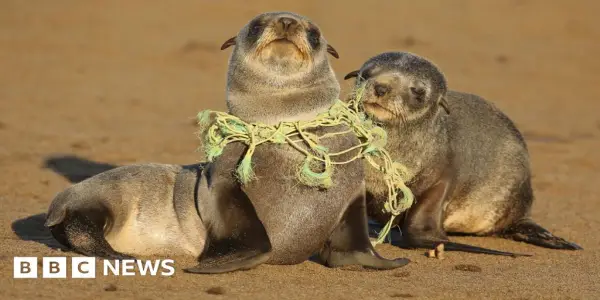
The Deadly Impact of Plastic Ingestion on Marine...

The Overlooked Link Between Climate Change and...
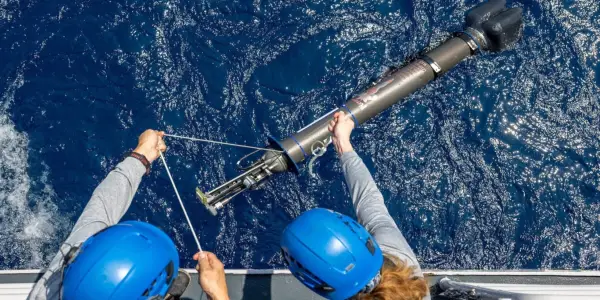
Revolutionizing Ocean Research: Robotic Floats...

Pipeline Dispute Challenges Canada's Energy...

Scientists Warn Earth Has Reached Critical...

Japanese Trade Group, Including Studio Ghibli,...
Bill Gates's Climate Remarks Spark Controversy...

Key Insights on the Future of Electricity Demand...

Guide to Setting Up and Customizing Gemini Raise...

Foldable Phones on the Rise: 2026 Expected to...

Exploring Climate Change Through Sound: The Role...

AI's Water Consumption May Soon Match That of 10...

Introducing the Clamshell Writer Deck: A Focused...

Ancient Tools Illuminate Early Human Innovation...

Revitalizing Wellness at Fairmont Chateau Lake...

Revisiting India's Air Quality Standards Amid...

Urgent Action Needed as Scientists Warn of...

Lawsuit Alleges Tesla Wrongfully Terminated Deaf...

Impact of Global Warming on Reptile Sex Ratios...
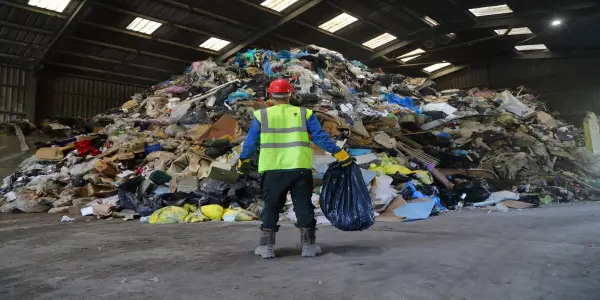
Projected Plastic Waste to Exceed 280 Million...

U.S. Fish and Wildlife Service's Plan to Cull...

The Crucible: A Test of Nerves in Snooker's Most...

UK Prepares for Cold Snap with Snow Forecasts...

Pacific Nations Set Ambitious Goal for 100%...

Global Rice Yields Plummet Due to Extreme...

Unexpected Shift in North Pacific Storm Track...

Exploring the Depths of Human Connection: Ursula...

The Shift in Climate Discourse: Navigating the...

OpenAI Introduces 'Group Chats' Feature in...
Ancient Ice Sample Reveals 6 Million-Year-Old Air...
Emerging Ocean Hotspots Heighten Risk of...

Zaha Hadid Architects' Yidan Center Reaches...

Palantir's CEO Alex Karp Defends Company’s...

Key Insights Ahead of COP30 Summit in Brazil: A...
Unprecedented Strength of Hurricane Melissa Marks...

Meta Enhances Smart Glasses with Garmin and...

Deforestation-Free Beef: A Sustainable Approach...