Conspiracy Theories Divert Attention from Genuine Climate Threats
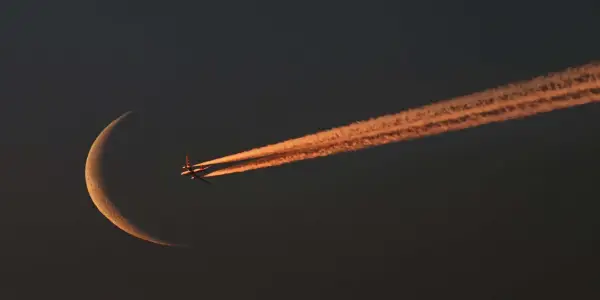
The unfounded belief in 'chemtrails' as a means of population control distracts from legitimate concerns about aviation's environmental impact, argues Graham Lawton.
In-depth analysis
Current environmental changes
The aviation industry is a notable contributor to climate change, responsible for about 2% of global greenhouse gas emissions. Recent studies highlight the role of contrails, which can trap infrared radiation and exacerbate global warming, underscoring the urgent need for further investigation into aviation's environmental impact.
Impact on society
The spread of chemtrail conspiracy theories diverts public attention from legitimate environmental issues, complicating efforts to address climate change effectively. This misinformation can foster skepticism toward scientific consensus and climate action.
Policy implications
The persistence of chemtrail beliefs challenges policymakers, as they may hinder the implementation of necessary regulations aimed at reducing the aviation sector's environmental impact. A focus on scientifically validated solutions is essential for effective climate action.
Future outlook
As climate change worsens, the need for informed public discourse becomes increasingly critical. Addressing the influence of conspiracy theories on environmental policy will be vital in ensuring that meaningful climate action is pursued.
Did you know?
Why this concerns all of us
The proliferation of conspiracy theories like 'chemtrails' diverts public attention from pressing environmental issues, specifically the aviation industry's impact on climate change. As air travel becomes more common for families and businesses, understanding the real threats posed by aviation emissions is crucial. If misinformation continues to dominate discussions, it could delay necessary regulations, ultimately affecting air quality and climate for future generations.
Nature's hidden secret
Contrary to popular belief, contrails, the white streaks left by airplanes, are actually composed of ice crystals. These crystals form when water vapor from engine exhaust condenses and freezes at high altitudes, rather than being harmful chemicals. This phenomenon plays a significant role in climate change, as contrails can trap heat in the atmosphere.
The person whose life climate changed
Maria Lopez, a 34-year-old mother from California, has seen the effects of climate change firsthand. Last summer, wildfires ravaged her community, forcing her family to evacuate their home. While grappling with the loss of personal belongings, Maria discovered a local group focused on promoting sustainable travel practices. Inspired by their mission, she began advocating for awareness about aviation emissions. For Maria, confronting misinformation about chemtrails is personal; she believes that focusing on factual environmental issues can prevent future crises like the one her family faced.
Expert Commentary
Lawsuit Alleges Tesla Wrongfully Terminated Deaf...

Doom's Programming Error Sparks Renewed Interest...

Ancient Tools Illuminate Early Human Innovation...
Revolutionizing Ocean Research: Robotic Floats...
UN Treaty for High Seas Conservation Now Effective

Advocating for Forest Sovereignty: A Call for...

Decline in Indian Passport Ranking Despite...

Tehran on the Brink: Water Crisis Highlights...

Exploring the Depths of Human Connection: Ursula...
Tragic Cargo Plane Crash in Kentucky Claims Lives...

Spring Studio Integrates Biomaterials for...

New Report Highlights Risks of Marine Carbon...

Pacific Nations Set Ambitious Goal for 100%...

AI's Water Consumption May Soon Match That of 10...

Guide to Setting Up and Customizing Gemini Raise...

Puffins Make Historic Return to Isle of Muck...

Cate Blanchett Joins Festive Guest Editors for...

Council of Europe Chief Signals Openness to...

OnePlus 15R Poised to Redefine Battery Life...

UK Prepares for Cold Snap with Snow Forecasts...

Perrier-Jouët and Design Miami Launch Inaugural...

Meta Enhances Smart Glasses with Garmin and...
Hurricane Melissa Marks a Historic Category 5...

Emerging Superfoods from the Amazon: Beyond Açaí

The Consensus Model at UN Climate Talks: An...
Key Insights Ahead of COP30 Summit in Brazil: A...
India's Climate Adaptation Fund Faces Budget Cuts...

Zaha Hadid Architects' Yidan Center Reaches...
Hurricane Melissa's Death Toll Reaches 28 in...
Heat Flow on Saturn’s Moon Enceladus Suggests...

The Overlooked Link Between Climate Change and...

Chronic Diseases in Animals Mirror Human Health...

Study Reveals Airborne Microplastics May...

Recent Study Indicates Accelerated Pace of Global...

Rerouted Shipping Offers Unique Insights into...
Projected Plastic Waste to Exceed 280 Million...

Accelerating Climate Impacts Could Lead to...

Japanese Trade Group, Including Studio Ghibli,...

Key Insights on the Future of Electricity Demand...