Portalgraph Revolutionizes 3D Visualization with Award-Winning Display Technology
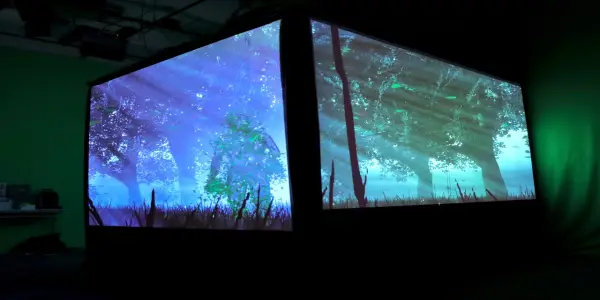
Portalgraph has introduced a groundbreaking display system that eliminates the need for 3D glasses, enhancing the way designers and clients interact with architectural models and prototypes.
In-depth analysis
Current environmental changes
The introduction of glasses-free 3D visualization technology marks a significant shift in the design landscape. By eliminating the need for specialized equipment, the new system promotes a more collaborative and accessible approach to 3D content, enhancing user experience and engagement across various platforms. This innovation represents a crucial step toward integrating advanced visualization into everyday creative processes.
Impact on society
The accessibility of advanced 3D visualization tools can empower smaller design studios and educational institutions, democratizing the creative process. This shift enables a wider range of professionals to participate in high-quality design work, fostering collaboration and innovation.
Policy implications
The rise of collaborative 3D visualization technologies necessitates a reevaluation of industry standards and practices. Policymakers may need to consider regulations that support accessibility in design tools, ensuring that all professionals, regardless of budget, can benefit from advancements in technology.
Future outlook
As the demand for intuitive design solutions increases, the trend towards accessible 3D visualization is likely to continue. This evolution could reshape the creative industry, encouraging more inclusive practices and collaborative environments among designers and clients alike.
Did you know?
Why this concerns all of us
The emergence of glasses-free 3D visualization impacts not just designers but also clients and consumers. Imagine attending a home design consultation where clients can visualize rooms and layouts in real-time without cumbersome headsets. This technology streamlines communication, making design processes more efficient and inclusive. As creative industries embrace these tools, the quality of experiences in architecture, gaming, and education will improve, affecting how we all interact with visual content.
Nature's hidden secret
Did you know that the human eye can perceive depth because of a phenomenon called binocular disparity? This means each eye sees a slightly different image, allowing our brains to calculate distance. Portalgraph's new technology mimics this effect on standard screens, enabling multiple viewers to experience depth perception without traditional 3D gear.
The person whose life climate changed
Meet Sarah, a freelance designer from a small town who struggled with traditional 3D tools. With a limited budget and no access to expensive VR headsets, her ability to present ideas effectively was hampered. After discovering Portalgraph’s glasses-free 3D visualization, Sarah transformed her client meetings. Now, she can showcase her designs on a regular TV, allowing clients to engage directly with her work. The newfound collaboration has not only boosted her confidence but also expanded her clientele, proving that inclusive technology can level the playing field for creatives like her.