Debate Over Genetic Engineering of Wildlife: Conservation at a Crossroads
The debate on genetic engineering in wildlife conservation intensifies as IUCN prepares to vote on a moratorium, weighing innovation against biodiversity pre...
In-depth analysis
Current environmental changes
The debate surrounding genetic engineering in wildlife conservation is intensifying as biodiversity faces unprecedented threats from climate change and habitat loss. Recent findings indicate that these environmental changes are accelerating extinction rates, prompting discussions on innovative strategies, including the potential use of gene-editing technologies to enhance species resilience and combat invasive species.
Impact on society
The proposed moratorium on genetic engineering in wildlife conservation has significant implications for society, as it could stifle advancements in biotechnological solutions aimed at preserving endangered species and restoring ecological balance.
Policy implications
The IUCN's upcoming vote on the moratorium could influence national policies regarding genetic engineering in conservation. A ban, while non-binding, may deter innovative approaches and complicate efforts to address urgent ecological challenges, highlighting the need for balanced regulatory frameworks.
Future outlook
The outcome of the IUCN vote will likely shape the trajectory of conservation strategies moving forward. As biodiversity continues to decline, the integration of genetic engineering may become increasingly essential to developing effective responses to environmental crises.
Did you know?
Why this concerns all of us
The debate over genetic engineering in wildlife conservation directly impacts our environment and ecosystems. As invasive species and climate change threaten biodiversity, the tools we choose to combat these issues will shape the natural world around us. Decisions made now will affect everything from the stability of our local parks to the health of our food systems, influencing the quality of life for future generations.
Nature's hidden secret
Did you know that some invasive species can reproduce at an alarming rate, outpacing native populations? For instance, the brown tree snake in Guam has contributed to the extinction of several bird species, with its rapid reproduction significantly altering the island's ecosystem. This highlights the urgent need for innovative solutions in wildlife conservation.
The person whose life climate changed
Maria Lopez, a biologist based in Florida, has dedicated her career to studying the effects of climate change on native bird populations. After witnessing the decline of the endangered Florida Scrub-Jay, she became a vocal advocate for genetic engineering as a possible solution. Maria believes that using gene drives could help bolster their numbers, but she also grapples with the ethical implications of such interventions. For her, this isn't just about science; it's personal. The Scrub-Jay represents a piece of her childhood, and she hopes to see future generations experience the joy of spotting these unique birds in their natural habitat. Maria’s story underscores the emotional weight of conservation choices, balancing hope against the risks of intervening in complex ecosystems.
Expert Commentary

Key Insights on the Future of Electricity Demand...


Global Climate Action in the Absence of the US: A...

Lab Gloves May Complicate Microplastics Research,...
Emerging Ocean Hotspots Heighten Risk of...
Navigating Climate Distress Amid Brain Injury...

Residential ZIP Codes Linked to Increased...

Ancient Tools Illuminate Early Human Innovation...

Guide to Setting Up and Customizing Gemini Raise...

The Consensus Model at UN Climate Talks: An...

Can New Alcohol Warning Labels Shift Ireland's...

Palantir's CEO Alex Karp Defends Company’s...
Impact of Global Warming on Reptile Sex Ratios...

Revolutionizing Camping: Solar-Powered Tent...

Exploring the Depths of Human Connection: Ursula...
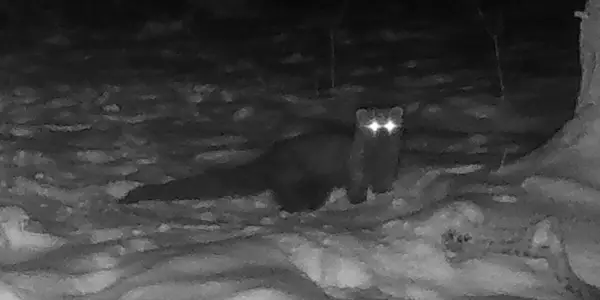
Fisher Makes Historic Return to Ohio Forests...

Meta Enhances Smart Glasses with Garmin and...

Teachers' Unions Take a Stand Against Climate...

Recent Study Indicates Accelerated Pace of Global...
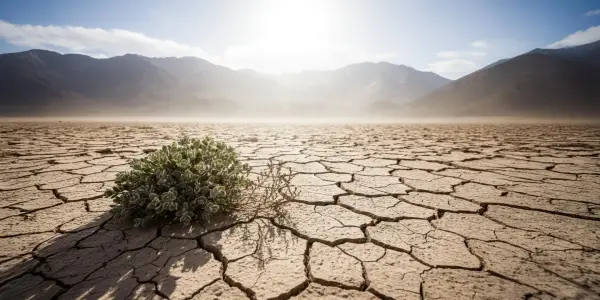
The Resilient Desert Flora Thrives in Extreme...

Rerouted Shipping Offers Unique Insights into...
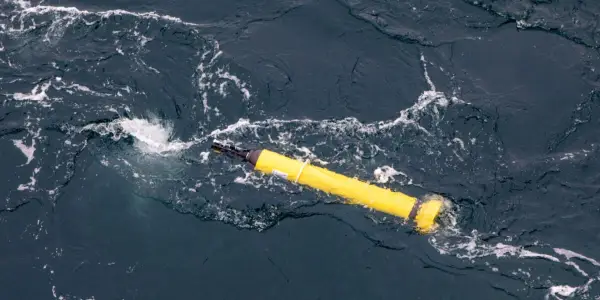
Antarctic Robot Explorer Surfaces After Eight...

Sex Workers Launch 'Anti-OnlyFans' Platform to...
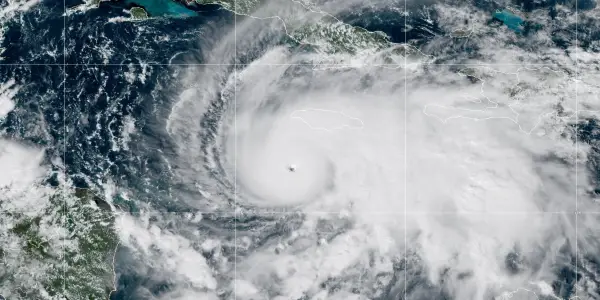
The Rapid Intensification of Hurricane Melissa...

AI Unveils Hidden Lion Roar, Revolutionizing...

Perrier-Jouët and Design Miami Launch Inaugural...
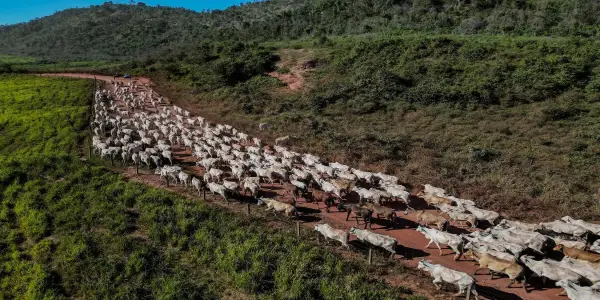
Deforestation-Free Beef: A Sustainable Approach...

Foldable Phones on the Rise: 2026 Expected to...

South Africa's G20 Agenda: Addressing Debt,...

UK Prepares for Cold Snap with Snow Forecasts...
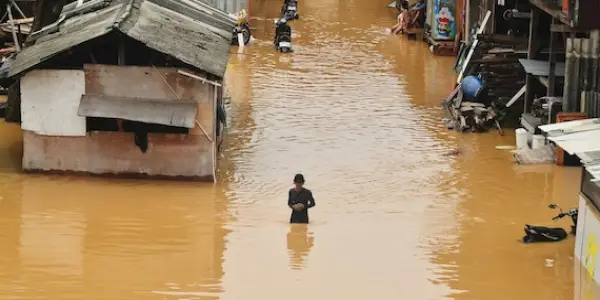
Trump's Environmental Policies Could Lead to 1.3...

Chronic Diseases in Animals Mirror Human Health...
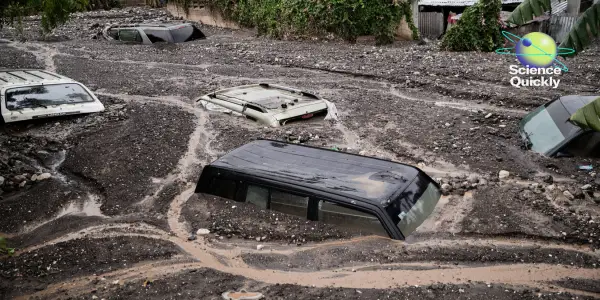
Unprecedented Strength of Hurricane Melissa Marks...

The Crucible: A Test of Nerves in Snooker's Most...
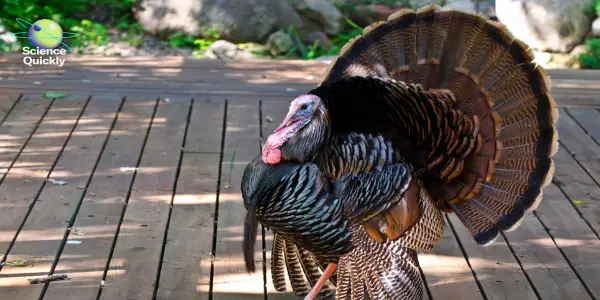
Revival of Wild Turkeys: A Conservation Triumph...

New Delhi Suffers Severe Air Pollution Following...
UN Treaty for High Seas Conservation Now Effective
Puffins Make Historic Return to Isle of Muck...

India's Climate Adaptation Fund Faces Budget Cuts...