Green Turtle Sees Significant Recovery Thanks to Global Conservation Efforts
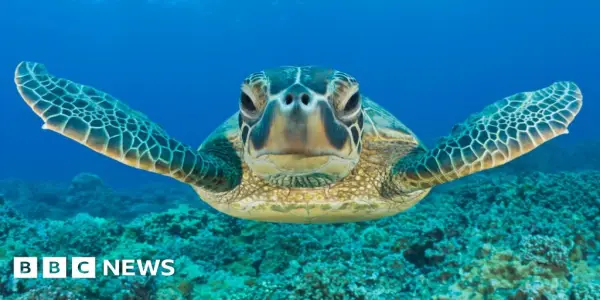
The green turtle has made a remarkable recovery from critical endangerment, now classified as Least Concern, thanks to global conservation efforts and habita...
In-depth analysis
Current environmental changes
The recovery of the green turtle population marks a significant shift in marine conservation, transitioning from critically endangered to least concern status. Despite this progress, environmental challenges persist, particularly climate change and habitat degradation, which threaten not only turtles but also other marine species. Continuous monitoring and adaptive management strategies are essential to address these ongoing issues.
Impact on society
The revival of green turtle populations has fostered community engagement in conservation efforts, enhancing local economies through ecotourism. Increased awareness about marine biodiversity has also led to a cultural shift towards more sustainable practices among coastal populations.
Policy implications
The green turtle's recovery underscores the effectiveness of targeted conservation policies, highlighting the need for ongoing support and funding. Policymakers must prioritize the protection of marine habitats and implement stricter regulations on fishing practices to safeguard vulnerable species from future threats.
Future outlook
While the green turtle's recovery is promising, future challenges loom due to climate change and habitat loss. Continued conservation efforts, alongside adaptive policies, will be crucial in maintaining population stability and ensuring the survival of marine ecosystems.
Did you know?
Why this concerns all of us
The recovery of green turtles isn't just a win for wildlife; it affects coastal ecosystems and local economies. Healthy turtle populations help maintain marine biodiversity, which is crucial for fisheries that communities rely on. As these turtles thrive, they contribute to the health of seagrass beds and coral reefs, directly impacting our shores and the livelihoods tied to them.
Nature's hidden secret
Despite their size, green turtles can hold their breath for up to five hours while resting underwater. This extraordinary adaptation allows them to evade predators and thrive in diverse marine environments, showcasing just how specialized these creatures are in their survival strategies.
The person whose life climate changed
Lila Torres, a marine biologist from Florida, dedicated her career to studying green turtles. Growing up near a nesting site, she recalls watching hatchlings struggle to reach the sea. This sparked her passion for conservation. Lila's recent research, focusing on the impacts of climate change on hatchling success, underscores the urgency of protecting these turtles. With every data point, she feels a personal connection to their survival, knowing her work could influence conservation policies that shape their future.
Expert Commentary
Impact of Global Warming on Reptile Sex Ratios...

Dezeen Jobs Launches Initiative to Celebrate...

Revisiting India's Air Quality Standards Amid...
Hurricane Melissa Marks a Historic Category 5...

Portalgraph Revolutionizes 3D Visualization with...

Bill Gates's Climate Remarks Spark Controversy...

OpenAI Introduces 'Group Chats' Feature in...
Green Turtle Sees Significant Recovery Thanks to...

Advocating for Forest Sovereignty: A Call for...
Hurricane Melissa's Death Toll Reaches 28 in...

Joe Swash Opens Up About the Challenges of Being...

Emerging Superfoods from the Amazon: Beyond Açaí

Pipeline Dispute Challenges Canada's Energy...

Researchers Tackle Climate Challenges to Preserve...
Unexpected Shift in North Pacific Storm Track...

Navigating Climate Distress Amid Brain Injury...

Recent Study Indicates Accelerated Pace of Global...

Rikako Nagashima's Wool Calendars Highlight...

The Bugatti Veyron's Unique Oil Change: A Costly...

Revitalizing Wellness at Fairmont Chateau Lake...

Grand Egyptian Museum Unveiled as Torre dei Conti...

Exploring Climate Change Through Sound: The Role...

California's Proposition 50: Voters Set to...

Chronic Diseases in Animals Mirror Human Health...

Research Uncovers Factors Behind Weight Gain...

Apple Seeks Changes to Indian Tax Law Amid...

Meta Enhances Smart Glasses with Garmin and...

Delhi's Toxic Air Crisis: Children Bear the Brunt...

Guide to Setting Up and Customizing Gemini Raise...

Doom's Programming Error Sparks Renewed Interest...

The Shift in Climate Discourse: Navigating the...

Can New Alcohol Warning Labels Shift Ireland's...

AI Unveils Hidden Lion Roar, Revolutionizing...

Key Insights on the Future of Electricity Demand...

Key Insights Ahead of COP30 Summit in Brazil: A...

New Delhi Suffers Severe Air Pollution Following...

Public Outcry Grows Over Severe Air Pollution in...

New Report Highlights Risks of Marine Carbon...

Preserving Modern Jewelry and Vintage Heirlooms:...

Tragic Cargo Plane Crash in Kentucky Claims Lives...