New Research Suggests Earth and Theia Were Neighboring Bodies Before Collision
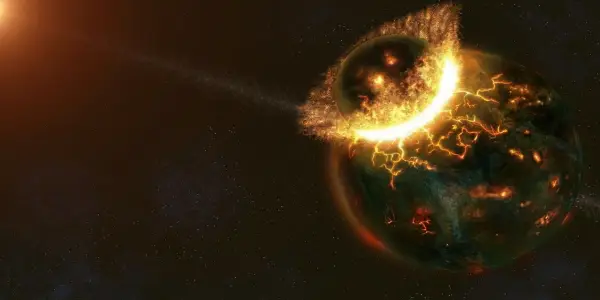
Recent studies indicate that Earth and Theia, the body responsible for the moon's formation, likely originated in the inner solar system, suggesting they were once close neighbors.
In-depth analysis
Natural phenomena
The collision between Earth and Theia, a massive object from the inner solar system, is a pivotal event in planetary formation. This cataclysmic impact not only birthed the moon but also reshaped Earth’s physical characteristics, influencing its mass and orbital dynamics. The study of isotopic ratios in lunar rocks provides crucial insights into the origins of these celestial bodies.
Impact on communities
The discovery of Theia's significance in Earth's history enhances understanding of planetary formation, which can influence educational initiatives. This knowledge fosters a deeper appreciation for space science and its implications for humanity's place in the universe.
Scientific updates
Recent research has reconstructed Theia's possible composition, suggesting that it shared similar building blocks with Earth. By analyzing isotopic ratios in lunar samples, scientists have confirmed the close relationship between Earth and its moon, providing new insights into their shared origins in the inner solar system.
Future outlook
Ongoing studies into Theia's characteristics may unveil further details about its formation and evolution. As researchers continue to analyze meteorites and lunar samples, the understanding of planetary dynamics and the solar system's history is expected to deepen.
Did you know?
Why this matters for our planet
Understanding the origins of Earth and Theia is crucial not just for astronomy, but for our planet's future. Insights into the formation processes of celestial bodies can help us comprehend how Earth developed its unique environment. This knowledge can inform efforts in planetary protection and resource management, which are increasingly relevant as we face challenges like climate change and space exploration.
Earth's undiscovered wonder
Did you know that lunar rocks returned by Apollo missions have isotopic ratios remarkably similar to those found in certain meteorites? This connection suggests that these meteorites may hold clues to understanding the materials that formed both Earth and its long-lost neighbor, Theia. It's a fascinating link that underscores the interconnectedness of our solar system's history.
The voice of Earth
Marcus, 34, from Chicago, often gazes at the moon during his evening walks. To him, it represents more than just a celestial body; it's a reminder of Earth's dramatic history. Learning about Theia’s collision made him reflect on his own life—how everything is shaped by transformative moments. The moon's presence makes him feel connected to the cosmos, inspiring him to advocate for environmental stewardship. Every night, as it casts light over the city, he feels a personal responsibility to protect this planet, a sentiment born from understanding its origins.
Asteroid 2025 TF Passes Closely by Earth,...

Reassessing the Impact of Farmed Seafood on Ocean...
New Study Reveals Microbes Colonizing Freshly...
Viewing Comet C/2025 R2 (SWAN) During Its October...
Michael Benson's Nanocosmos Highlights Natural...

Google Launches WeatherNext 2: Enhanced AI...
Becoming a Backyard Meteorologist: A Guide with...

Discovery of Submerged Land Bridge in Turkey...
Aging Stars Pose Threat to Nearby Planets, New...
Trump Criticizes China's Trade Actions, Confirms...
NASA's Mars Sample Return Mission Faces...

30 Unusual Bat Species That Challenge...
Rising Gas Bills Despite Low Natural Gas Prices:...
Amazon Fires Emit Record Carbon Levels,...
HEO Robotics Expands Satellite Imaging...
Innovative Fluorescent Probe Reveals Microbial...
Insights into Lithospheric Dynamics from Turkana...
Ecuadorian Quarry Yields 112-Million-Year-Old...
New Research Sheds Light on Jet Streams of Gas...
Expansion of Texas Natural Gas Infrastructure...
Live Stream of Comets Lemmon and SWAN Approaching...

Catherine O’Hara, Iconic Actress from...
China's Astronauts Return Safely, but Another...
Turkey Declines Rare Earth Element Sales to the...

VTN Architects Completes Nuoc Ui School in...
SpaceX to Launch Over 100 Satellites Today on...

Indigenous Activists Challenge COP30's Rainforest...
Perseverance Rover Discovers Unusual Rock Near...
Historic Tri-National Initiative to Safeguard the...
Reassessing Economic Growth: Valuing Natural...
Damage Assessment Underway in Northern Australia...
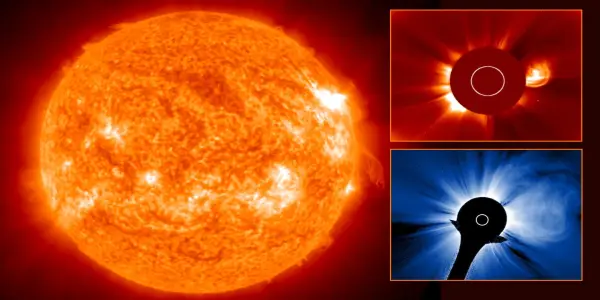
Sun Emits Second-Strongest Flare of 2025, Causing...
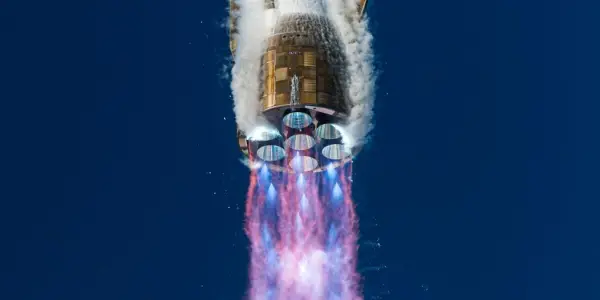
New Glenn Rocket Completes Successful Test...
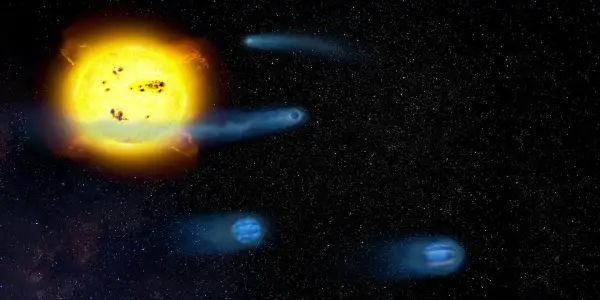
Young Star V1298 Tau Sheds Light on Planet...
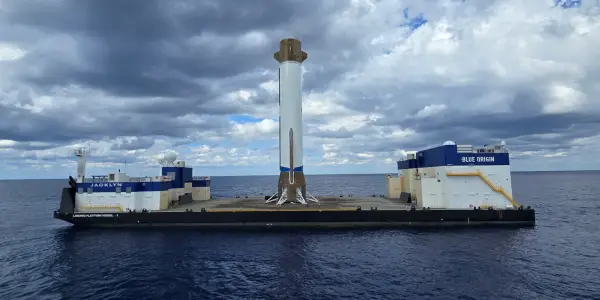
Blue Origin's New Glenn Rocket Successfully Lands...

FX Confirms Season 2 Renewal for 'Alien: Earth'
Natural History Museums: Essential Partners in...

WhatsApp Security Vulnerability Exposes 3.5...
New Research Suggests Water Could Form During...
The Challenges of Sending a Supervillain into the...