Recent Legionnaires' Disease Outbreaks in London, Ont., Highlight Climate Change Concerns
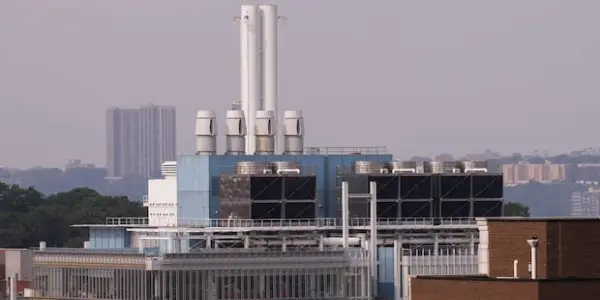
The resurgence of Legionnaires' disease in London, Ontario, has sparked renewed discussion about the impact of climate change on public health, following a second fatal outbreak since the summer of 2024.
In-depth analysis
Current environmental changes
London, Ontario is experiencing a troubling rise in Legionnaires' disease outbreaks, attributed to environmental shifts linked to climate change. The Public Health Agency of Canada has noted an uptick in legionella infections, with warmer temperatures and altered weather patterns creating favorable conditions for the bacteria's growth, especially in industrial cooling systems.
Impact on society
The recent outbreaks have resulted in multiple fatalities, highlighting the urgent public health risks associated with Legionnaires' disease. Communities are increasingly vulnerable as environmental factors contribute to the proliferation of this serious respiratory illness.
Policy implications
The situation in London underscores the need for enhanced regulations regarding cooling systems to mitigate legionella risks. Experts advocate for stricter disinfection practices and safety standards, similar to those in other Canadian regions, to better protect public health amid rising temperatures.
Future outlook
As climate change continues to influence weather patterns, the frequency of Legionnaires' disease outbreaks may increase. Proactive measures and regulatory reforms will be essential to address these emerging public health challenges effectively.
Did you know?
Why this concerns all of us
The recent outbreaks of Legionnaires' disease in London serve as a stark reminder that climate change isn't just an abstract issue; it's affecting our health directly. As temperatures rise, the risk of bacteria thriving in cooling systems increases, impacting industries and residential areas alike. This isn't just a local problem; it highlights the urgent need for improved safety regulations that protect everyone from potential outbreaks.
Nature's hidden secret
Legionella bacteria can survive in a wide range of temperatures, from 20°C to 50°C, but they thrive best between 35°C and 46°C. This surprising adaptability allows them to flourish in places like cooling towers, which can easily reach these temperatures during hot weather, increasing the risk of infection.
The person whose life climate changed
Mark Thompson, a factory worker in London, never thought he would be affected by an outbreak of Legionnaires' disease. After losing his friend to the illness during the recent outbreak, Mark felt a profound sense of vulnerability. He now advocates for stricter safety measures in industrial cooling systems, sharing his story to raise awareness about the health risks associated with climate change. Mark's experience is a poignant reminder that the invisible consequences of a warming planet can have devastating impacts on our communities, urging everyone to pay attention to public health and environmental safety.
Expert Commentary

The Impact of US Withdrawal on Global Climate...

South Africa's G20 Agenda: Addressing Debt,...

Rising Temperatures Intensify Skin Conditions...

Rikako Nagashima's Wool Calendars Highlight...

Defense Contractors Adapt to Climate Challenges...

Augusta Township Residents Mobilize Against...

Conspiracy Theories Divert Attention from Genuine...

Revival of Wild Turkeys: A Conservation Triumph...

Antarctic Robot Explorer Surfaces After Eight...

India's Climate Adaptation Fund Faces Budget Cuts...

Massive Leak Exposes 183 Million Email Passwords:...

KDE Plans to Phase Out X11 Support in Upcoming...

Top Five Books Exploring the Intersection of...
Key Outcomes from COP30: Innovations in...

New Lancet Report Reveals Alarming Impact of...
The Limitations of Carbon Credits in Combating...

UN Warns 2025 Expected to Rank Among Hottest...

Advocating for Forest Sovereignty: A Call for...

Portalgraph Revolutionizes 3D Visualization with...

Nike and LEGO Collaborate to Redesign Playground...

The Overlooked Link Between Climate Change and...

Addressing API Overload: A Developer's Confession

Meta Enhances Smart Glasses with Garmin and...

The Hidden Costs of Men's Alcohol Consumption on...

New Research Suggests Earth's Phosphorus Cycle...

Revisiting India's Air Quality Standards Amid...
Intensified Competition Threatens African...

Tragic Cargo Plane Crash in Kentucky Claims Lives...

Public Outcry Grows Over Severe Air Pollution in...

New Report Highlights Risks of Marine Carbon...
Trump's Environmental Policies Could Lead to 1.3...
Unprecedented Strength of Hurricane Melissa Marks...

Brian Greene to Host Inaugural Global Space...
Global Rice Yields Plummet Due to Extreme...

Tehran on the Brink: Water Crisis Highlights...

MindsEye Developers Criticize Leadership Over...

Key Insights on the Future of Electricity Demand...

Bill Gates Advocates for Innovation as Key to...

£9 Billion Government Initiative to Revamp...

OpenAI Unveils Ambitious Vibe Coding Initiative,...