Students with Special Educational Needs Share Insights on Their School Experiences

Students with special educational needs share their experiences as a new IPPR report calls for urgent reforms to improve support in mainstream schools amid d...
In-depth analysis
Current environmental changes
The landscape of educational support for students with special educational needs and disabilities (SEND) is undergoing significant transformation. Recent reports highlight systemic gaps in mainstream schools, where lengthy assessments delay essential assistance. With one in five students requiring support, the rising number of Education, Health and Care Plans (EHCPs) underscores the urgent need for reform.
Impact on society
The challenges faced by SEND students ripple through families and communities, highlighting a societal responsibility to ensure equitable access to education. The difficulties in securing appropriate placements lead to frustration and stress for families, ultimately affecting the well-being of students.
Policy implications
The IPPR's recommendations call for a reevaluation of current policies governing SEND education. By advocating for the creation of Additional Learning Support, the report emphasizes the necessity of removing barriers that hinder access to appropriate resources, thereby promoting a more inclusive educational environment.
Future outlook
The future of SEND education hinges on the government's willingness to implement necessary reforms. If changes are made to improve funding and support systems, there is potential for a more inclusive educational landscape that better accommodates the diverse needs of all students.
Did you know?
Why this concerns all of us
The educational experiences of students with special educational needs and disabilities (SEND) impact not just those directly affected but society as a whole. When schools fail to provide adequate support, the ripple effects can be felt in future workplaces, where these students may struggle to contribute fully. A generation unprepared for the workforce due to inadequate educational support can lead to economic stagnation and social challenges, highlighting the need for immediate reform.
Nature's hidden secret
Did you know that the human brain can adapt its structure based on experiences and challenges? This phenomenon, known as neuroplasticity, is particularly relevant for students with SEND, as tailored educational support can reshape their learning pathways and enhance their cognitive development, allowing them to thrive in ways previously thought impossible.
The person whose life climate changed
Evie, a young woman from Sheffield, exemplifies the struggles faced by many students with special educational needs. Diagnosed with autism and ADHD, she fought to find a school that could meet her complex needs. Her search was not just about academics; it was about finding a place where she felt understood and supported. After numerous rejections, she finally found a school that could accommodate her needs, yet the journey took a toll on her well-being. Evie's story illuminates the urgent need for systemic change in the SEND framework, as countless families face similar hurdles. Her resilience highlights the human cost of bureaucratic delays and the importance of advocating for a more inclusive educational landscape.
Expert Commentary
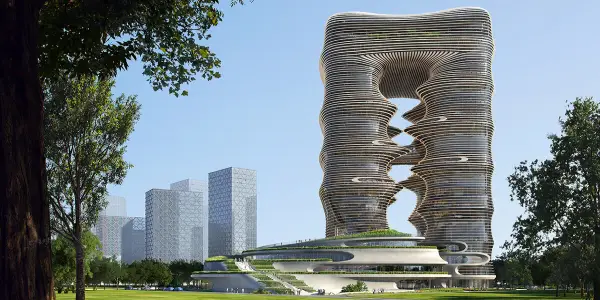
Zaha Hadid Architects' Yidan Center Reaches...
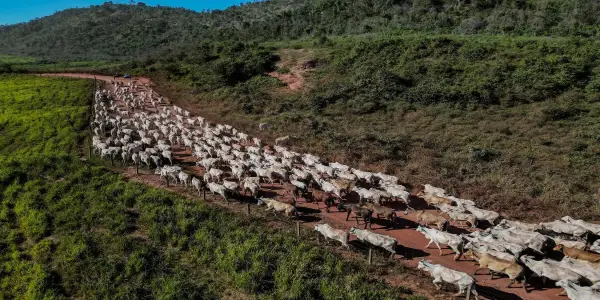
Deforestation-Free Beef: A Sustainable Approach...

Exploring Climate Change Through Sound: The Role...
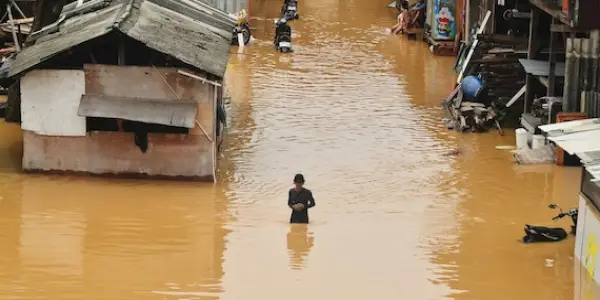
Trump's Environmental Policies Could Lead to 1.3...

AI Unveils Hidden Lion Roar, Revolutionizing...
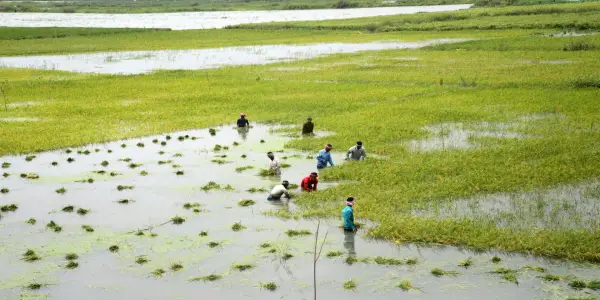
Global Rice Yields Plummet Due to Extreme...

Tehran on the Brink: Water Crisis Highlights...

Bill Gates's Climate Remarks Spark Controversy...
Residential ZIP Codes Linked to Increased...

New Lancet Report Reveals Alarming Impact of...

Guide to Setting Up and Customizing Gemini Raise...

The Impact of US Withdrawal on Global Climate...

The Crucible: A Test of Nerves in Snooker's Most...

Puffins Make Historic Return to Isle of Muck...
New Mapping of Antarctica's Subglacial Landscape...
The Resilient Desert Flora Thrives in Extreme...

Ancient Tools Illuminate Early Human Innovation...

Study Reveals Airborne Microplastics May...
Reevaluating the Polar Bear Narrative Amid...

KDE Plans to Phase Out X11 Support in Upcoming...
Dezeen Jobs Launches Initiative to Celebrate...
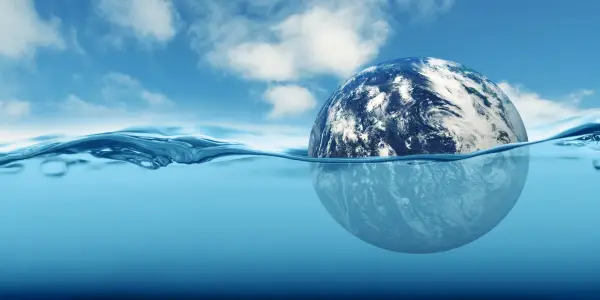
New Report Highlights Risks of Marine Carbon...

Revolutionizing Camping: Solar-Powered Tent...

Golden Hare from Iconic Treasure Hunt Fetches...

South Africa's G20 Agenda: Addressing Debt,...

Exploring the Depths of Human Connection: Ursula...
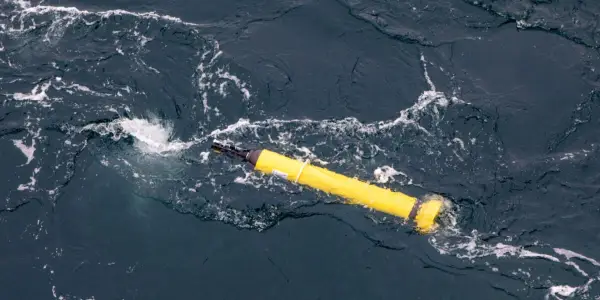
Antarctic Robot Explorer Surfaces After Eight...

Key Insights on the Future of Electricity Demand...
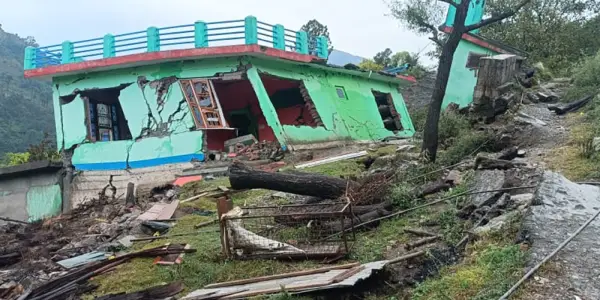
India's Climate Adaptation Fund Faces Budget Cuts...

Decline in Indian Passport Ranking Despite...
Doom's Programming Error Sparks Renewed Interest...

Emerging Ocean Hotspots Heighten Risk of...

Heat Flow on Saturn’s Moon Enceladus Suggests...

Fisher Makes Historic Return to Ohio Forests...
Breakthrough Research Unveils Thermal Convection...

Emerging Superfoods from the Amazon: Beyond Açaí
Palantir's CEO Alex Karp Defends Company’s...

Pipeline Dispute Challenges Canada's Energy...
Global Climate Action in the Absence of the US: A...
Unprecedented Strength of Hurricane Melissa Marks...