Threatened Monkey Face ‘Dracula’ Orchids Face Extinction Risk
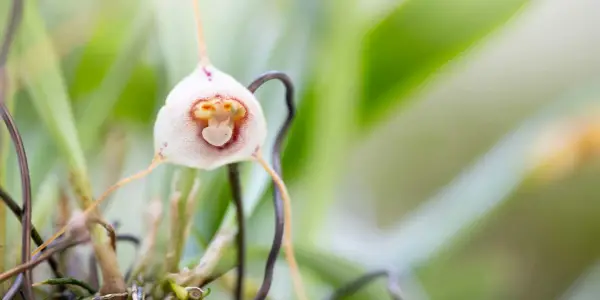
Monkey face orchids, known for their unique appearance, face extinction as 70% are threatened by habitat loss. Urgent conservation efforts are needed now.
In-depth analysis
Current environmental changes
The monkey face orchids are experiencing significant environmental changes, primarily due to habitat loss in the Andean cloud forests of Colombia and Ecuador. These ecosystems, once abundant with cool and misty conditions, are now threatened by agricultural expansion, cattle ranching, and infrastructure development, leading to a drastic decline in suitable microhabitats for these unique plants.
Impact on society
The decline of monkey face orchids affects local communities reliant on biodiversity for their livelihoods. As these orchids become increasingly endangered, the loss of ecological balance can disrupt tourism and agricultural practices that depend on healthy ecosystems.
Policy implications
The endangered status of monkey face orchids necessitates urgent policy interventions to protect their habitats. Implementing sustainable agricultural practices and promoting ecotourism can help mitigate human impact, while conservation policies must prioritize the preservation of these unique ecosystems to ensure the orchids' survival.
Future outlook
The future of monkey face orchids hinges on effective conservation strategies and community engagement. If current threats are addressed through sustainable practices and increased awareness, there is potential for these remarkable orchids to recover and thrive in their native habitats.
Did you know?
Why this concerns all of us
The plight of monkey face orchids reflects a broader environmental crisis that impacts everyone. As these unique flowers disappear, we lose not only biodiversity but also the ecological services they provide, such as stabilizing soil and regulating water cycles. The decline of such species can alter local climates and affect agriculture, which underscores the interconnectedness of our ecosystems and the importance of sustainable living.
Nature's hidden secret
Monkey face orchids are not just visually striking; they have a fascinating reproductive strategy. These orchids attract specific pollinators, primarily male euglossine bees, which are drawn to their unique scent. Interestingly, the scent mimics the pheromones of female bees, tricking the males into visiting the flowers, thereby ensuring pollination. This complex relationship highlights the intricate connections within ecosystems.
The person whose life climate changed
Meet Sofia Marquez, a 34-year-old farmer in rural Colombia. For years, Sofia cultivated coffee in the Andean cloud forests, unknowingly coexisting with the endangered monkey face orchids. When she learned about their endangered status, she felt a deep connection to the land and its hidden treasures. Inspired, Sofia joined local conservation efforts, shifting her farming practices to protect the orchids and their habitat. This change not only helped preserve a unique species but also transformed Sofia’s relationship with her environment, fostering a sense of community pride and responsibility. Now, she leads workshops on sustainable agriculture, showing others how to balance farming with conservation, proving that individual actions can lead to profound ecological change.
Expert Commentary

Grand Egyptian Museum Unveiled as Torre dei Conti...

Dezeen Jobs Launches Initiative to Celebrate...

Emerging Superfoods from the Amazon: Beyond Açaí

Foldable Phones on the Rise: 2026 Expected to...

AI's Water Consumption May Soon Match That of 10...

Lab Gloves May Complicate Microplastics Research,...

Revival of Wild Turkeys: A Conservation Triumph...

KDE Plans to Phase Out X11 Support in Upcoming...

Reevaluating the Polar Bear Narrative Amid...

Study Reveals Airborne Microplastics May...

Perrier-Jouët and Design Miami Launch Inaugural...

Global Climate Action in the Absence of the US: A...

Unexpected Shift in North Pacific Storm Track...

Guide to Setting Up and Customizing Gemini Raise...

New Lancet Report Reveals Alarming Impact of...

Residential ZIP Codes Linked to Increased...

Council of Europe Chief Signals Openness to...

Revolutionizing Ocean Research: Robotic Floats...

Sex Workers Launch 'Anti-OnlyFans' Platform to...

India's Climate Adaptation Fund Faces Budget Cuts...

Golden Hare from Iconic Treasure Hunt Fetches...

Tragic Cargo Plane Crash in Kentucky Claims Lives...

Hurricane Melissa Marks a Historic Category 5...

Heat Flow on Saturn’s Moon Enceladus Suggests...

Trump's Environmental Policies Could Lead to 1.3...

Impact of Global Warming on Reptile Sex Ratios...

Chronic Diseases in Animals Mirror Human Health...

Palantir's CEO Alex Karp Defends Company’s...

Tehran on the Brink: Water Crisis Highlights...

Fisher Makes Historic Return to Ohio Forests...


Emerging Ocean Hotspots Heighten Risk of...

Comprehensive 3D Map Showcases Every Building on...

The Rapid Intensification of Hurricane Melissa...

Antarctic Robot Explorer Surfaces After Eight...

Accelerating Climate Impacts Could Lead to...

Hurricanes and Droughts: A Dangerous Connection...

Lawsuit Alleges Tesla Wrongfully Terminated Deaf...

Projected Plastic Waste to Exceed 280 Million...

Decline in Indian Passport Ranking Despite...