Nexperia Chip Crisis Disrupts Global Supply Chains Once More

Geopolitical tensions surrounding Nexperia's chip production in China are reigniting supply chain issues for the automotive industry, forcing major automaker...
In-depth analysis
Current environmental changes
The automotive industry is grappling with significant disruptions stemming from geopolitical tensions, particularly surrounding semiconductor manufacturing. The crisis has intensified due to the Dutch government's intervention in Nexperia's operations in China, leading to a halt in exports and creating a ripple effect across global supply chains.
Impact on society
The semiconductor shortage is prompting major automakers to scale back production, which could lead to job losses and reduced availability of vehicles, ultimately affecting consumers and the economy.
Policy implications
The geopolitical standoff highlights the need for policymakers to reassess regulations surrounding technology transfers and foreign investments. Additionally, fostering domestic semiconductor production may become a priority to enhance supply chain resilience.
Future outlook
As the situation evolves, industry stakeholders are likely to prioritize diversification of supply chains. This shift aims to mitigate risks linked to geopolitical uncertainties, ensuring a more stable supply of critical automotive components.
Did you know?
Why this concerns all of us
The automotive supply chain is intertwined with our daily lives, affecting everything from the cars we drive to the safety features they offer. As major manufacturers like Nissan and Honda reduce production due to semiconductor shortages, consumers may face higher prices, fewer options, and delays in vehicle availability. This situation highlights how global politics can disrupt local economies, impacting our mobility and wallets.
Nature's hidden secret
Did you know that the production of a single car can require over 1,000 semiconductor chips? These essential components manage everything from engine performance to safety features, making them as critical as the vehicle’s mechanical parts. A shortage can halt assembly lines, illustrating just how reliant the automotive industry is on these tiny, yet vital, technologies.
The person whose life climate changed
Meet Sarah Tran, a 34-year-old automotive engineer in Detroit. For years, Sarah has been passionate about creating safer, more efficient vehicles. But since the chip shortage escalated due to the Nexperia crisis, her job has become increasingly uncertain. With production cuts, projects are stalled, and her team faces layoffs. Sarah feels the weight of these geopolitical tensions, as her dream of contributing to innovative automotive technology hangs in the balance. This crisis has not only impacted her career but has also made her more aware of how global events can ripple through the local economy, affecting job security and industry advancement.

New Mapping of Antarctica's Subglacial Landscape...

UK Prepares for Cold Snap with Snow Forecasts...

Puffins Make Historic Return to Isle of Muck...

Decline in Indian Passport Ranking Despite...

Reevaluating the Polar Bear Narrative Amid...

Perrier-Jouët and Design Miami Launch Inaugural...

Chronic Diseases in Animals Mirror Human Health...

AI Unveils Hidden Lion Roar, Revolutionizing...

Exploring the Depths of Human Connection: Ursula...

Study Reveals Airborne Microplastics May...

India's Climate Adaptation Fund Faces Budget Cuts...

Emerging Ocean Hotspots Heighten Risk of...

Advocating for Forest Sovereignty: A Call for...

AI's Water Consumption May Soon Match That of 10...

Rerouted Shipping Offers Unique Insights into...

Hurricane Melissa Marks a Historic Category 5...

Key Outcomes from COP30: Innovations in...

Revival of Wild Turkeys: A Conservation Triumph...

Pipeline Dispute Challenges Canada's Energy...

Ancient Tools Illuminate Early Human Innovation...

Key Insights on the Future of Electricity Demand...

Introducing the Clamshell Writer Deck: A Focused...

Top Five Books Exploring the Intersection of...

The Deadly Impact of Plastic Ingestion on Marine...

Revolutionizing Camping: Solar-Powered Tent...

Navigating Climate Distress Amid Brain Injury...

Teachers' Unions Take a Stand Against Climate...

Council of Europe Chief Signals Openness to...

Breakthrough Research Unveils Thermal Convection...

New Report Highlights Risks of Marine Carbon...

Fisher Makes Historic Return to Ohio Forests...
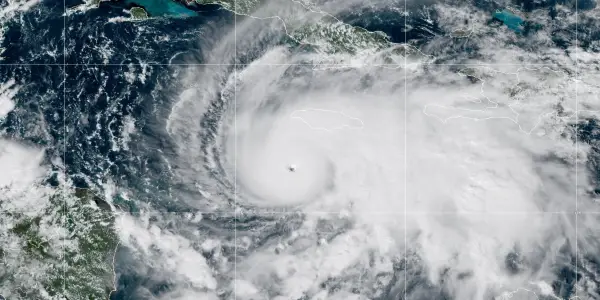
The Rapid Intensification of Hurricane Melissa...

Tehran on the Brink: Water Crisis Highlights...

UN Treaty for High Seas Conservation Now Effective

Golden Hare from Iconic Treasure Hunt Fetches...

Experts Caution Against Solar Geoengineering:...

Bill Gates's Climate Remarks Spark Controversy...

Understanding the Urgency of Climate Change: Key...

Spring Studio Integrates Biomaterials for...

Research Uncovers Factors Behind Weight Gain...