Philip Pullman Urges Government Action on AI Training Practices Affecting Authors

The acclaimed author of His Dark Materials and The Book of Dust advocates for changes in copyright laws to protect writers from unauthorized use of their work.
In-depth analysis
Current environmental changes
The landscape of literary creation is undergoing significant transformation due to the rise of AI technologies. As these systems increasingly utilize existing literary works for training purposes, authors face unprecedented challenges regarding copyright protection and the ethical use of their creations, prompting urgent calls for legislative reform.
Impact on society
The unauthorized use of literary works by AI systems threatens the livelihoods of authors, potentially stifling creativity and innovation within the literary community, which could ultimately diminish cultural diversity and expression.
Policy implications
The current copyright framework is under scrutiny as it inadequately addresses the complexities introduced by AI. Policymakers are urged to reassess legal protections for creators to ensure that authors receive fair compensation and recognition for their contributions in the evolving digital landscape.
Future outlook
As discussions around AI and copyright continue, the future of literary creation may hinge on the establishment of clearer regulations that protect authors. This could foster a more equitable environment for creativity, ensuring that both technology and artistry can coexist harmoniously.
Did you know?
Why this concerns all of us
The debate over AI and copyright impacts every reader and writer. When authors like Philip Pullman lack protection for their work, it affects the diversity of stories available to us. If creators can’t earn a living, fewer original narratives will emerge, limiting our cultural landscape. Every time we engage with literature, we rely on a system that respects and rewards creativity.
Nature's hidden secret
Did you know that the world of copyright law was shaped over 300 years ago? The Statute of Anne, enacted in 1710, was the first law to recognize the rights of authors over their works, laying the groundwork for modern copyright debates, especially as technology evolves and new challenges arise.
The person whose life climate changed
Meet Sarah Thompson, a budding novelist from Manchester whose dreams were crushed when her manuscript was used without consent by an AI program. After years of hard work, she watched as her unique voice was diluted in the digital ether. Frustrated and disillusioned, Sarah now advocates for authors' rights, participating in community forums and reaching out to lawmakers. Her experience highlights the crucial need for a legal framework that respects creative ownership, ensuring that every author can thrive without fear of exploitation. Sarah believes that the stories we tell shape our culture, and without protection, the next generation of writers might never find their voice.
Expert Commentary
Key Outcomes from COP30: Innovations in...
India's Climate Adaptation Fund Faces Budget Cuts...
Marvel Gears Up for a Major Avengers Event:...
The Deadly Impact of Plastic Ingestion on Marine...
Emerging Ocean Hotspots Heighten Risk of...
Exploring the Depths of Human Connection: Ursula...
U.S. Fish and Wildlife Service's Plan to Cull...

OnePlus 15R Poised to Redefine Battery Life...

Spring Studio Integrates Biomaterials for...

Foldable Phones on the Rise: 2026 Expected to...
Revival of Wild Turkeys: A Conservation Triumph...
Scientists Warn Earth Has Reached Critical...

Tehran on the Brink: Water Crisis Highlights...
Hurricanes and Droughts: A Dangerous Connection...

Chronic Diseases in Animals Mirror Human Health...
Unprecedented Strength of Hurricane Melissa Marks...

Teachers' Unions Take a Stand Against Climate...

Tragic Cargo Plane Crash in Kentucky Claims Lives...

Ancient Tools Illuminate Early Human Innovation...
New Mapping of Antarctica's Subglacial Landscape...
Palantir's CEO Alex Karp Defends Company’s...

KDE Plans to Phase Out X11 Support in Upcoming...
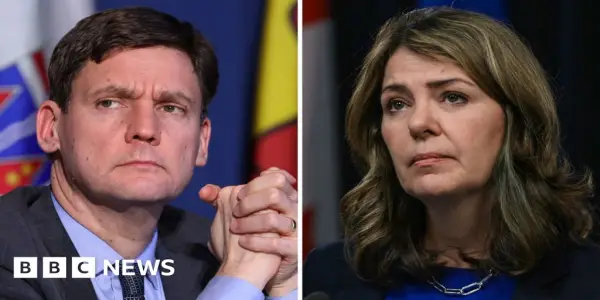
Pipeline Dispute Challenges Canada's Energy...
Japanese Trade Group, Including Studio Ghibli,...

Perrier-Jouët and Design Miami Launch Inaugural...
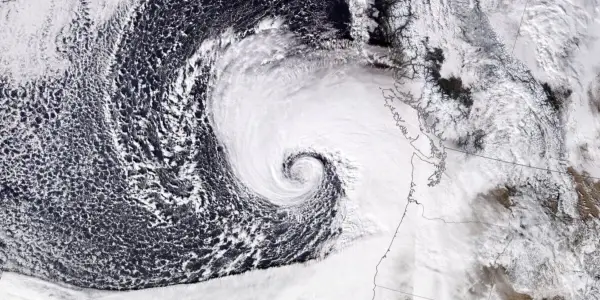
Unexpected Shift in North Pacific Storm Track...

Study Reveals Airborne Microplastics May...

Lab Gloves May Complicate Microplastics Research,...

Rerouted Shipping Offers Unique Insights into...
The Rapid Intensification of Hurricane Melissa...
Bill Gates's Climate Remarks Spark Controversy...

£9 Billion Government Initiative to Revamp...

Guide to Setting Up and Customizing Gemini Raise...

AI Unveils Hidden Lion Roar, Revolutionizing...

Global Climate Action in the Absence of the US: A...
UN Treaty for High Seas Conservation Now Effective

Heat Flow on Saturn’s Moon Enceladus Suggests...

Zaha Hadid Architects' Yidan Center Reaches...
Grand Egyptian Museum Unveiled as Torre dei Conti...
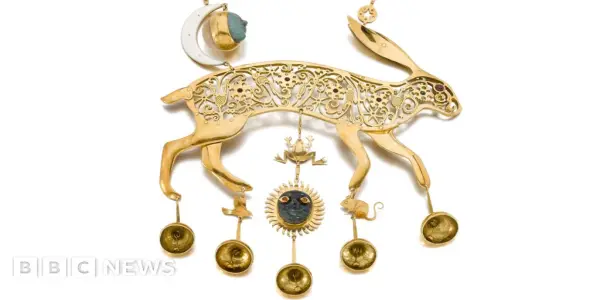
Golden Hare from Iconic Treasure Hunt Fetches...