Rediscovery of Giant Rat in Papua Mountains Marks Significant Scientific Milestone
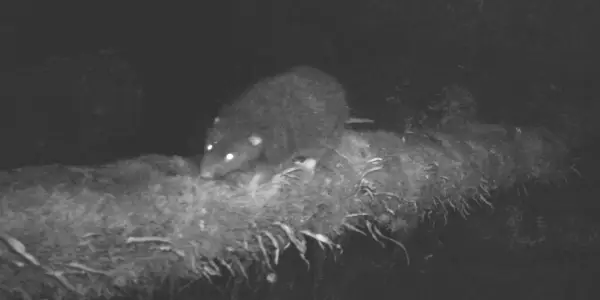
A Czech researcher has successfully documented the elusive Subalpine Woolly Rat, Mallomys istapantap, in its natural habitat for the first time in 30 years, shedding light on the biodiversity of New Guinea's highlands.
In-depth analysis
Current environmental changes
Rapid environmental changes in Papua New Guinea are impacting biodiversity, particularly in high-altitude ecosystems. The Subalpine Woolly Rat, previously unseen for decades, highlights the urgency of documenting species as their habitats face increasing threats from climate change and deforestation, which disrupt delicate ecological balances.
Impact on society
The discovery of the Subalpine Woolly Rat fosters greater awareness of biodiversity among local communities. It emphasizes the importance of indigenous knowledge in wildlife research, encouraging collaboration that can enhance conservation efforts and protect natural heritage.
Policy implications
The findings from this expedition underscore the need for policies that prioritize biodiversity conservation in Papua New Guinea. Effective environmental management strategies must incorporate local knowledge and address the threats posed by climate change to safeguard unique ecosystems and their inhabitants.
Future outlook
The future of the Subalpine Woolly Rat and similar species hinges on continued research and conservation efforts. Ongoing collaboration with indigenous communities will be essential in ensuring that these unique ecosystems are preserved for future generations.
Did you know?
Why this concerns all of us
The discovery of the Subalpine Woolly Rat highlights the urgent need to protect biodiversity, not just in Papua New Guinea but globally. As ecosystems face unprecedented threats from climate change and habitat destruction, each species lost can disrupt food webs and ecological balance. This rat, a symbol of untapped biological wealth, reminds us that our own survival is intertwined with the health of these ecosystems, affecting food security, medicine, and climate resilience.
Nature's hidden secret
The Subalpine Woolly Rat has evolved in isolation for over five million years, developing unique traits in an environment free from competing placental mammals. This evolutionary history makes it a living testament to the incredible adaptability of life in extreme conditions, revealing insights about resilience in changing climates.
The person whose life climate changed
Meet Šek Vejmělka, a young Czech doctoral student whose six-month expedition to Papua New Guinea transformed his understanding of wildlife conservation. Growing up in a small town, Šek was always fascinated by nature, often exploring local forests. His journey to document the Subalpine Woolly Rat was more than a research project; it became a mission to bridge science and indigenous knowledge. Collaborating with local tribes, he learned about the delicate balance of their ecosystem and the looming threats it faces. This experience ignited a passion for advocacy within him. Now, Šek aims to share his findings globally, ensuring that the stories of both the Woolly Rat and the indigenous communities are heard and valued, emphasizing that every species has a role in the tapestry of life.
Expert Commentary

Advocating for Forest Sovereignty: A Call for...

Scientists Warn Earth Has Reached Critical...
Hurricanes and Droughts: A Dangerous Connection...

Exploring the Depths of Human Connection: Ursula...

The Consensus Model at UN Climate Talks: An...

Antarctic Robot Explorer Surfaces After Eight...

Experts Caution Against Solar Geoengineering:...

Lawsuit Alleges Tesla Wrongfully Terminated Deaf...
Comprehensive 3D Map Showcases Every Building on...

South Africa's G20 Agenda: Addressing Debt,...

Hurricane Melissa's Death Toll Reaches 28 in...

New Lancet Report Reveals Alarming Impact of...
The Overlooked Link Between Climate Change and...

Study Reveals Airborne Microplastics May...

Hurricane Melissa Marks a Historic Category 5...

Massive Leak Exposes 183 Million Email Passwords:...

New Report Highlights Risks of Marine Carbon...
Key Insights Ahead of COP30 Summit in Brazil: A...

Research Uncovers Factors Behind Weight Gain...

Tehran on the Brink: Water Crisis Highlights...

Bill Gates's Climate Remarks Spark Controversy...

Introducing the Clamshell Writer Deck: A Focused...

Chronic Diseases in Animals Mirror Human Health...
The Resilient Desert Flora Thrives in Extreme...
India's Climate Adaptation Fund Faces Budget Cuts...

Breakthrough Research Unveils Thermal Convection...

New Mapping of Antarctica's Subglacial Landscape...

Top Five Books Exploring the Intersection of...

Foldable Phones on the Rise: 2026 Expected to...

Unprecedented Strength of Hurricane Melissa Marks...
Deforestation-Free Beef: A Sustainable Approach...

Meta Enhances Smart Glasses with Garmin and...
Reevaluating the Polar Bear Narrative Amid...
Revival of Wild Turkeys: A Conservation Triumph...

Pacific Nations Set Ambitious Goal for 100%...

Palantir's CEO Alex Karp Defends Company’s...

Exploring Climate Change Through Sound: The Role...

Residential ZIP Codes Linked to Increased...

OpenAI Introduces 'Group Chats' Feature in...