UN Advocates for Global Disaster Alert Systems Amid Rising Extreme Weather Events
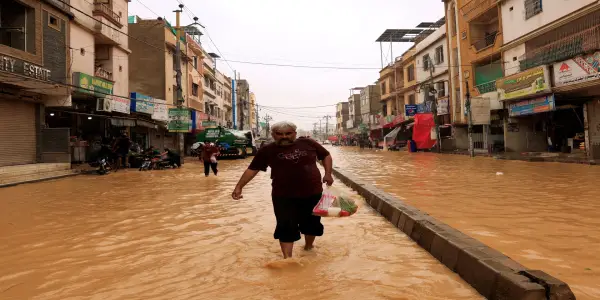
The UN's World Meteorological Organization highlights the urgent need for early-warning systems as climate-related disasters have claimed over 2 million lives in the past 50 years.
In-depth analysis
Current environmental changes
The United Nations' World Meteorological Organization (WMO) report reveals a troubling trend: nearly half of the world's countries lack effective early-warning systems for extreme weather. This deficiency is exacerbated by climate change, which is increasing the frequency and severity of climate-related disasters, leaving millions vulnerable to their impacts.
Impact on society
The absence of early-warning systems disproportionately affects developing nations, where disaster-related fatalities are six times higher. Limited resources hinder these countries' ability to respond effectively to catastrophic weather events, threatening lives and critical infrastructure.
Policy implications
The findings of the WMO highlight the urgent need for international cooperation to bolster early-warning systems, particularly in vulnerable regions. Policymakers must prioritize investment in technology and resources to enhance disaster preparedness, ensuring that at-risk populations are better protected from climate-related threats.
Future outlook
While progress has been made in establishing multi-hazard early warning systems, significant gaps remain. Continued efforts are essential to develop comprehensive monitoring networks, enabling timely alerts that can mitigate the devastating impacts of climate change on vulnerable communities.
Did you know?
Why this concerns all of us
The absence of effective early-warning systems for extreme weather is a global issue that impacts everyone. When countries lack the means to predict disasters, the ripple effects reach far beyond borders, affecting international supply chains, increasing refugee crises, and straining resources in developed nations. As climate change intensifies weather events, the need for robust monitoring becomes a shared responsibility, emphasizing that preparedness is not just a local concern but a collective imperative.
Nature's hidden secret
Did you know that the majority of countries with early-warning systems still rely on basic capabilities? A report reveals that while nearly half of the nations lack sufficient systems, those that do often only have the most rudimentary tools. This gap leaves millions vulnerable to extreme weather, despite advancements in technology and forecasting.
The person whose life climate changed
Maria Chen, a 34-year-old farmer in rural Pakistan, faced devastating losses when severe flooding destroyed her crops last year. With no early warning, she had just two days to react, scrambling to save her livestock and belongings. This year, however, Maria received alerts through a newly implemented local warning system. Grateful for the timely information, she managed to evacuate her family and safeguard her farm, illustrating how early warnings can transform lives. Maria's story highlights the critical intersection of technology and community resilience, demonstrating that when people are empowered with knowledge, they can adapt to the escalating threats posed by climate change.
Expert Commentary
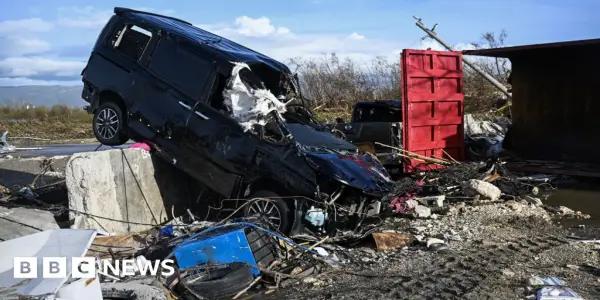
Hurricane Melissa's Death Toll Reaches 28 in...
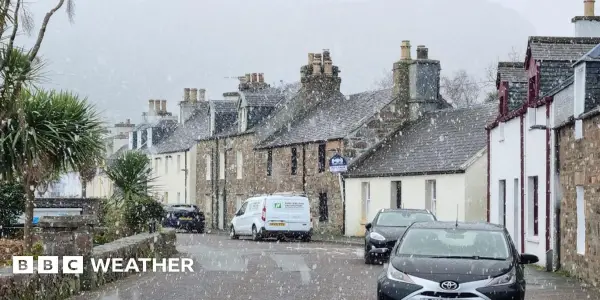
UK Prepares for Cold Snap with Snow Forecasts...

The Crucible: A Test of Nerves in Snooker's Most...

Impact of Global Warming on Reptile Sex Ratios...

Foldable Phones on the Rise: 2026 Expected to...
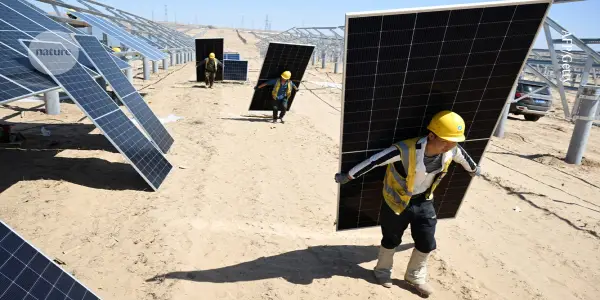
Global Climate Action in the Absence of the US: A...
Experts Caution Against Solar Geoengineering:...

Doom's Programming Error Sparks Renewed Interest...

Guide to Setting Up and Customizing Gemini Raise...

OpenAI Introduces 'Group Chats' Feature in...

Grand Egyptian Museum Unveiled as Torre dei Conti...

Emerging Superfoods from the Amazon: Beyond Açaí
Unprecedented Strength of Hurricane Melissa Marks...

Bill Gates's Climate Remarks Spark Controversy...

Breakthrough Research Unveils Thermal Convection...

Urgent Action Needed as Scientists Warn of...
Emerging Ocean Hotspots Heighten Risk of...
UN Treaty for High Seas Conservation Now Effective
Lawsuit Alleges Tesla Wrongfully Terminated Deaf...
Recent Study Indicates Accelerated Pace of Global...

Spring Studio Integrates Biomaterials for...
New Lancet Report Reveals Alarming Impact of...

AI's Water Consumption May Soon Match That of 10...

Chronic Diseases in Animals Mirror Human Health...
Deforestation-Free Beef: A Sustainable Approach...

Palantir's CEO Alex Karp Defends Company’s...

The Consensus Model at UN Climate Talks: An...
Revisiting India's Air Quality Standards Amid...
Residential ZIP Codes Linked to Increased...

Advocating for Forest Sovereignty: A Call for...
The Resilient Desert Flora Thrives in Extreme...

Marvel Gears Up for a Major Avengers Event:...

Dezeen Jobs Launches Initiative to Celebrate...

The Emerging Debate on Geoengineering: A Call for...
Scientists Warn Earth Has Reached Critical...

Pacific Nations Set Ambitious Goal for 100%...

New Report Highlights Risks of Marine Carbon...

Teachers' Unions Take a Stand Against Climate...

U.S. Fish and Wildlife Service's Plan to Cull...

Meta Enhances Smart Glasses with Garmin and...